
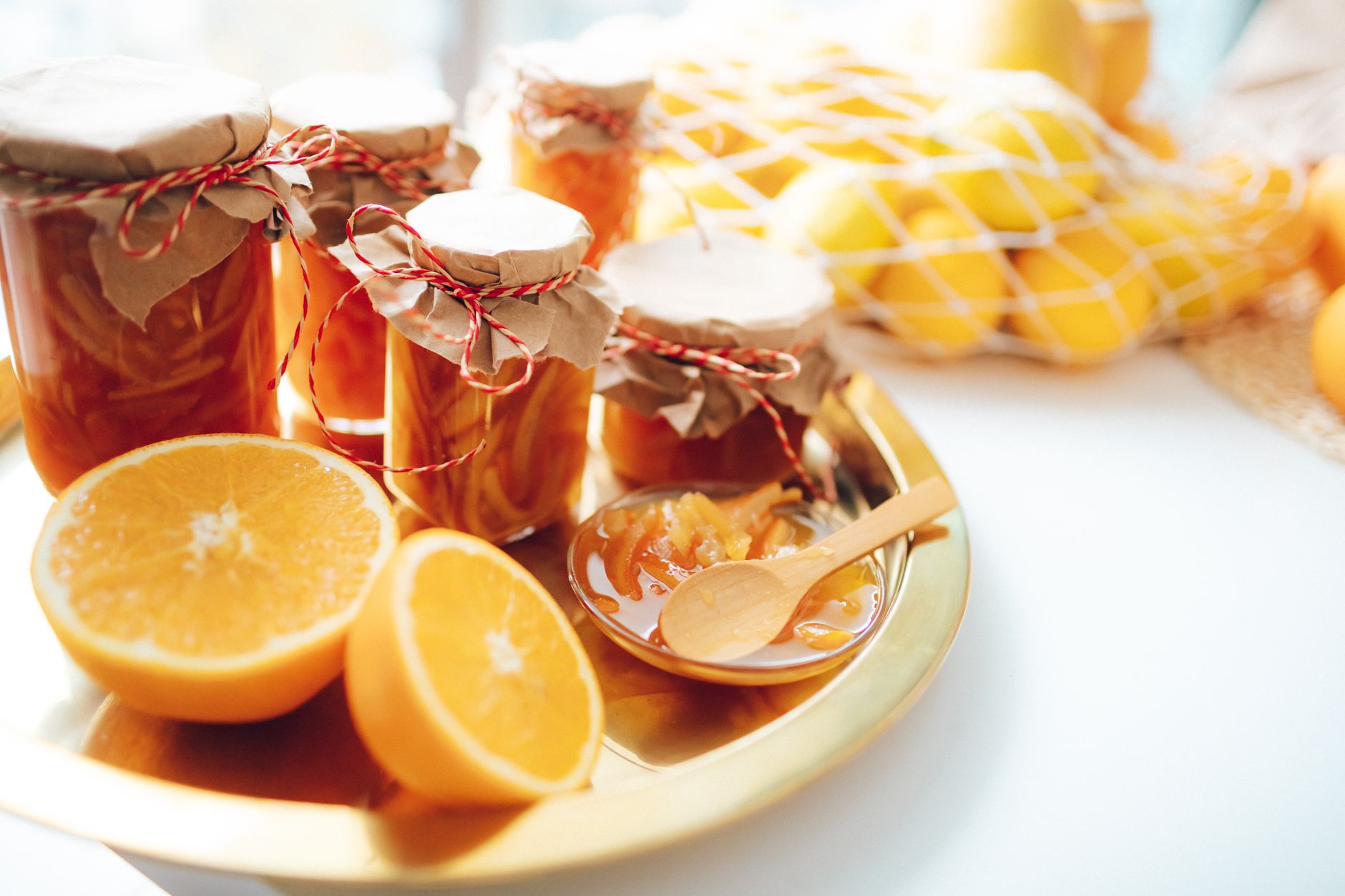
Jam is a beloved fruit spread commonly used in various cuisines around the world. It can add a burst of flavor to breakfast items like toast, pastries, and pancakes. Made by cooking fruit with sugar and sometimes pectin, jam has a sweet and rich taste with a thick, spreadable consistency.
In this article, we will explore what jam is, its ingredients, flavor profile, and various serving suggestions. Whether you’re a longtime jam enthusiast or someone looking to dive into the world of homemade preserves, understanding jam will enhance your culinary experiences.
What Is Jam?
Jam is a type of fruit preserve made by cooking fruit and sugar together, resulting in a thick spread with a sweet and concentrated flavor. The primary difference between jam and other fruit spreads, such as jelly or marmalade, lies in the fruit content and texture. In jam, crushed or chopped fruit is cooked to create a thick consistency, while jelly is made from fruit juice and lacks the fruit bits.
Ingredients Used in Jam
The basic ingredients used in making jam are quite simple and typically include:
- Fruit: Fresh or frozen fruit can be used, including berries, stone fruits, citrus, and more.
- Sugar: Granulated sugar is the most commonly used sweetener. However, alternatives like honey or agave may also be used in specific recipes.
- Pectin: A natural thickening agent derived from fruit that helps in gel formation. Depending on the fruit used, additional pectin may be needed.
- Lemon Juice: Often added for acidity, lemon juice can enhance flavor and help in setting the jam by activating pectin.
- Spices and Flavorings: Ingredients like vanilla, cinnamon, or ginger can add complexity and depth to the jam’s flavor.
Flavor Profile of Jam
The flavor of jam is largely influenced by the type of fruit used. Fresh, ripe fruit yields the best flavor, while overripe or under-ripe fruit can result in a less desirable taste. Here’s a look at a few common fruits and their flavor characteristics when made into jam:
- Strawberry: Sweet and slightly tart, strawberry jam is a classic flavor enjoyed by many.
- Blueberry: This jam is often sweeter, with a subtle tartness, making it a favorite for breakfast dishes.
- Raspberry: Tart and aromatic, raspberry jam usually has a balance of sweetness and tanginess.
- Peach: Sweet and fragrant, peach jam delivers a wonderful aroma and flavor, perfect for summer spreads.
- Citrus: Orange or lemon jam brings bright, zesty flavors that can be deliciously refreshing when paired with other foods.
How to Make Jam
Making jam at home can be a rewarding experience. Here’s a step-by-step guide on how to prepare fruit jam:
Essential Equipment
- Large saucepan or stockpot
- Wooden spoon or heat-resistant spatula
- Measuring cups and spoons
- Canning jars and lids
- Funnel (optional, but helpful for filling jars)
- Jar lifter or tongs (for transferring hot jars)
- Food thermometer (optional, but recommended for safety)
Ingredients
- 2 pounds of fresh fruit (e.g., strawberries, blueberries, peaches)
- 4 cups of granulated sugar
- 1/4 cup of lemon juice (freshly squeezed)
- 1 packet (or 1.75 oz) of pectin (if needed)
Step-by-Step Instructions
- Prepare the Fruit: Wash the fruit thoroughly. If using strawberries, hull them and chop into small pieces. For other fruits, ensure they are clean and cut into appropriate sizes.
- Cook the Fruit: In a large pot, combine the prepared fruit and lemon juice. Cook over medium heat for about 5-10 minutes, stirring occasionally until the fruit begins to break down.
- Add Sugar: Gradually add the sugar to the pot, stirring until it dissolves. Bring the mixture to a full rolling boil.
- Add Pectin: If using additional pectin, mix it with the fruit and sugar after reaching a boil. Follow the instructions on the pectin package for timing and methods, as these can vary.
- Test for Doneness: To determine if the jam is ready, place a spoonful on a cold plate and run your finger through it; if it holds its shape, it’s done. If not, continue to boil and test again every couple of minutes.
- Transfer to Jars: Once your jam has reached the desired consistency, remove it from heat. Use a funnel to pour it into sterilized jars, leaving about 1/4 inch of headspace at the top.
- Seal the Jars: Wipe the rims of the jars to remove any residue, then place the lids on securely. For long-term storage, process the jars in a boiling water bath for 10-15 minutes.
- Cool and Store: Allow the jars to cool completely at room temperature. Once cooled, store them in a cool, dark place. Refrigerate any opened jars.
Serving Suggestions for Jam
Jam can be used in numerous delightful ways. Here are some popular serving suggestions:
- On Toast: Spread jam on toast, bagels, or English muffins for a simple breakfast or snack.
- In Baking: Use jam as a filling in baked goods like cookies, cakes, or pastries.
- With Cheese: Pair jam with various cheeses for a sweet and savory cheese board.
- In Parfaits: Layer jam with yogurt and granola for a delicious and healthy parfait.
- As a Glaze: Brush over meats or vegetables before roasting for added flavor.
Common Mistakes When Making Jam
Here are some frequent mistakes to avoid when making jam:
- Using Overripe Fruit: Overripe fruit may produce a jam that is too mushy or flavorful. Aim for ripe, but not overly soft, fruit.
- Skipping the Sterilization: Not sterilizing jars properly before filling can lead to spoilage. Always ensure jars are sterilized.
- Overcooking: Cooking jam for too long can lead to a thick, unappealing texture. Keep an eye on the cooking time for the best results.
- Neglecting Testing: Forgetting to test for doneness can result in runny jam. Always conduct a simple plate test as described.
- Not Using Enough Sugar: Sugar is essential for both flavor and preservation. Avoid reducing the sugar too significantly without adjustments.
Storage Tips for Jam
Proper storage is crucial for maintaining the quality and safety of jam. Here are some key guidelines:
- Store unopened jars in a cool, dark place, such as a pantry or cupboard. They can last for up to a year when stored correctly.
- Once opened, refrigerate the jar, where it should be consumed within a few weeks, typically 2-3 weeks.
- If you notice any signs of spoilage, such as mold, off odors, or bubbling, discard the jam immediately.
- Avoid storing jam in plastic containers or non-food safe jars, as these could lead to contamination.
Variations of Jam
There are countless variations of jam you can experiment with. Here are a few options to inspire your creativity:
- Mixed Fruit Jam: Combine different fruits to create unique flavor profiles, such as strawberry-blueberry or peach-raspberry.
- Spiced Jam: Add spices like cinnamon or cloves for a warm, aromatic flavor.
- Savory Jam: Incorporate ingredients like herbs or vegetables for unexpected savory variations, such as tomato jam.
- Low-Sugar or Diet Jams: Use sugar substitutes or adjust recipes for lower sugar content, keeping in mind that this may affect set and flavor.
Advancements in Jam Making
Home jam making has evolved with new techniques and products available today. One notable advancement is the use of pressure canning, which improves food safety and flavor preservation. Additionally, store-bought pectin comes in various forms, allowing for more flexibility in recipes for those preferring not to use traditional gelling agents.
Modern trends also favor exploring low-sugar and sugar-free options, with many opting for natural fruit sweetness from ripe fruit or alternative sweeteners. These adaptations cater to health-conscious consumers while still providing delicious and flavorful spreads.
Conclusion
Jam is a delightful and versatile ingredient that can enhance many meals. It’s easy to make at home with just a few simple ingredients, and the possibilities for flavors and combinations are virtually endless. Whether slathered on toast, swirled into desserts, or enjoyed with cheese, jam brings a taste of freshness to the table.
For a seasonal twist, try making quince jam or pear jam. Explore different fruit jams to discover your favorites!
If you’re interested in more delicious options, check out our recipes for quince jam and pear jam for your next canning adventure!