
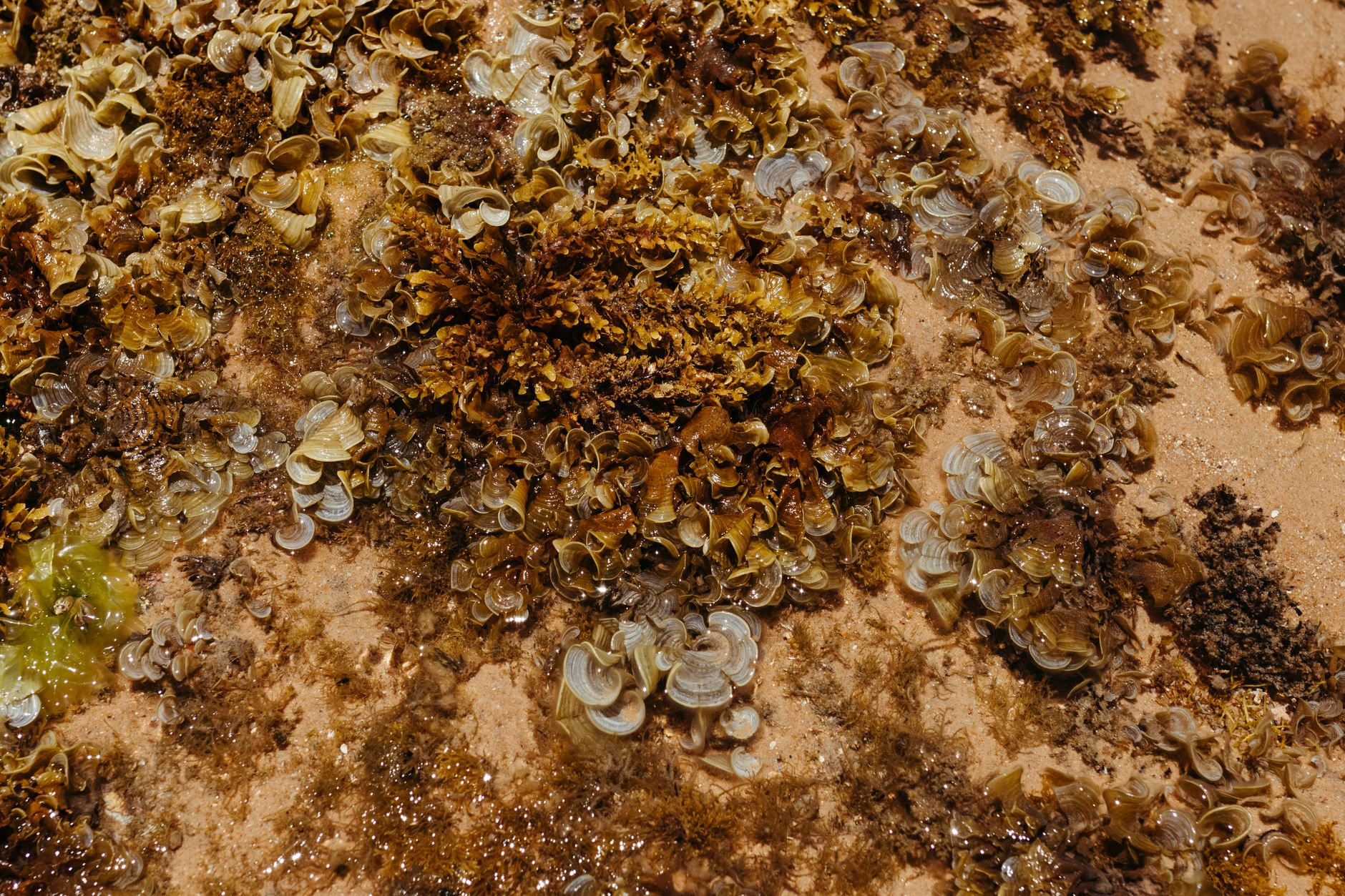
Irish moss, scientifically known as Chondrus crispus, is a type of red algae found along the Atlantic coasts of Europe and North America. Traditionally used in cooking and herbal medicine, it has gained popularity over the years due to its nutrient-rich profile and versatile culinary applications.
This article will explore the ingredients, flavor profile, nutritional benefits, and various ways to serve Irish moss, making it an essential addition to the home cook’s pantry.
What Is Irish Moss?
Irish moss is a seaweed that possesses a range of culinary uses and health benefits. It is praised for its thickening properties and creamy texture when prepared. This makes it a fantastic vegan alternative to gelatin and other thickeners.
Ingredients and Nutritional Profile of Irish Moss
Irish moss is primarily composed of water, carbohydrates, and essential nutrients. It contains the following components:
- Water: Approximately 80-90% of Irish moss is water, giving it a light, jelly-like texture.
- Carbohydrates: Rich in polysaccharides, particularly carrageenan, which is a natural thickening agent.
- Vitamins: Contains vitamin C, vitamin E, and several B vitamins, contributing to its nutritional value.
- Minerals: A good source of iodine, calcium, magnesium, potassium, and iron.
- Antioxidants: Offers anti-inflammatory and antioxidant properties, making it beneficial for overall health.
Flavor and Texture
Irish moss has a subtle briny flavor characteristic of sea vegetables, but when prepared correctly, it takes on the taste of the ingredients with which it is combined. The texture is gel-like and creamy, making it a useful thickener in recipes. Its mildness makes it versatile for both sweet and savory dishes.
How to Serve Irish Moss
Irish moss can be served in various ways, either as a main ingredient or as a thickener and stabilizer in other dishes. Below are some ideas on how to incorporate Irish moss into your cooking:
1. Irish Moss Gel
One of the primary ways to prepare Irish moss is to create a gel. This can be done as follows:
- Rinse: Thoroughly rinse the dried Irish moss in cool water to remove any debris and salt.
- Soak: Place the rinsed moss in a bowl of fresh water and let it soak for 12-24 hours. This will rehydrate the moss and soften it.
- Blend: Drain the soaked moss and add it to a blender with fresh water, using a 1:2 ratio of moss to water. Blend until smooth.
- Strain: Use a fine mesh strainer or cheesecloth to strain the mixture into a bowl or container, pressing to extract as much liquid as possible.
- Chill: Allow the gel to cool and firm up in the refrigerator. This gel can be stored in the refrigerator for up to two weeks.
2. Smoothies and Shakes
Irish moss gel can be added to smoothies for added creaminess and nutrition. Here’s a simple way to include it:
- In a blender, combine your favorite fruits, a cup of leafy greens, and 1-2 tablespoons of Irish moss gel.
- Add a liquid of your choice, such as almond milk or coconut water, and blend until smooth.
- Adjust sweetness if needed with honey, agave, or a pitted date.
- Serve immediately or store in the refrigerator for a quick breakfast or snack.
3. Desserts
Irish moss can also be utilized in desserts, particularly in vegan recipes. It’s perfect for creating creamy puddings and mousses. Consider the following method:
- Blend Irish moss gel with ingredients such as coconut milk, vanilla extract, and a sweetener of choice.
- Pour the mixture into serving vessels and refrigerate until set, usually around 2-3 hours.
- Top with fruit, nuts, or chocolate before serving.
4. Soups and Sauces
Irish moss can act as a thickening agent in soups and sauces. Here’s how to use it:
- Simply add the desired amount of Irish moss gel to your hot soup or sauce.
- Stir until well incorporated and allow to simmer for a few minutes to thicken.
- Taste and adjust seasonings as necessary.
5. Salad Dressings
In salad dressings, Irish moss can enhance texture and stability. A basic recipe includes:
- Blend Irish moss gel with olive oil, vinegar (or lemon juice), mustard, and herbs until smooth.
- Adjust seasoning with salt and pepper to taste.
- Pour over a fresh salad and toss before serving.
Substitutions and Variations
If you’re unable to find Irish moss, consider these alternatives, keeping in mind their distinct characteristics:
- Agar-Agar: A seaweed-derived gelatinous substance often used in vegan recipes. Use a 1:1 ratio when substituting in recipes requiring thickening.
- Gelatin: A traditional thickening agent derived from animal collagen. Note that this is not vegan; use in a 1:1 ratio for similar results.
- Chia Seeds: When mixed with liquids, chia seeds can create a gel-like consistency. Use 1 tablespoon of chia seeds for every 2 tablespoons of Irish moss gel required.
- Flaxseed Gel: Ground flaxseeds mixed with water can be used as a thickener. Use similarly to chia seeds.
Common Mistakes and Troubleshooting
Using Irish moss can be straightforward, but here are some common pitfalls to avoid:
- Not soaking long enough: Failing to soak Irish moss adequately can result in a gritty texture. Always allow for a minimum of 12 hours for the best results.
- Insufficient blending: A chunky mixture can lead to an unpleasant texture. Ensure a thorough blending process to achieve a smooth gel.
- Overheating: When incorporating Irish moss gel into hot dishes, avoid high temperatures that can break down its gelling ability.
- Using too much gel: Start with a small amount, as Irish moss can thicken quickly. It’s easier to add more than to fix an overly thick mixture.
Storage and Shelf Life
Irish moss gel should be stored in an airtight container in the refrigerator. It typically lasts for about two weeks. Make sure to check for any off odors or discoloration before using. Dried Irish moss can be stored in a cool, dry place and usually has a shelf life of up to one year when kept in proper conditions.
Health Benefits and Culinary Uses of Irish Moss
Irish moss has garnered attention not just for its culinary virtues but also for its potential health benefits. Here are a few noteworthy aspects:
- Iodine Source: Irish moss is a good source of iodine, which is essential for proper thyroid function.
- Digestive Health: The prebiotic fibers found in Irish moss can help promote gut health by supporting beneficial gut bacteria.
- Skin Health: Often used in skincare products, Irish moss can nourish and hydrate the skin due to its rich mineral content.
- Weight Management: Its rich fiber content can help you feel full, potentially assisting with weight management.
Conclusion
Irish moss is not only a versatile culinary ingredient but also a nutritional powerhouse. Whether used in smoothies, soups, desserts, or sauces, it offers a unique way to enhance your dishes while providing health benefits. Exploring new ingredients such as Irish moss opens up a plethora of possibilities in everyday cooking.
To further improve your culinary skills, explore how molasses can be made from or try a delicious chia pudding recipe with coconut milk for a delightful treat. Enjoy experimenting with Irish moss in your kitchen!