
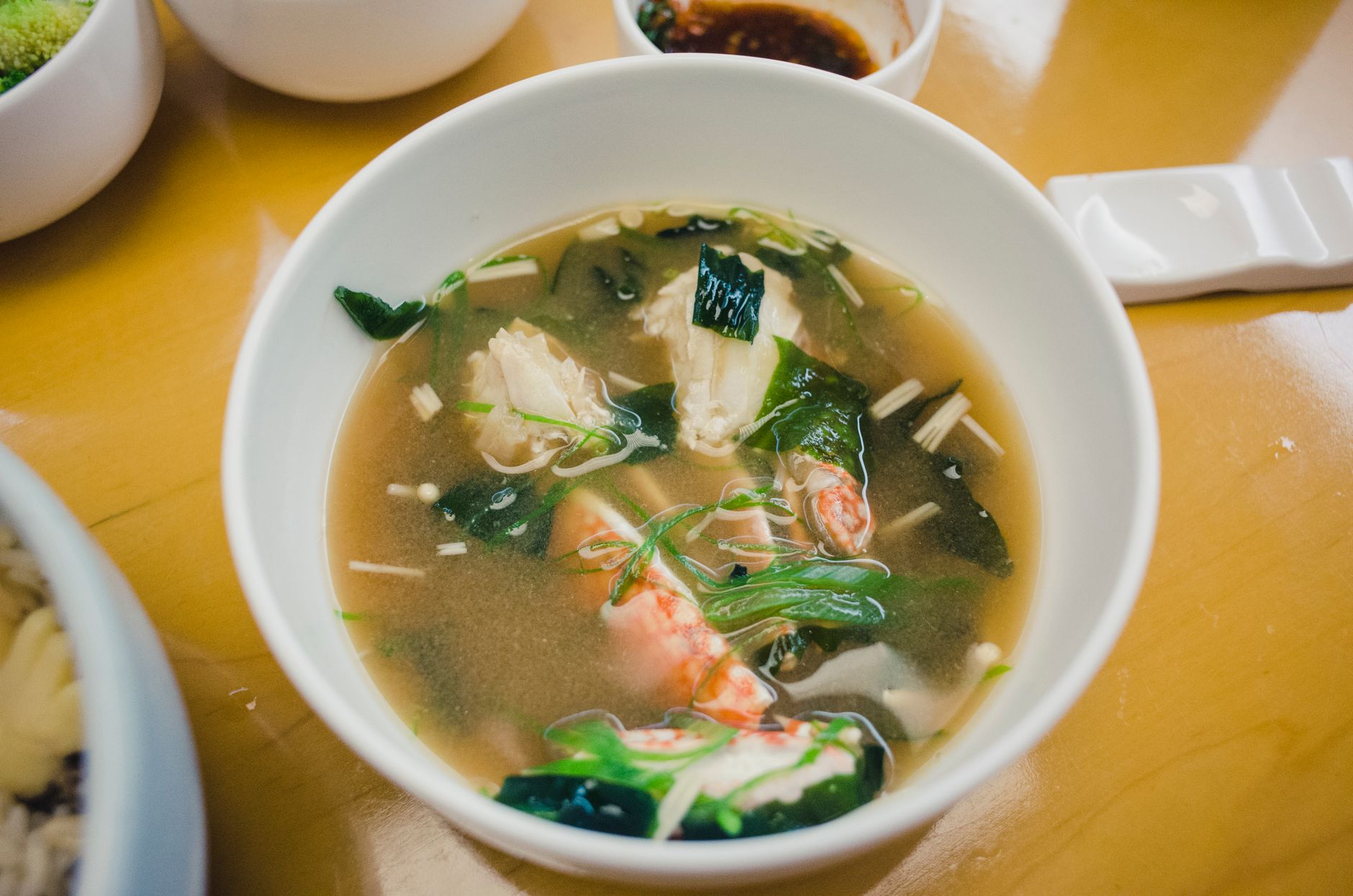
Miso is a traditional Japanese ingredient made from fermented soybeans, renowned for its umami flavor and versatility in cooking. It not only enriches dishes with depth but also offers potential health benefits thanks to its fermentation process. Understanding what is in miso, how it is made, its flavor profiles, and how to serve it can greatly enhance your culinary repertoire.
This article will explore the ingredients in miso, its various flavors, and practical tips on how to use it in the kitchen. Whether you’re incorporating it into soups, marinades, or dressings, mastering miso can elevate your meals.
What Is in Miso?
Miso is primarily made from three essential ingredients: soybeans, koji (a type of mold that ferments the soybeans), and salt. Depending on regional practices and intended flavors, various additional ingredients can also be included, contributing to miso’s diverse range of types. The fermentation process is essential for developing miso’s characteristic flavor, aroma, and texture.
Key Ingredients in Miso
Let’s look at the components of miso in detail:
- Soybeans: The primary ingredient, providing protein and a base for fermentation.
- Koji: A fungal culture, typically Aspergillus oryzae, that helps break down starches and sugars in the soybeans, initiating fermentation.
- Salt: Essential for controlling the fermentation process while enhancing flavor.
Depending on the type of miso, additional ingredients may include:
- Rice: Used in kome miso (rice miso) where rice is fermented along with soybeans.
- Barley: Included in mugi miso (barley miso), providing a different flavor profile.
- Other Grains: Some regional varieties might include oats or millet.
- Sugar: Sometimes added for sweetness, especially in certain types of miso and regional cuisines.
Fermentation Process of Miso
The fermentation process is vital to transforming soybeans into miso. Here’s how it works:
- Preparation of Soybeans: The soybeans are soaked in water and then cooked until tender.
- Creating Koji: Steamed rice (or barley) is inoculated with koji spores and incubated until it develops a white mold.
- Mixing: The cooked soybeans are mashed and mixed with the koji and salt.
- Fermentation: The mixture is packed tightly into fermentation vessels, where it ferments for a period ranging from several months to several years.
During fermentation, enzymes break down the proteins and carbohydrates in the soybeans, creating amino acids, organic acids, and sugars that contribute to miso’s rich flavor.
Types of Miso
Miso comes in several varieties, each with distinct flavors and culinary uses. The main types include:
- White Miso (Shiro Miso): Light-colored, slightly sweet miso made with a higher percentage of rice koji. It has a milder flavor and is often used in dressings and soups.
- Yellow Miso (Shinshu Miso): A balanced flavor that is moderately sweet and salty, making it versatile for soups, marinades, and glazes.
- Red Miso (Aka Miso): Darker and saltier, with a robust flavor resulting from a longer fermentation time. Ideal for heartier dishes and soups.
- Mixed Miso (Awase Miso): A combination of red and white miso, offering a complex flavor profile suitable for various recipes.
- Specialty Miso: Regional misos may include unique ingredients and flavors, such as barley or additional grains.
Flavor Profile of Miso
Miso’s flavor is multifaceted, combining the following attributes:
- Umami: The fifth basic taste, giving miso its savory depth.
- Salty: Miso typically has a notable saltiness, which enhances its other flavors.
- Sweetness: Particularly in white miso, a subtle sweetness can balance savory and salty notes.
- Earthy: The fermented soybeans provide a deep, rich quality that contributes to the overall complexity.
How to Use Miso in Cooking
Miso is highly versatile and can be used in numerous applications. Here are common ways to incorporate miso into your cooking:
Soups and Broths
Miso soup is perhaps the most famous dish made with miso. Here’s how to prepare it:
- Start with dashi (Japanese broth), either homemade or store-bought.
- Bring dashi to a simmer and add miso paste, whisking until dissolved.
- Add in ingredients such as tofu, seaweed, or vegetables, cooking them through.
Dressings and Marinades
Miso adds depth to salad dressings and marinade recipes. A simple miso dressing can be made by whisking together:
- 1 tablespoon miso
- 2 tablespoons rice vinegar
- 1 tablespoon sesame oil
- 1 teaspoon honey or maple syrup (optional)
This dressing pairs well with leafy greens and roasted vegetables.
Sauces and Glazes
Miso can serve as a base for glazes on meats and vegetables. Mixing miso with honey or mirin and a touch of soy sauce can create a delicious, sticky glaze for broiling or grilling.
Stir-Fries
Add miso to stir-fried vegetables and proteins for a burst of flavor. Dissolve miso in your stir-fry sauce or whisk it with water to create a smooth mixture before adding it to your dishes.
Common Mistakes When Using Miso
Miso is a robust ingredient, but there are some common pitfalls to avoid:
- Boiling Miso: Never boil miso, as high temperatures can destroy its flavor and nutrients. Always add it towards the end of cooking.
- Ignoring Salt: Since miso is already salty, reduce the amount of additional salt in your recipes when adding miso.
- Using the Wrong Type: Choosing the incorrect miso for a recipe can change the flavor dramatically. Be sure to select the type that complements your dish.
How to Store Miso
Storage is crucial to maintaining miso’s quality:
- Keep miso in an airtight container, ideally in the refrigerator.
- Always use a clean utensil to scoop out miso to prevent contamination.
- Miso can last for several months when stored properly, though it may darken over time, which is usually still suitable for use.
Dietary Considerations
Miso is primarily made from soybeans, making it unsuitable for those with soy allergies. It is generally considered vegan, though specific varieties may include fish-based dashi, so it’s vital to check the ingredients. Miso also contains a variety of beneficial bacteria through fermentation, which may offer digestive benefits.
Potential Health Benefits of Miso
There are claims about the health benefits of miso, including:
- Miso is a source of protein, vitamins (like B12), and minerals such as calcium and magnesium.
- Fermented foods like miso may support gut health due to their probiotic properties.
- Some studies suggest that moderate consumption of miso may contribute to lower rates of certain illnesses, though more research is needed for conclusive evidence.
Conclusion
Miso is a versatile ingredient that can enhance the flavor and nutritional value of a wide range of dishes. Its unique taste and health properties make it a worthy addition to any kitchen. While cooking with miso, remembering its key ingredients, types, and best uses can help you maximize its potential in your culinary creations.
For further culinary exploration, you may want to check out related articles about molasses, what is made from it, or delve into the world of spices like cumin and their flavor profiles to enhance your home cooking.