
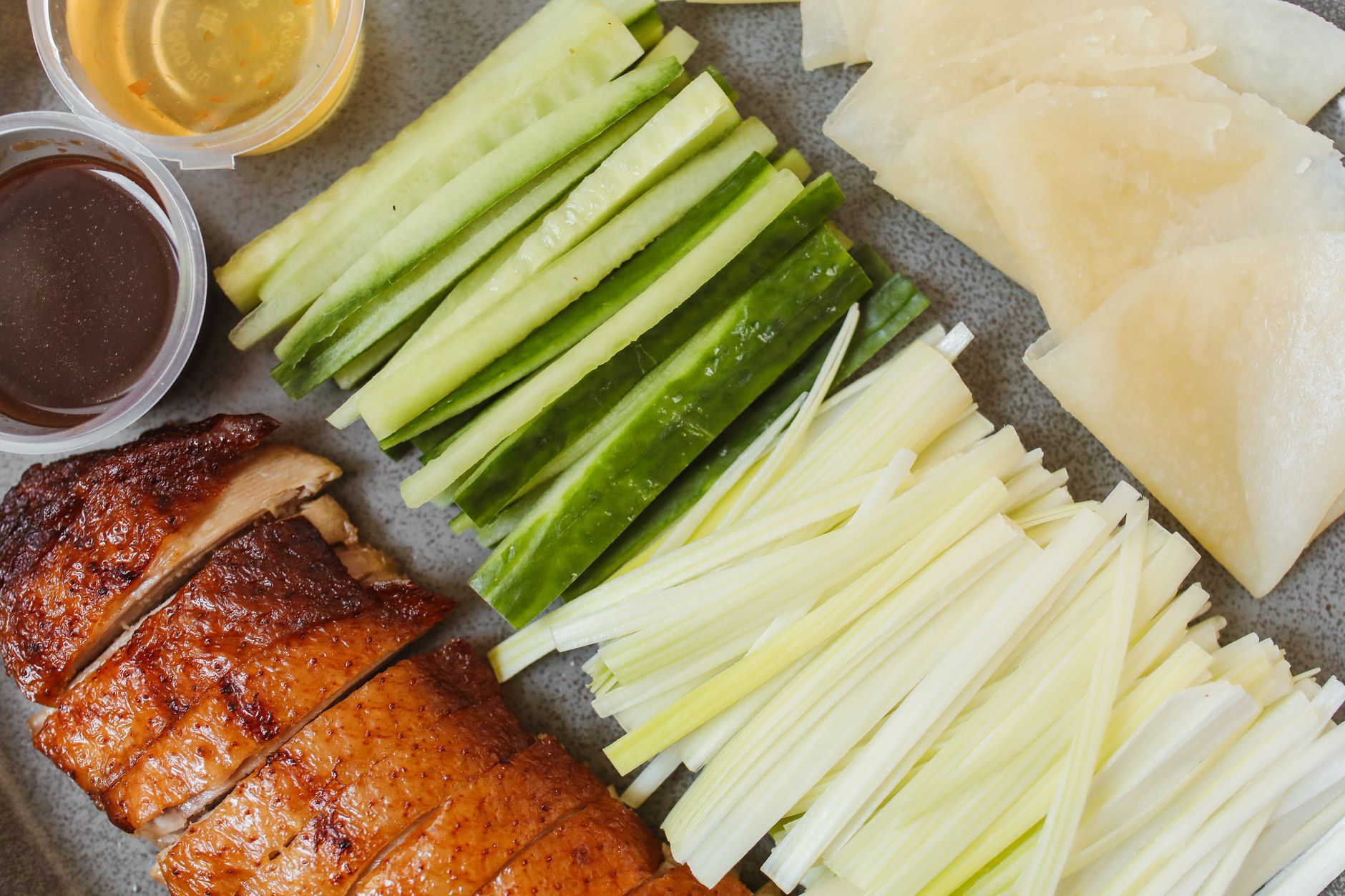
Hoisin sauce is a popular condiment in Asian cuisine that adds depth and flavor to various dishes. Often regarded as a sweet and savory sauce, it features a unique blend of ingredients that contribute to its distinctive taste and texture. Understanding what is in hoisin sauce can enhance your culinary skills and allow you to incorporate it effectively into your cooking.
This article will explore the key components of hoisin sauce, its flavor profile, texture, and kitchen uses, making it a valuable addition to any home cook’s pantry.
What Is in Hoisin Sauce?
Hoisin sauce typically contains a variety of ingredients that combine to create its signature flavor. The main components include fermented soybeans, sugar, vinegar, garlic, and various spices. These ingredients provide a well-rounded taste that is both sweet and savory.
Key Ingredients of Hoisin Sauce
- Fermented Soybeans: The base of hoisin sauce is typically made from fermented soybeans, which provide umami flavor and depth.
- Sugar: Usually derived from cane or beet sugar, sugar adds sweetness, balancing the savory notes of the sauce.
- Vinegar: This ingredient introduces acidity, preserving the sauce and giving it a slightly tangy flavor.
- Garlic: Fresh or powdered garlic contributes aromatic depth and a hint of spice.
- Spices: Common spices include sesame oil, five-spice powder (often made with star anise, cloves, Chinese cinnamon, Sichuan peppercorns, and fennel seeds), and sometimes chili peppers, which add warmth and complexity.
- Modified Starch: Some commercial versions may include modified starches as thickeners to enhance texture.
Taste Profile of Hoisin Sauce
The taste of hoisin sauce is multifaceted, combining sweet, salty, and sour notes. The sweetness primarily comes from the sugar, while the fermented soybeans provide a rich umami flavor that forms the backbone of the sauce. The presence of garlic, combined with the spices, introduces additional layers of flavor, making it a complex condiment that can elevate a dish.
Texture of Hoisin Sauce
Hoisin sauce typically has a thick and almost sticky texture, which allows it to adhere well to foods. This consistency makes it ideal for glazing meats, drizzling over dishes, or using as a dip. A good quality hoisin sauce should be smooth, with no gritty or grainy texture.
Common Kitchen Uses for Hoisin Sauce
Hoisin sauce is a versatile ingredient in various culinary applications. Here are some common uses:
- Stir-Fries: Hoisin sauce can be added to stir-fries for an extra punch of flavor.
- Marinades: Use hoisin sauce in marinades for meats like chicken, pork, or tofu, giving them a delightful flavor and moisture.
- Dipping Sauce: It can serve as a dipping sauce for spring rolls, dumplings, or grilled meats.
- Glaze: Brush hoisin sauce on grilled meats or roasted vegetables to create a glossy, flavorful coating.
- Barbecue Sauce: It can also be combined with other ingredients like soy sauce or chili paste to create a unique barbecue sauce.
Making Hoisin Sauce at Home
If you wish to control the ingredients or customize the flavor, making hoisin sauce at home is straightforward. Here is a simple recipe to create your own hoisin sauce:
Homemade Hoisin Sauce Recipe
- ¼ cup fermented soybean paste (or miso as a substitute)
- ¼ cup sugar
- 2 tablespoons rice vinegar
- 2 tablespoons soy sauce
- 1 teaspoon garlic powder
- 1 teaspoon sesame oil
- 1 teaspoon five-spice powder
- Optional: 1 teaspoon chili paste for heat
Directions
- In a mixing bowl, combine the fermented soybean paste and sugar, stirring until the sugar is dissolving.
- Add the rice vinegar, soy sauce, garlic powder, sesame oil, five-spice powder, and mix well.
- If desired, add chili paste for spice and adjust to taste.
- Taste the sauce and make adjustments as necessary, adding more sugar for sweetness, vinegar for tanginess, or soy sauce for saltiness.
- Store the sauce in an airtight container in the refrigerator for up to two weeks.
Storage and Shelf Life of Hoisin Sauce
Store hoisin sauce in an airtight container, preferably in a cool, dark place or in the refrigerator. Commercially bought hoisin sauce can last for several months due to preservatives. However, homemade versions should be used within two weeks for optimal freshness.
Substitutions and Variations
In case you run out of hoisin sauce or need a substitute, here are a few alternatives:
- Plum Sauce: This can serve as a sweet substitute with a similar texture, although it’s less savory.
- BBQ Sauce: Use barbecue sauce combined with soy sauce for a similar sweet and smoky profile.
- Teriyaki Sauce: This can work as a suitable replacement, albeit it typically has a more pronounced sweetness and less umami.
- Miso Paste: Mix miso paste with a little sugar and vinegar to mimic the flavors of hoisin sauce.
Common Mistakes When Using Hoisin Sauce
- Overusing: The strong flavor can easily overpower a dish. Use it sparingly and adjust to taste.
- Ignoring Balance: Pay attention to the balance of flavors in your dish. Too much sweetness might disrupt the overall taste.
- Combining with Incompatible Ingredients: Hoisin sauce pairs best with savory, salty, or slightly acidic ingredients. Avoid combining it with overly sweet or creamy elements.
Final Thoughts on Hoisin Sauce
Understanding what is in hoisin sauce, along with its flavor and texture, opens up a world of culinary possibilities. Whether you use it to elevate a stir-fry, enhance a marinade, or create a unique dipping sauce, hoisin sauce is a versatile ingredient that can enrich your cooking repertoire.
With its complex flavor profile and numerous applications, it’s easy to see why hoisin sauce is celebrated in various cuisines. Experiment with it in different dishes to discover how it can complement your favorite recipes.
As you explore culinary adventures with hoisin sauce, consider trying recipes that may pair well. Check out the Honey Sesame Chicken Recipe or the Gochujang Sauce Recipe for more flavorful insights!