
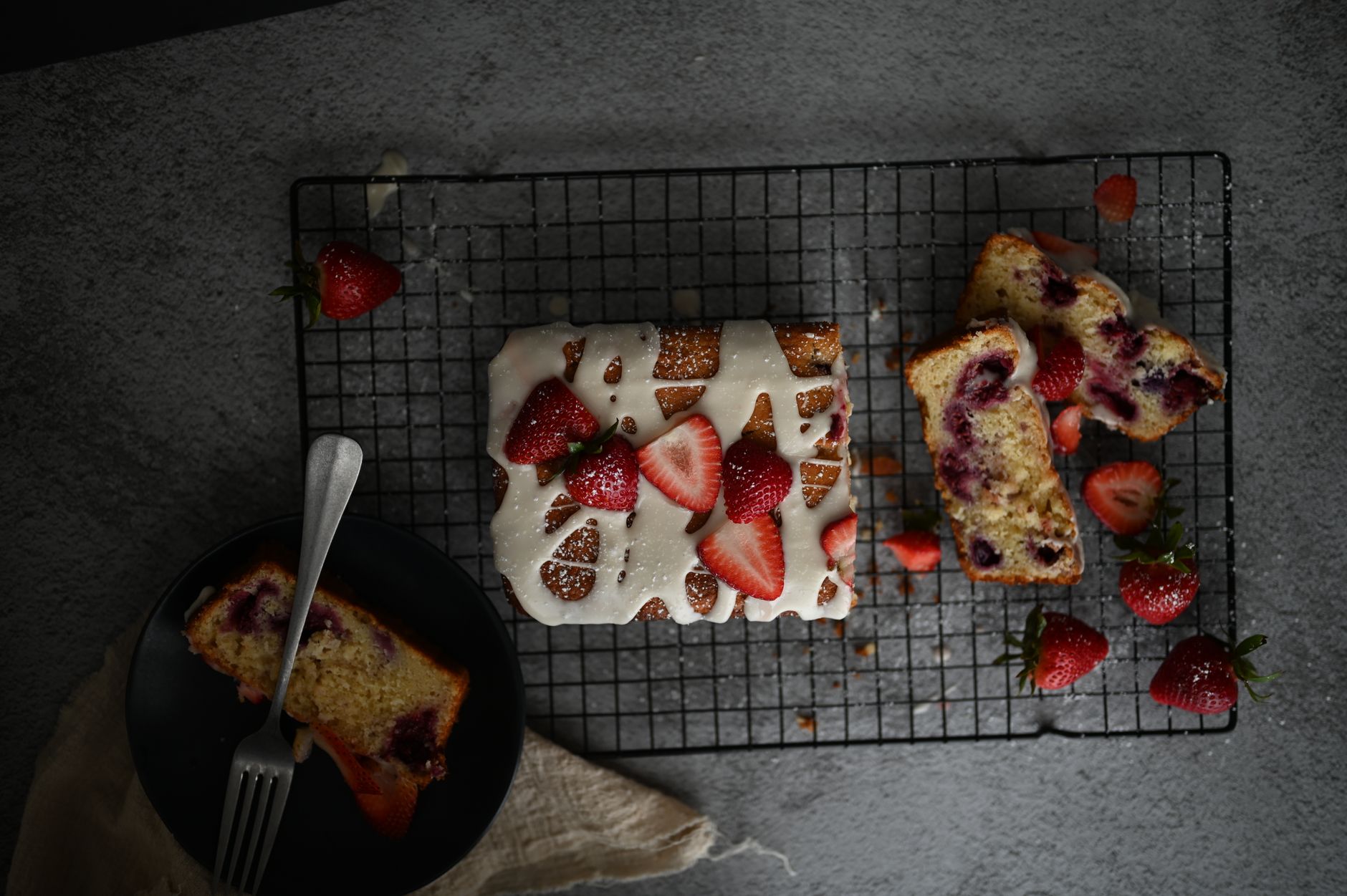
Fruit cake is a traditional dessert enjoyed during festive seasons, characterized by its rich flavor and delightful textures. Often associated with holidays, this cake embodies a medley of colorful fruits and warm spices, making it a versatile addition to any celebration.
While some may view fruit cake as a dense, unappetizing confection, when made right, it can be a luscious treat that captures the essence of seasonal festivities. In this article, we’ll explore the ingredients that make up a classic fruit cake, its taste profile, and various culinary uses to inspire you to either bake your own or select the best store-bought option.
What Is in Fruit Cake?
Fruit cake typically consists of a variety of ingredients, including dried or candied fruits, nuts, spices, and a rich batter base. The specific composition can vary widely based on regional traditions and personal preferences, but the essence remains a blend of sweet and savory flavors combined with a satisfying texture.
Main Ingredients
- Candied and Dried Fruits: Commonly used fruits include raisins, currants, sultanas, cranberries, cherries, and orange peel. These add natural sweetness and moisture.
- Nuts: Commonly used nuts are walnuts, pecans, and almonds which provide a crunchy texture.
- Flour: All-purpose flour is the base of the batter, providing structure to the cake.
- Spices: Typical spices include cinnamon, nutmeg, and allspice, which impart a warm and aromatic flavor.
- Butter or Oil: Fat contributes moisture and richness to the cake.
- Sugar: Granulated sugar, brown sugar, or honey adds sweetness and enhances caramelization during baking.
- Eggs: Eggs provide binding, moisture, and structure.
- Alcohol: Rum, brandy, or whiskey is often added to enhance flavor and help preserve the cake.
- Baking Powder: A leavening agent that assists in giving the cake its structure.
Flavor Profile
The flavor of fruit cake is complex and diverse, combining sweetness from the dried fruits, a slightly tangy note from the citrus peels, and the warm, aromatic qualities from spices. Depending on the ingredients, you may also detect nuttiness and a subtle earthiness from butter or oil, resulting in a rich and satisfying treat.
Texture
Fruit cakes are known for their dense and moist texture, which is a result of incorporating various fruits, nuts, and fats. When adequately baked and rested, the cake will have a lovely crumb that is both tender and firm, making it easy to slice while still maintaining its shape.
How to Make a Classic Fruit Cake
Creating a fruit cake from scratch can be a rewarding experience. Here’s a standard recipe that can yield about 12 servings, with preparation and baking instructions to guide you through the process.
Yield and Preparation Time
- Yield: 12 servings
- Preparation Time: 30 minutes
- Baking Time: 3 hours
- Total Time: 3 hours 30 minutes
Ingredients
- 2 cups mixed dried fruits (such as raisins, sultanas, cherries, and orange peel)
- 1 cup chopped nuts (such as walnuts or pecans)
- 2 cups all-purpose flour
- 1 teaspoon ground cinnamon
- 1/2 teaspoon ground nutmeg
- 1/2 teaspoon ground allspice
- 1 cup unsalted butter, softened
- 1 cup brown sugar
- 1/2 cup granulated sugar
- 4 large eggs
- 1/2 cup dark rum or brandy
- 1 teaspoon baking powder
Essential Equipment
- Large mixing bowl
- Electric mixer or whisk
- Measuring cups and spoons
- Spatula
- 9-inch round cake pan or loaf pan
- Parchment paper
- Cooling rack
Step-by-Step Method
- Preheat your oven to 300°F (150°C). Prepare your cake pan by greasing it with butter and lining the bottom with parchment paper.
- In a large mixing bowl, combine the dried fruits, nuts, cinnamon, nutmeg, and allspice. Add 1/4 cup of flour to coat the fruit and nuts, which helps to keep them from sinking in the batter.
- In another bowl, cream the softened butter with both sugars until light and fluffy, about 2-3 minutes using an electric mixer.
- Add the eggs one at a time to the butter-sugar mixture, making sure to mix well after each addition.
- Stir in the rum or brandy into the mixture.
- In a separate bowl, combine the remaining flour with baking powder.
- Gradually add the flour mixture into the wet ingredients, stirring until just combined.
- Gently fold in the coated fruit and nuts until evenly distributed.
- Pour the batter into the prepared cake pan and spread it evenly.
- Bake in the preheated oven for 2-3 hours, or until a toothpick inserted into the center comes out clean. Keep an eye on it to prevent over-baking, as fruit cakes can brown easily.
- Once cooked, remove the cake from the oven and let it cool in the pan for about 20 minutes before transferring it to a cooling rack to cool completely.
Culinary Uses and Serving Suggestions
Fruit cake may often be seen only during the holidays, but its rich flavor and texture make it a delightful treat any time of year. Here are some ideas on how to enjoy fruit cake:
Storage and Serving Tips
- Storage: Wrapped tightly in plastic wrap and stored in an airtight container, fruit cake can last several weeks at room temperature. If properly stored, it can also be kept in the refrigerator for months.
- Serving: Slice the cake and serve it at room temperature. It pairs well with a range of accompaniments, including cheese, whipped cream, or a scoop of vanilla ice cream.
- Garnish: Dust the top with powdered sugar or drizzle with a simple glaze for added appeal.
- Alcohol Soaking: For an even deeper flavor, you can soak the cake with additional rum or brandy intermittently during storage.
Variations and Substitutions
If you would like to get creative, consider these variations and substitutions:
- Fruit Variations: Experiment with different types of dried or candied fruits. Mango, apricot, or figs can be excellent additions.
- Nuts Substitute: If you have nut allergies or preferences, you can omit nuts or substitute with seeds such as sunflower or pumpkin seeds.
- Gluten-Free Options: Substitute all-purpose flour with a gluten-free all-purpose blend to accommodate dietary restrictions.
- Vegan Substitutions: Replace butter with coconut oil and use flax eggs instead of regular eggs to create a vegan fruit cake. Use unsweetened applesauce for added moisture.
Common Mistakes and Troubleshooting
Baking can sometimes lead to mishaps. Here are common issues and how to resolve them:
- Uncooked Center: If your cake is browning on the outside but remains uncooked inside, lower the oven temperature and cover the top with foil to prevent over-browning.
- Dry Texture: Ensure not to over-mix the batter, which can develop gluten in the flour and create a dense cake. Always measure flour correctly, spooning it into your measuring cup without packing it down.
- Overcooked Edges: If the edges cook too quickly, reduce the oven temperature and use a light-colored pan instead of a dark one.
Conclusion
Understanding the components of fruit cake allows you to appreciate its culinary versatility and rich history. Whether you make your own or opt for a store-bought version, consider the various ways to enjoy this delightful dessert throughout the year.
Explore related recipes and useful tips in our collection of fruit cocktail cake recipes and learn how to make candied fruits at home.