
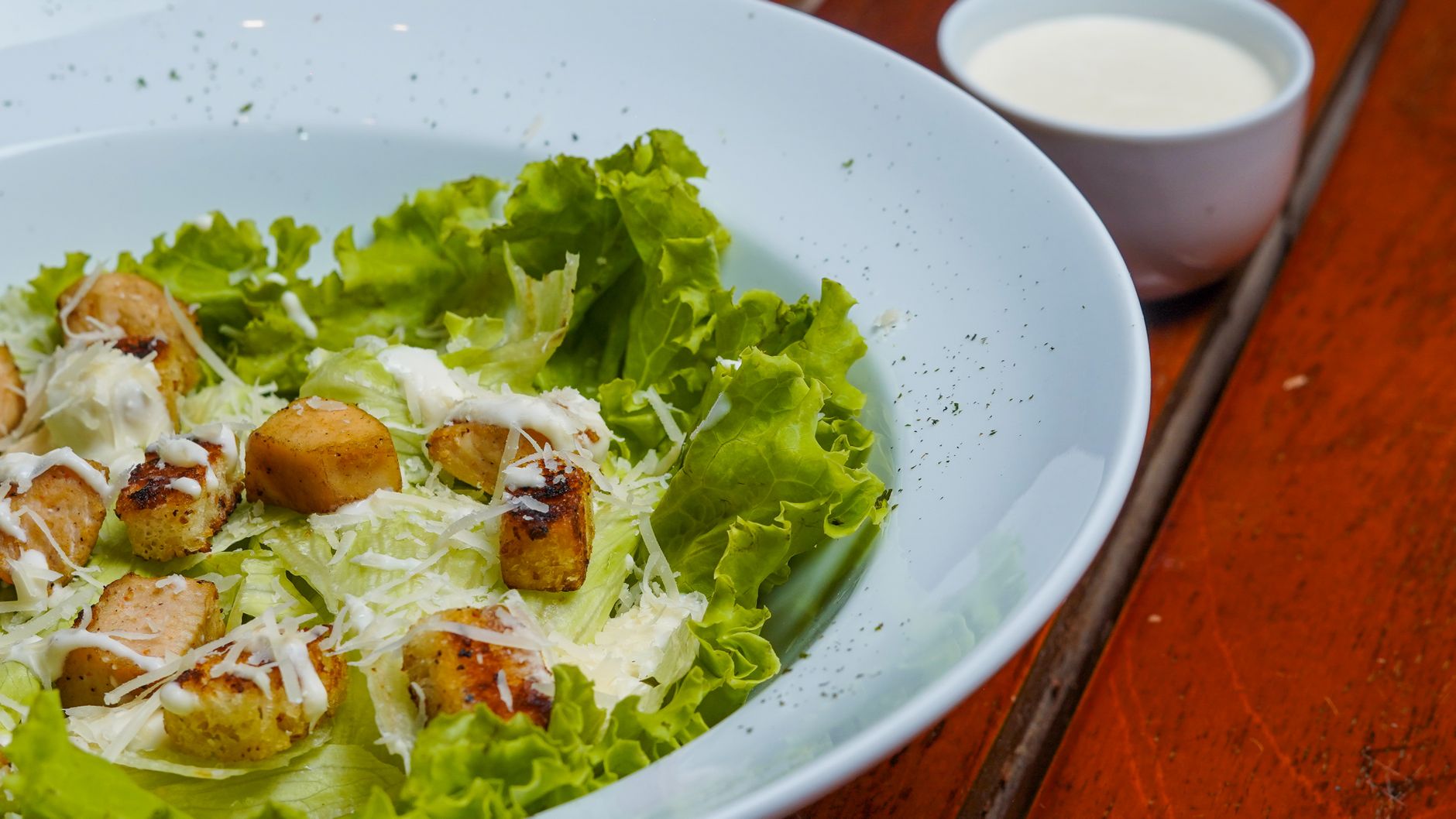
Caesar salad is a classic dish known for its rich flavors and satisfying textures. Comprising crisp romaine lettuce, a creamy dressing, and savory toppings, it remains a popular choice in restaurants and homes alike. Understanding what goes into a Caesar salad helps appreciate its taste and versatility.
Let’s break down the components of a Caesar salad, exploring each ingredient’s flavor and texture, suitable substitutions, and various kitchen uses. Whether you’re an experienced cook or a novice, this guide has something for everyone.
What Is in a Caesar Salad?
A Caesar salad typically includes romaine lettuce, croutons, Parmesan cheese, and a unique dressing made from egg yolks, garlic, olive oil, lemon juice, Worcestershire sauce, and black pepper. The combination provides a delightful balance of flavors, with the creamy dressing complementing the crunchy lettuce and bread.
Ingredients Overview
Here’s a closer look at each essential ingredient:
- Romaine Lettuce: The backbone of the salad, its sturdy leaves hold up well against the dressing and provide a satisfying crunch.
- Croutons: Made from toasted bread, croutons add a delightful crunch and absorb some of the dressing. They can be seasoned to enhance flavor.
- Parmesan Cheese: This aged cheese contributes a salty, nutty flavor, enhancing the overall taste of the salad.
- Caesar Dressing: The heart of the salad, the dressing combines creaminess with tangy, savory notes from garlic, lemon juice, and Worcestershire sauce.
Detailed Ingredient List
For a classic Caesar salad, here’s a complete ingredient list:
- 1 large head of romaine lettuce, chopped
- 1 cup croutons (store-bought or homemade)
- 1/2 cup freshly grated Parmesan cheese
- 1/2 cup Caesar dressing, homemade or store-bought
Homemade Caesar Dressing Ingredients
If you’re interested in making your dressing, consider the following ingredients:
- 2 egg yolks (use pasteurized if concerned about raw eggs)
- 2 tablespoons lemon juice
- 1 tablespoon Dijon mustard
- 2 cloves garlic, minced
- 1 teaspoon Worcestershire sauce
- 1/2 cup extra-virgin olive oil
- 1/4 teaspoon black pepper
- Salt to taste
Flavor Profile and Texture
The Caesar salad offers a dynamic flavor experience. The crisp and refreshing lettuce contrasts beautifully with the creamy dressing, while the salty tang of Parmesan and the crunch of croutons provide depth. Each bite combines diverse textures, making it satisfying and enjoyable.
Essential Kitchen Equipment
When preparing a Caesar salad, certain kitchen tools can simplify your experience:
- Large salad bowl
- Whisk (for the dressing)
- Cutting board and knife (for chopping lettuce and garlic)
- Measuring cups and spoons
- Grater (for Parmesan cheese)
Step-by-Step Preparation Method
Follow these steps to create a Caesar salad:
- Begin by washing the romaine lettuce thoroughly to remove any dirt. Dry the leaves using a salad spinner or paper towels.
- Chop the lettuce into bite-sized pieces and place it in a large salad bowl.
- If making homemade croutons, preheat your oven to 375°F (190°C). Cut bread into cubes, toss with olive oil, salt, and your choice of herbs, and bake until golden brown, about 10-15 minutes.
- In a separate bowl, make the dressing by whisking together the egg yolks, lemon juice, mustard, minced garlic, Worcestershire sauce, and black pepper. Gradually add olive oil while whisking until emulsified.
- Pour the Caesar dressing over the romaine lettuce and toss to coat evenly.
- Add croutons and Parmesan cheese to the salad, gently tossing to combine.
- Serve immediately, garnishing with additional Parmesan if desired.
Flavor Boosters and Variations
While traditional Caesar salad is delicious on its own, there’s room for creativity. Here are some boosting ingredients and adaptation suggestions:
- Anchovies: Fresh or canned anchovies can add umami depth to the dressing or be served whole atop the salad.
- Grilled Chicken: For a heartier meal, add sliced grilled chicken breast to the salad.
- Cherry Tomatoes: Juicy tomatoes provide a pop of color and sweetness, balancing the salad’s flavors.
- Avocado: Creamy avocado adds richness and healthy fats to the dish.
- Garnishes: Cracked pepper, fresh herbs like parsley or basil, or even citrus zest can enhance the salad vibrancy.
Practical Substitutions
If you’re missing some ingredients, a Caesar salad can still be made with substitutions:
- Lettuce: While romaine is standard, you can use kale or mixed greens for a different flavor and texture.
- Parmesan Cheese: Pecorino Romano or a non-dairy cheese can work in its place, though flavors will vary.
- Mayonnaise: In a pinch, mayonnaise can replace egg yolks in the dressing for creaminess.
- Store-Bought Dressing: Many store brands offer Caesar dressing; just check the ingredient list for flavor preferences.
Common Mistakes and Troubleshooting Tips
Even experienced cooks may encounter hurdles. Here are some common issues and solutions:
- Salad Sogginess: To prevent limp lettuce, dry it thoroughly after washing and dress the salad just before serving.
- Too Salty: If the salad is overly salty, balancing it with a little extra lemon juice or olive oil can counteract the flavor.
- Thick Dressing: If the dressing is too thick, whisk in a bit of water or more lemon juice to achieve a desirable consistency.
Storage and Meal Prep Guidance
Caesar salad is best enjoyed fresh but can be prepared in advance with proper storage techniques:
- Store washed and chopped lettuce in an airtight container to keep it crisp for 2-3 days, separate from the dressing.
- Croutons can be made ahead and stored in an airtight container for a week. Consider reheating in the oven to regain crispness before serving.
- Homemade dressing can be refrigerated for up to a week, so make extras to enjoy with other salads.
Serving Suggestions
Caesar salad can stand alone as a light meal or serve as a side dish. Here are some pairing ideas:
- Serve alongside grilled meats such as chicken, steak, or seafood.
- Pair with a side of baked potatoes or a vegetable medley for a complete dinner.
- Consider serving with garlic bread for a classic Italian meal.
Cultural Significance
The history of Caesar salad dates back to 1924, attributed to Caesar Cardini, an Italian immigrant in Mexico. Its unique combination of ingredients has made it a staple across various cuisine types. Variations abound, from adding bacon or shrimp to catering to vegetarian diets.
Modern adaptations sometimes shift away from the traditional elements, allowing for innovation while maintaining the essence of a Caesar salad. The balance of flavors and textures keeps Caesar salad appealing for many different diners.
Conclusion
Understanding what goes into a Caesar salad allows for flexibility and creativity in the kitchen. Whether you choose to follow the classic recipe or explore modern variations, this salad remains a beloved dish. Next time you’re in the mood for a fresh and satisfying meal, consider making a Caesar salad, and let your culinary creativity flourish.
For more delicious recipes and cooking tips, explore: freezing cooked chicken and what is a Cobb salad.