
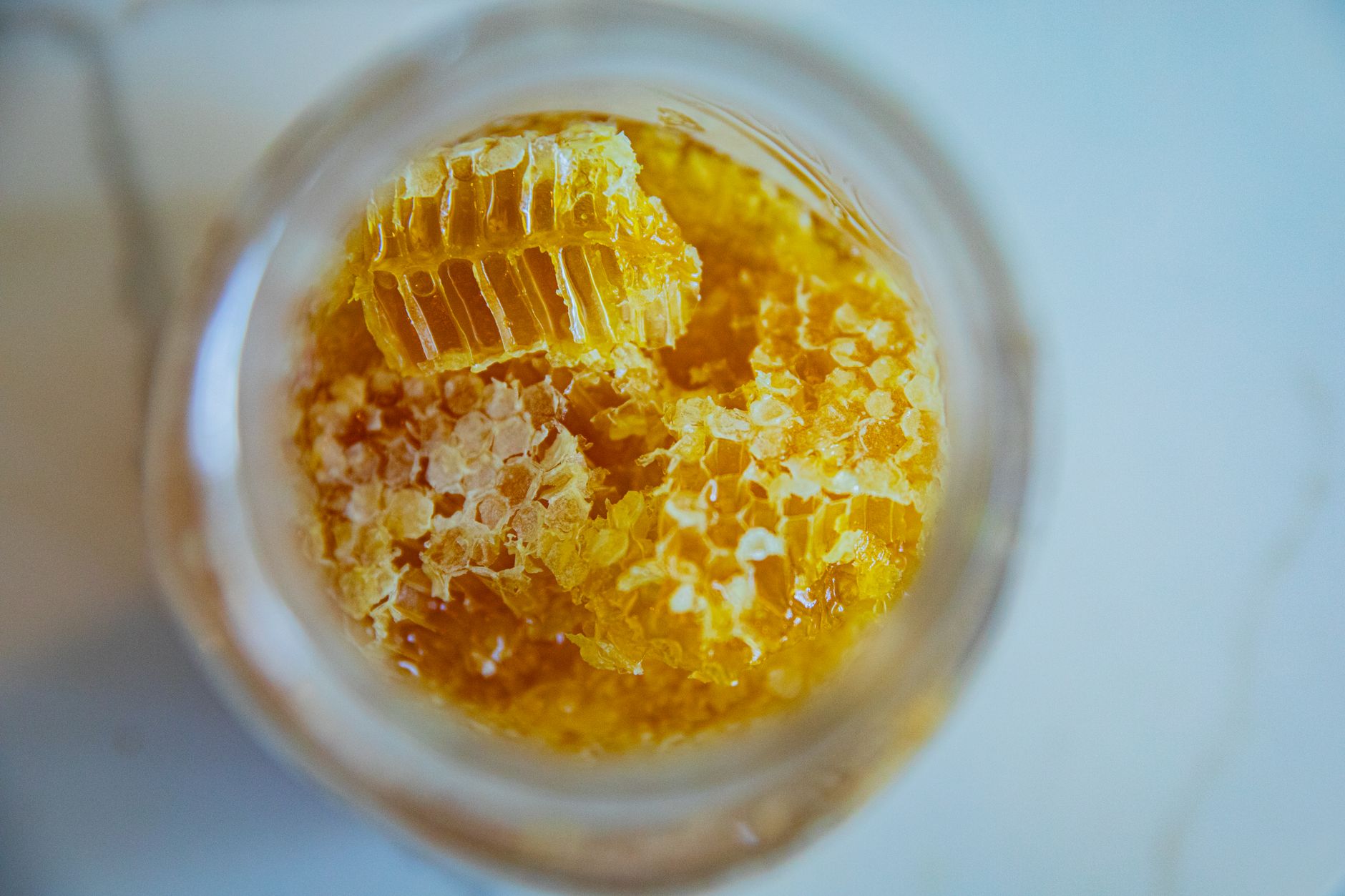
Honey is a natural sweetener loved for its unique flavor and numerous culinary applications. This golden elixir, produced by bees, is primarily composed of sugars, water, and various trace compounds that contribute to its distinct character. Understanding what honey is made of can enhance your appreciation and usage of this versatile ingredient in cooking and baking.
From drizzling over pancakes to sweetening teas, honey is not just a sweetener but also a source of flavor and benefits that many enjoy. This article will explore its composition, how it’s made, its nutritional aspects, and ways to incorporate honey into your kitchen routines.
What Is Honey Made Of?
Honey is primarily made up of the following ingredients:
- Sugars: About 80% of honey’s composition is sugar, mainly fructose (about 38%) and glucose (about 31%).
- Water: Honey contains approximately 17-20% water, depending on its moisture content.
- Other Compounds: The remaining 2-3% consists of vitamins, minerals, enzymes, amino acids, and organic acids.
The Key Components of Honey
Let’s break down these components to understand their roles further:
- Fructose: This natural sugar provides honey’s sweetness. It is sweeter than glucose and enhances the flavor profile.
- Glucose: Glucose affects honey’s viscosity and texture. When honey crystallizes, it’s primarily due to high glucose content.
- Water: Water content influences the overall quality and shelf life of honey. Lower moisture content typically indicates higher quality honey.
- Vitamins: Honey contains trace amounts of B vitamins (like riboflavin and niacin) and vitamin C, which contribute to its nutritional value.
- Minerals: Critical minerals such as calcium, iron, potassium, and magnesium are present in honey but in small amounts.
- Enzymes: Bees add enzymes during the honey-making process, which breaks down sugars and contributes to honey’s unique flavor and properties.
- Organic Acids: These acids, including gluconic acid, give honey its mild acidity and pleasant flavor complexity.
How Is Honey Made?
The production of honey is an intricate process involving bees and flowers. Understanding the methods bees employ to create honey can contribute to your appreciation of this natural substance.
- Pollination: Bees collect nectar from flowering plants. Nectar is primarily composed of water and sugars.
- Nectar Storage: Bees store nectar in their honey stomach, where it mixes with enzymes that begin breaking down complex sugars into simpler sugars.
- Returning to the Hive: Once full, the bee returns to the hive and regurgitates the nectar into another bee’s mouth.
- Transforming Nectar: The receiving bee continues the process by mixing the nectar with enzymes before depositing it into a honeycomb cell.
- Evaporation: Bees fan their wings to create airflow around the honeycomb, helping to evaporate water and concentrate the nectar into honey.
- Sealing: Once the honey has reached the desired consistency, bees seal the honeycomb with beeswax to protect it.
Nutritional Aspects of Honey
The nutritional profile of honey makes it a popular ingredient, often considered more beneficial than refined sugars. Here’s what you need to know:
Caloric Content
One tablespoon of honey typically contains about 64 calories, primarily from carbohydrates. This makes honey a concentrated source of energy.
Health Benefits
While it’s essential not to exaggerate honey’s health benefits, it does offer some advantages:
- Antioxidants: Honey contains natural antioxidants, which can help fight free radicals in the body.
- Antibacterial Properties: Certain types of honey, like Manuka honey, are known for their antibacterial properties.
- Soothing Effects: Honey is often used in remedies for sore throats and coughs due to its soothing texture.
Using Honey in Cooking and Baking
Honey isn’t just a sweetener; it plays a critical role in the flavor, texture, and consistency of dishes. Here’s how to effectively incorporate it into your cooking:
Substituting Honey for Sugar
When substituting honey for granulated sugar, follow these guidelines:
- Use 3/4 cup of honey for every cup of sugar.
- Reduce the liquid in the recipe by 1/4 cup since honey contains water.
- Lower the oven temperature by 25 degrees Fahrenheit to prevent over-browning due to honey’s natural sugars caramelizing faster.
Flavor Pairings
Honey pairs well with various flavors, enhancing both sweet and savory dishes. Some classic pairings include:
- Citrus fruits: Honey complements the acidity of lemon, orange, and grapefruit.
- Nuts: Especially almonds and walnuts, as the sweetness of honey balances their rich flavors.
- Cheese: Drizzling honey over cheese creates a delightful contrast, especially with goat cheese or aged cheeses.
- Spices: Honey works well with cinnamon, ginger, and nutmeg, making it perfect for baked goods.
Popular Uses for Honey
Honey can be used in numerous dishes, including:
- Dressings: Whisk honey into vinaigrettes for a touch of sweetness.
- Marinades: Use honey in marinades to help tenderize meat and add flavor.
- Baked Goods: Incorporate honey in cakes, bread, or cookies for added moisture and flavor.
- Tea and Beverages: Sweeten tea, coffee, or cocktails with honey.
Types of Honey
There are many varieties of honey, each with unique flavors and applications. The type of flower from which the nectar is collected primarily influences the flavor and color of the honey. Below are some popular types:
- Wildflower Honey: Made from the nectar of various wildflowers, it has a complex flavor that varies by season and location.
- Clove Honey: Known for its strong, spicy flavor, clove honey is often used in baking and sauces.
- Manuka Honey: Originating from New Zealand, this honey is prized for its unique antibacterial properties.
- Acacia Honey: Light in color with a mild, sweet flavor—ideal for sweetening tea.
- Buckwheat Honey: Dark and robust, buckwheat honey is rich in antioxidants and has a strong flavor.
How to Store Honey
Proper storage can help maintain the quality of honey:
- Store honey in a cool, dry place away from direct sunlight.
- Keep it in a tightly sealed container to prevent moisture absorption, which can lead to fermentation.
- Honey can crystallize over time; if this happens, gently warm the jar in warm water or microwave it briefly.
Common Mistakes When Using Honey
When cooking or baking with honey, be cautious to avoid common pitfalls:
- Not adjusting for moisture: Remember to reduce other liquids in recipes when using honey.
- Using honey in excessive amounts: Too much honey can overpower other flavors or lead to overly sticky results.
- High heat: Avoid cooking honey at high temperatures for prolonged periods, which can degrade its flavor and potential health benefits.
Expanding Your Honey Horizons
Beyond sweetness, honey can enhance your culinary creations in numerous ways. Consider experimenting with honey in lesser-known applications:
- Honey Glazes: Create flavorful glazes for roasted vegetables or meats by mixing honey with balsamic vinegar or soy sauce.
- Honey in Breakfast: Use honey to swirl into oatmeal or drizzle over yogurt and fresh fruit.
- Honey in Savory Dishes: Incorporate honey into BBQ sauces, marinades, and salad dressings for depth and complexity.
Conclusion
Understanding what honey is made of and how it can be utilized opens up a world of culinary possibilities. Its unique flavors and textures make it a versatile ingredient in cooking and baking applications. Whether you’re enhancing breakfast items, creating marinades, or sweetening beverages, honey remains a beloved staple.
To further explore the applications of honey in recipes, consider checking out our honey syrup recipe or the innovative honey deuce recipe for a refreshing beverage option. Expand your cooking repertoire by integrating honey into various dishes, and enjoy the delicious results.