
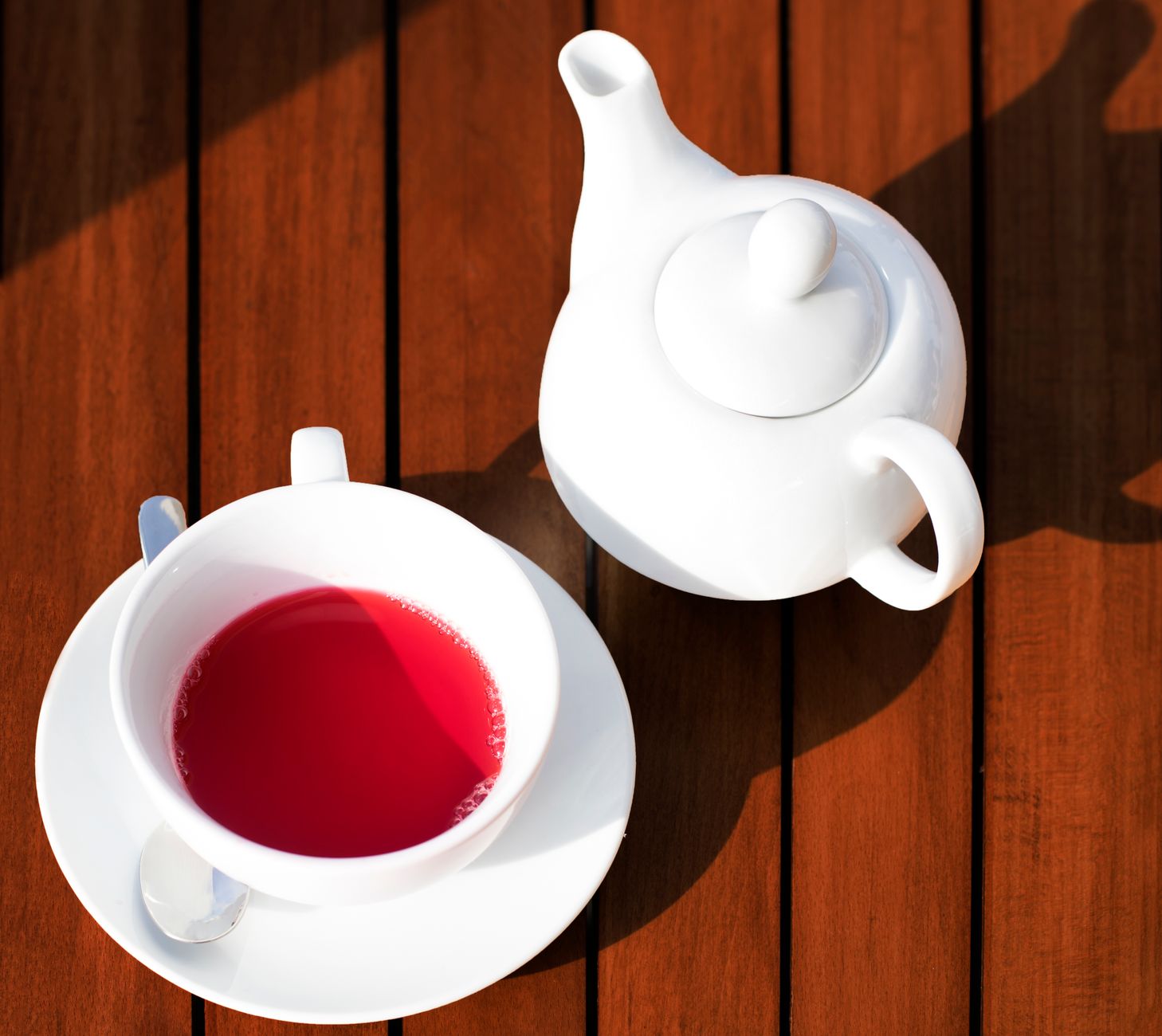
Hibiscus flavor is a unique and vibrant taste that has gained popularity in various cuisines and beverages worldwide. With its striking crimson hue, hibiscus lends not only its aesthetic appeal but also a tart, fruity flavor profile that can enhance both sweet and savory dishes.
This article explores hibiscus flavor in detail, covering its characteristics, culinary uses, and serving ideas. Whether you are new to hibiscus or looking to incorporate it into your cooking repertoire, this guide will provide practical insights on this delightful ingredient.
What Is Hibiscus Flavor?
Hibiscus flavor is derived from the dried calyces of the hibiscus flower, typically from species such as Hibiscus sabdariffa. Known for its tangy taste reminiscent of cranberry, hibiscus can be described as sour and sweet simultaneously. It is commonly used in beverages, salads, jams, and various other culinary applications, providing a pop of color and flavor.
The Flavor Profile of Hibiscus
The flavor of hibiscus is multifaceted and rich. Here are some key characteristics:
- Tartness: Hibiscus has a tart, almost sour taste that can be both refreshing and invigorating. This tartness makes it a popular choice for beverages, as it adds a bright flavor element.
- Sweetness: While tart, hibiscus also carries a subtle sweetness that can balance its acidity. This makes it versatile for use in both savory and sweet dishes.
- Fruity Notes: Hibiscus has notes that might remind one of cranberry, pomegranate, or closely related fruits. This fruitiness enhances its appeal in desserts and drinks.
- Floral Aroma: The smell of hibiscus is floral yet deep, contributing to a sensory experience that elevates culinary creations.
Texture and Appearance
Hibiscus flowers are typically dried and sold in shredded or whole forms. When used in cooking, they provide a chewy texture, especially in salads or salsas. Visually, hibiscus is striking, with a deep red to crimson color that can brighten any dish or drink, making it visually appealing as well as delicious.
Culinary Uses of Hibiscus
Hibiscus is used in various culinary applications across different cultures. Here are some popular uses for hibiscus flavor:
Beverages
One of the most common uses of hibiscus is in beverages:
- Tea: Hibiscus tea is a popular herbal tea known for its tart flavor and bright color. It can be brewed hot or served cold with ice.
- Hibiscus Juice: Known as “agua de jamaica,” this refreshing drink is made by steeping dried hibiscus flowers in water and adding sugar or lime juice.
- Cocktails: Hibiscus syrup is often used in cocktails to add vibrant color and complex flavors. It pairs particularly well with rum and gin.
Salads and Dressings
Hibiscus can also shine in salads:
- Dried Hibiscus Leaves: Adding rehydrated dried hibiscus to salads can give a unique flavor that complements leafy greens.
- Dressings: A vinaigrette made with hibiscus, either soaked or extracted into a syrup, can add a tangy and vibrant twist to dressings.
Desserts
In desserts, hibiscus flavor can add a unique and refreshing taste:
- Pies and Tarts: Hibiscus can be incorporated into fillings for pies, adding a colorful and delectable flavor profile.
- Jams and Jellies: Hibiscus can be made into jams, combining tartness with sweetness, ideal as a spread or dessert topping.
- Cakes and Puddings: Hibiscus can be infused in cake batters or puddings, giving a distinctive taste as well as a beautiful color.
Savory Dishes
Hibiscus has versatility in savory applications as well:
- Salsas: Many salsas benefit from the addition of hibiscus for brightness and acidity.
- Curries and Stews: Incorporating hibiscus can add a depth of flavor and a tangy aspect to hearty dishes.
How to Use Hibiscus in Your Cooking
Incorporating hibiscus into your cooking is straightforward. Here are some ways to use it effectively:
Dried Hibiscus
Dried hibiscus flowers can be used in several culinary applications:
- Soaking: Before using dried hibiscus, soak it in water for about 15-30 minutes to rehydrate it. This enhances its flavor and texture for recipes.
- Steeping: Use dried hibiscus to make teas or infusions by steeping in boiling water for about 5-10 minutes, depending on desired strength.
- Blending: Dried hibiscus can be ground into a powder for integrating into baked goods or spice blends.
Hibiscus Syrup
Hibiscus syrup can be an excellent condiment:
- Making the Syrup: To make hibiscus syrup, simmer equal parts sugar and water with dried hibiscus flowers. Strain and cool before use.
- Uses: Use hibiscus syrup as a sweetener for drinks, in salad dressings, or drizzled over desserts.
Flavor Pairings for Hibiscus
Knowing which flavors pair well with hibiscus can enhance its culinary versatility. Common pairings include:
- Citrus: Lemon, lime, and orange amplify the tart notes of hibiscus.
- Fruits: Berries, pomegranates, and apples complement hibiscus’s inherent sweetness.
- Herbs: Mint, basil, and cilantro provide freshness, balancing hibiscus’s tartness.
- Spices: Ginger, cinnamon, or chili pepper can add warmth and a hint of spice to hibiscus dishes.
Substitutions and Variations
If you’re looking to replace hibiscus flavor in dishes or customize its usage, here are some practical substitutes:
- Other Floral Ingredients: Edible flowers such as rose or elderflower can provide similar floral notes, though flavor may differ.
- Fruits: Pomegranate juice or cranberry juice can mimic the tartness of hibiscus, though they may lack floral notes.
- Vinegar: For dressings, consider using fruit vinegars, such as raspberry or apple cider, in place of hibiscus for a tangy flavor.
Common Mistakes When Using Hibiscus
While using hibiscus can elevate dishes, there are some pitfalls to avoid:
- Oversteeping: When preparing hibiscus tea, oversteeping can result in excessive bitterness. Aim for the recommended steeping time.
- Using Too Much: Because of its intense flavor, using too much hibiscus can overwhelm other flavors. Start with smaller amounts, increasing as needed.
- Ignoring Pairings: Hibiscus does not pair well with all flavors. Consider its tartness when selecting complementary ingredients.
Storage and Shelf Life of Hibiscus
Understanding how to properly store hibiscus will help maintain its flavor and quality:
- Dried Hibiscus: Store in an airtight container in a cool, dark place. Properly stored, it can last for up to one year.
- Syrup: Hibiscus syrup should be refrigerated in a sealed container and can last for up to one month.
Creative Serving Ideas for Hibiscus
Hibiscus is not just for drinks; consider these creative ways to serve it:
- Ice Cubes: Freeze brewed hibiscus tea in ice cube trays to add to beverages for a burst of flavor.
- Flavored Water: Infuse water with hibiscus along with fruits like strawberries or cucumbers for a refreshing drink.
- Garnishes: Use dried hibiscus petals as a garnish to add a floral and colorful twist to dishes or beverages.
Conclusion
Hibiscus flavor stands out with its vibrant, tart notes and culinary versatility. Whether you choose to incorporate it into drinks, delightful desserts, or savory dishes, hibiscus brings an exciting taste that can elevate your meals and inspire creativity in your kitchen. Consider how you can play with this delightful ingredient and experiment in your culinary ventures.
For further exploration of similar culinary topics, consider checking out these delicious recipes: Hwchae Recipe and Honey Sesame Chicken Recipe.