
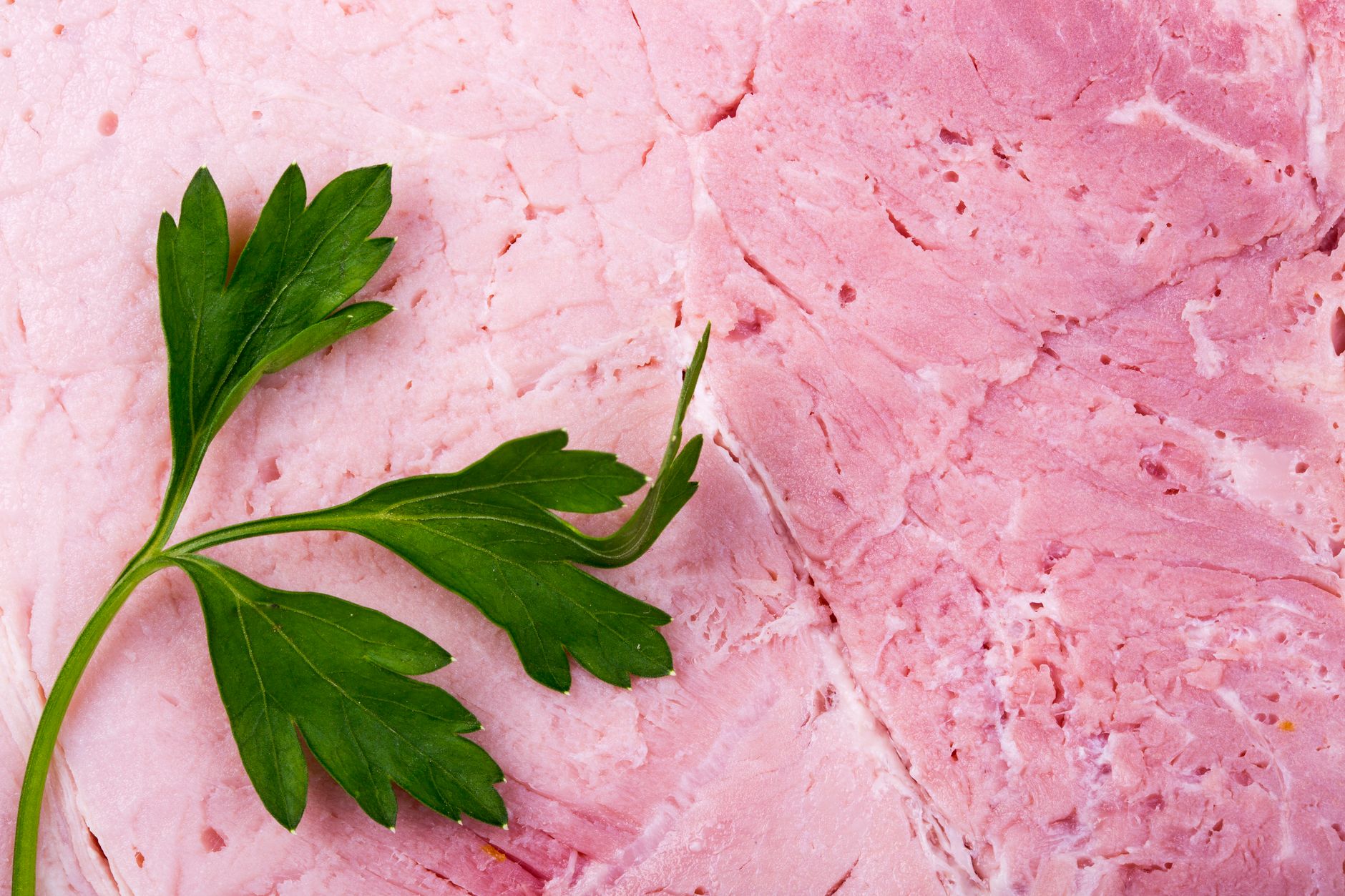
Ham steak is a versatile cut of meat that offers both flavor and convenience, making it an ideal choice for various meals. Often enjoyed as a hearty breakfast or a protein-packed dinner option, ham steak can be grilled, baked, or pan-fried with ease.
This article will explore what ham steak is, its ingredients, flavor profile, cooking methods, and how to serve it effectively.
What Is Ham Steak?
Ham steak is a thick, cross-cut slice of ham, typically taken from the hind leg of the pig. Unlike traditional sliced deli ham, which is usually processed and thinly sliced, ham steak is a whole cut of meat that retains some of the bone and surrounding fat, resulting in juicier and more flavorful portions. It’s important to distinguish ham steak from other types of ham by its size and preparation method.
This cut can be sourced from uncured or cured hams and may be labeled as “city ham” or “country ham,” depending on the curing process and region of production.
Ingredients Found in Ham Steak
The primary ingredient in ham steak is, of course, ham, but there are a few additional elements that can influence its taste and quality.
- Ham: The main ingredient, ham may be fresh, fully cooked, or smoked. Quality can vary greatly based on how the pig was raised, the curing process, and the type of seasoning used.
- Brining solutions: Many ham steaks are soaked in a brining solution containing salt, sugar, and spices, which enhances flavor, tenderness, and shelf life.
- Glazes or marinades: Some ham steaks come pre-glazed or may benefit from a homemade marinade. Common ingredients include brown sugar, honey, mustard, and apple cider vinegar.
Flavor Profile of Ham Steak
Ham steak is known for its rich, savory flavor. Depending on the curing and cooking method, its taste can range from mildly sweet to intensely salty. Fresh or uncured ham has a more subtle taste, while smoked or cured varieties tend to carry a more robust flavor profile.
When cooked properly, the exterior develops a satisfying caramelized crust, while the interior remains juicy and tender. This contrast in textures contributes to the appeal of ham steak, making it an excellent choice for various culinary applications.
How to Cook Ham Steak
Cooking ham steak is straightforward, and there are several methods to choose from based on your preferences and available kitchen equipment.
Grilling Ham Steak
Grilling ham steak adds a delicious smoky flavor and attractive grill marks. Follow these steps:
- Preheat your grill to medium-high heat.
- Brush the ham steak lightly with oil and season as desired.
- Place the ham steak on the grill and cook for about 4-6 minutes per side, or until heated through and nicely charred.
- Optional: Brush with your favorite barbecue sauce or glaze during the last few minutes of grilling for added flavor.
Oven-Baking Ham Steak
Baking ham steak in the oven allows for even cooking and the ability to utilize a glaze. Here’s how:
- Preheat your oven to 350°F (175°C).
- Place the ham steak in a roasting pan and brush with a glaze or marinade if desired.
- Bake for 20-30 minutes, or until the internal temperature reaches 140°F (60°C).
- For a more caramelized exterior, switch to broil for the last 5 minutes, keeping a close watch to prevent burning.
Pan-Frying Ham Steak
Pan-frying is a simple and quick method to achieve a crispy exterior. Here’s how to do it:
- Heat a tablespoon of oil in a large skillet over medium heat.
- Once hot, add the ham steak and cook for 4-5 minutes on each side, or until golden brown and heated through.
- Optional: Add a splash of apple cider vinegar or a sprinkle of brown sugar during cooking for an extra flavor boost.
How to Serve Ham Steak
Ham steak can be served in a variety of ways, perfecting practically any meal of the day. Here are some suggestions:
- Breakfast: Serve alongside eggs, pancakes, or roasted potatoes for a hearty morning meal.
- Lunch: Slice and layer in a sandwich with cheese, lettuce, and tomato, or serve as part of a salad with mixed greens and vinaigrette.
- Dinner: Accompany with seasonal vegetables and a side of potatoes for a balanced plate.
- Snacking: Dice leftover ham steak for a quick protein-packed snack, mixed with cheese and crackers.
Practical Tips for Cooking Ham Steak
Here are some tips to enhance your ham steak cooking experience:
- Choosing Quality Ham: Look for ham steaks from reputable brands or local butchers. Smithfield, Hormel, or Boone’s are good options but always read the labels for preservatives and additives.
- Storing Ham Steak: Uncooked ham steak should be stored in the refrigerator, while cooked leftovers can be kept in an airtight container for up to 3-5 days.
- Reheating Ham Steak: Reheat slices in a skillet over medium heat or in the microwave until warmed through. Avoid prolonged cooking, which can dry out the meat.
- Glazing Tips: If using a glaze, apply it during the final minutes of cooking. This allows for caramelization without burning the sugars.
Common Mistakes to Avoid
Avoiding common pitfalls can elevate your ham steak cooking experience:
- Overcooking: Ham steak is usually pre-cooked or cured. You only need to heat it to an internal temperature of 140°F (60°C) and ensure not to overdo it.
- Skipping the Marinating/Glazing: Enhancing flavor with a marinade or glaze can make a significant difference, so don’t skip this step.
- Neglecting Resting Time: After cooking, let the ham steak rest for 5-10 minutes to allow the juices to redistribute for maximum tenderness.
Variations of Ham Steak
There are many ways to customize ham steak, yielding different flavors and presentations:
- Honey-Glazed: Combine honey, brown sugar, and mustard for a sweet and tangy glaze.
- Pineapple-Glazed: A popular combination, using canned or fresh pineapple juice as part of the marinade or glaze adds a tropical twist.
- Spicy: Incorporate chili powder or hot sauce in your glaze for a kick of heat.
- Herbes de Provence: Season with dried herbs for an aromatic touch, pairing well with roasted vegetables.
Ham Steak in Meal Planning
Ham steak is not only delicious but also a practical option for meal planning. Here are a few ideas:
- Batch Cooking: Prepare multiple ham steaks at once and refrigerate or freeze portions for later use.
- Versatile Leftovers: Use diced ham in quiches, breakfast burritos, or casseroles.
- Combining Ingredients: Pair ham steak with seasonal produce that is on sale to create budget-friendly meals.
Storing and Reheating Ham Steak
Safe storage practices help maintain the quality and flavor of ham steak:
- Refrigeration: Store leftover cooked ham steak in an airtight container in the refrigerator for 3-5 days.
- Freezing: Ham steak can be frozen for up to 2-3 months. Wrap tightly to avoid freezer burn.
- Reheating: Use low, gentle heat when reheating to preserve moisture. A microwave works in a pinch, but a skillet or oven is better for keeping the meat tender.
Conclusion
Ham steak is a flavorful and versatile ingredient that can elevate any meal with its rich taste and satisfying texture. Whether you choose to grill, bake, or pan-fry it, there are countless ways to enjoy this cut of meat. From breakfast plates to savory dinners, ham steak fits seamlessly into any culinary repertoire.
As you explore the world of ham steak, consider trying out various glazes and cooking methods for a delectable dining experience. For more meal ideas, check out our ham salad sandwich recipe or our spiral ham recipe for a festive occasion. Enjoy cooking!