
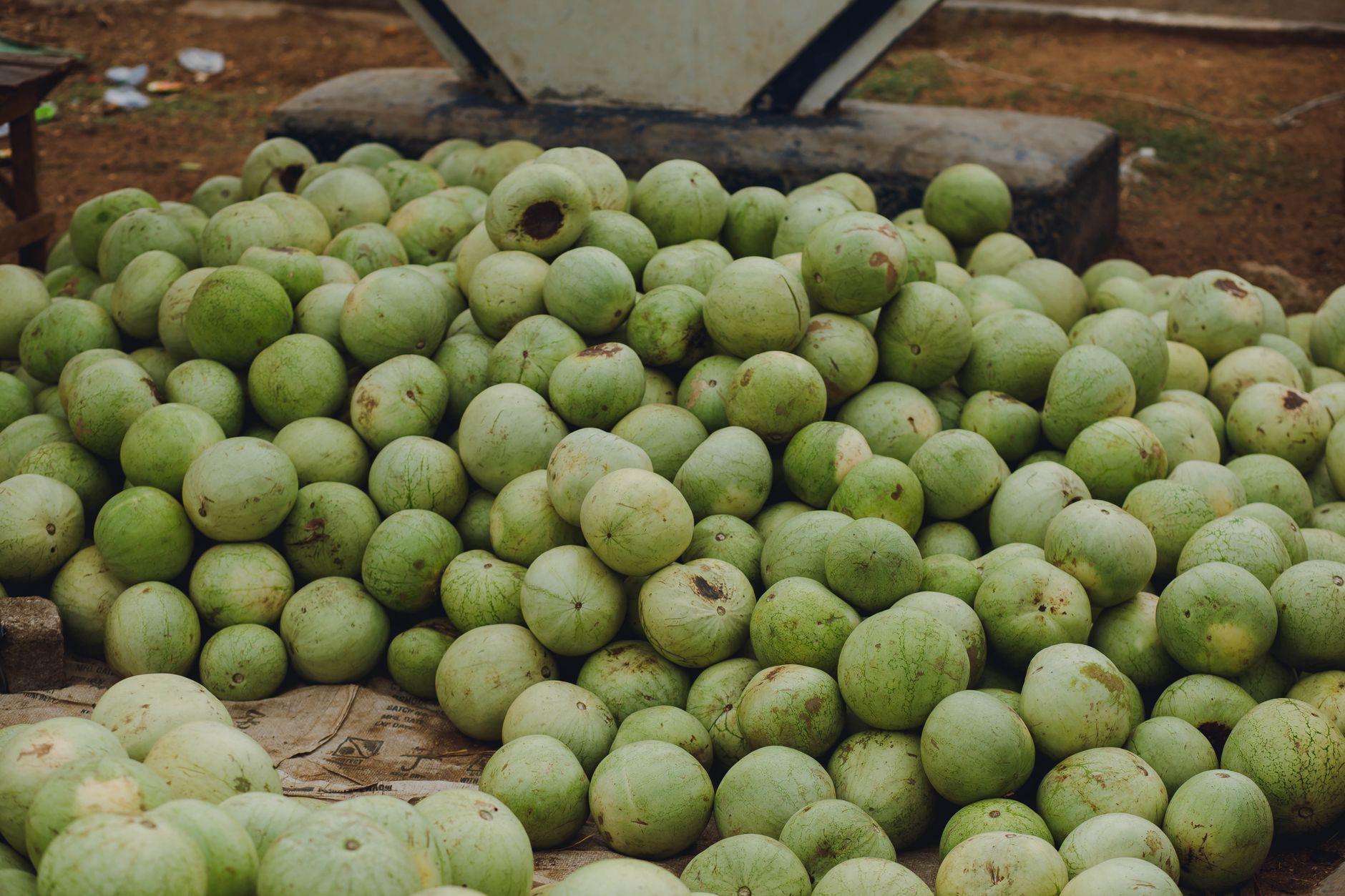
Green melons are often identified by their specific type, such as honeydew melon, which is the most common green melon variety. Honeydew features a smooth, pale green skin and sweet, juicy flesh. Additionally, other green melons, like cantaloupe and various hybrid versions, may sometimes fall under informal descriptors, leading to confusion. This article delves into the various types of green melons, their history, culinary uses, and nutritional benefits.
Melons belong to the Cucurbitaceae family, and green melons have a unique appeal due to their sweet taste, refreshing texture, and versatility in both culinary applications and health benefits. Understanding what constitutes a green melon is crucial for selecting the best options in grocery stores or farmer’s markets.
What Is Green Melon Called?
The term “green melon” primarily refers to honeydew melon, which is popular in many cuisines around the world. Its juicy, green flesh has a subtly sweet flavor, making it a delicious choice for salads, desserts, and beverages. Other lesser-known green melons include the Galia melon, which has a green mesh-like outer skin and sweet, aromatic flesh. In some regions, what is referred to as “green melon” may also encompass certain varieties of cantaloupes when their flesh appears greenish or pale.
History and Origins of Green Melons
The history of melons dates back thousands of years, tracing their origins to regions in Africa and the Middle East. Ancient records suggest that melons were cultivated and enjoyed by the Egyptians as far back as 2500 BC. The cultivation spread to the Mediterranean and Asia, eventually making its way to Europe through trade.
Honeydew melon, specifically, is believed to have originated in France during the late 19th century, derived from the early European cantaloupe. Galia melons, an exciting hybrid developed in Israel, reflect agricultural innovation that melds different traits of cantaloupe and honeydew. This hybridization process showcases the growing interest in creating new, desirable melon varieties while preserving sweetness and texture.
Culinary Uses for Green Melon
Green melons, particularly honeydew, are incredibly versatile in culinary applications. They can be enjoyed fresh, blended into smoothies, or incorporated into various dishes. Below are some common culinary uses:
- Salads: Add green melon cubes to fruit salads or green salads for an extra burst of sweet flavor.
- Smoothies: Blend honeydew with yogurt, spinach, and other fruits for a refreshing smoothie.
- Desserts: Use green melon in sorbets, ice creams, or fruit tarts for a light and refreshing dessert.
- Salsas: Combine chopped green melon with peppers, cilantro, lime juice, and jalapeños for a unique salsa.
- Drinks: Green melon can be juiced or incorporated into cocktails for a sweet and refreshing beverage.
Nutritional Benefits of Green Melons
Green melons provide not only delicious flavors but also various nutritional benefits. Here’s a closer look at the nutrients found in honeydew and other green melon varieties:
- Low in Calories: Honeydew melon is low in calories, making it an excellent choice for those monitoring their weight.
- Hydration: With its high water content, green melon helps keep you hydrated, especially on warm days.
- Vitamins: Green melons are rich in Vitamin C, which supports the immune system and skin health.
- Minerals: They also contain potassium, essential for maintaining healthy blood pressure levels.
- Fiber: Melons provide dietary fiber, which aids digestion and can help prevent constipation.
How to Select the Best Green Melon
Selecting the perfect green melon is key to enjoying its deliciousness. Here are tips for choosing the best green melon, particularly honeydew:
- Exterior Color: Look for melons with a creamy, yellowish exterior—this indicates ripeness.
- Texture: The rind should feel slightly waxy and yield slightly when pressed; avoid hard and overly soft specimens.
- Aroma: A sweet, fragrant aroma at the stem end indicates ripeness.
- Shape: Choose melons that are symmetrical and have a uniform shape for the best texture and taste.
Preparation and Storage of Green Melons
Properly preparing and storing green melons ensures that you enjoy them at their freshest. Here’s how to do it:
Preparation
- Wash: Rinse the outer skin under running water to remove any dirt or bacteria.
- Cut: Slice off both ends of the melon, then cut it in half. Scoop out the seeds using a spoon.
- Slice: Cut the melon into wedges or cubes, depending on your intended use.
Storage
Store uncut green melons at room temperature. After cutting, wrap tightly in plastic wrap or place in an airtight container in the refrigerator, where it can last for up to five days. If you want to extend freshness, consider freezing melon pieces for later use in smoothies or desserts.
Common Mistakes When Working with Green Melons
While preparing green melons might seem straightforward, common mistakes can hinder your experience. Here are some to avoid:
- Choosing an Unripe Melon: Picking a melon that is too hard or lacks aroma will result in a bland taste.
- Improper Storage: Failing to store cut melons correctly can lead to spoilage and loss of flavor.
- Neglecting to Wash: Always wash the exterior before cutting to prevent contamination from bacteria.
Recipe Ideas Featuring Green Melon
To inspire creativity in the kitchen, here are a few recipe ideas that highlight the deliciousness of green melon:
Honeydew Melon Salad
This vibrant salad combines the sweetness of honeydew with fresh herbs and a tangy dressing for a refreshing dish.
- Yield: 4 servings
- Preparation Time: 15 minutes
- Total Time: 15 minutes
Ingredients
- 1 ripe honeydew melon, cubed
- 1 cup diced cucumber
- 1/4 cup fresh mint leaves, chopped
- Juice of 1 lime
- Salt and pepper to taste
Method
- In a large mixing bowl, combine cubed honeydew and diced cucumber.
- Add chopped mint leaves and lime juice; gently toss to combine.
- Season with salt and pepper to taste. Serve immediately.
Honeydew Watermelon Smoothie
This simple and refreshing smoothie is perfect for a hot day, providing hydration and sweetness.
- Yield: 2 servings
- Preparation Time: 5 minutes
- Total Time: 5 minutes
Ingredients
- 1 cup honeydew melon chunks
- 1 cup watermelon chunks
- 1/2 cup Greek yogurt
- 1 tablespoon honey (optional)
- Ice cubes (optional)
Method
- Place honeydew, watermelon, yogurt, and honey in a blender.
- Add ice cubes if a colder smoothie is desired. Blend until smooth.
- Pour into glasses and serve immediately.
Conclusion
Green melons, particularly honeydew and varieties like Galia, offer a range of culinary possibilities and health benefits. From refreshing salads to smoothies, these melons are versatile ingredients that enhance various dishes. Remember to choose the right melon, prepare it properly, and enjoy its delightful sweetness.
Explore more on our blog for additional recipes and cooking tips that incorporate green melons or other delightful ingredients.