
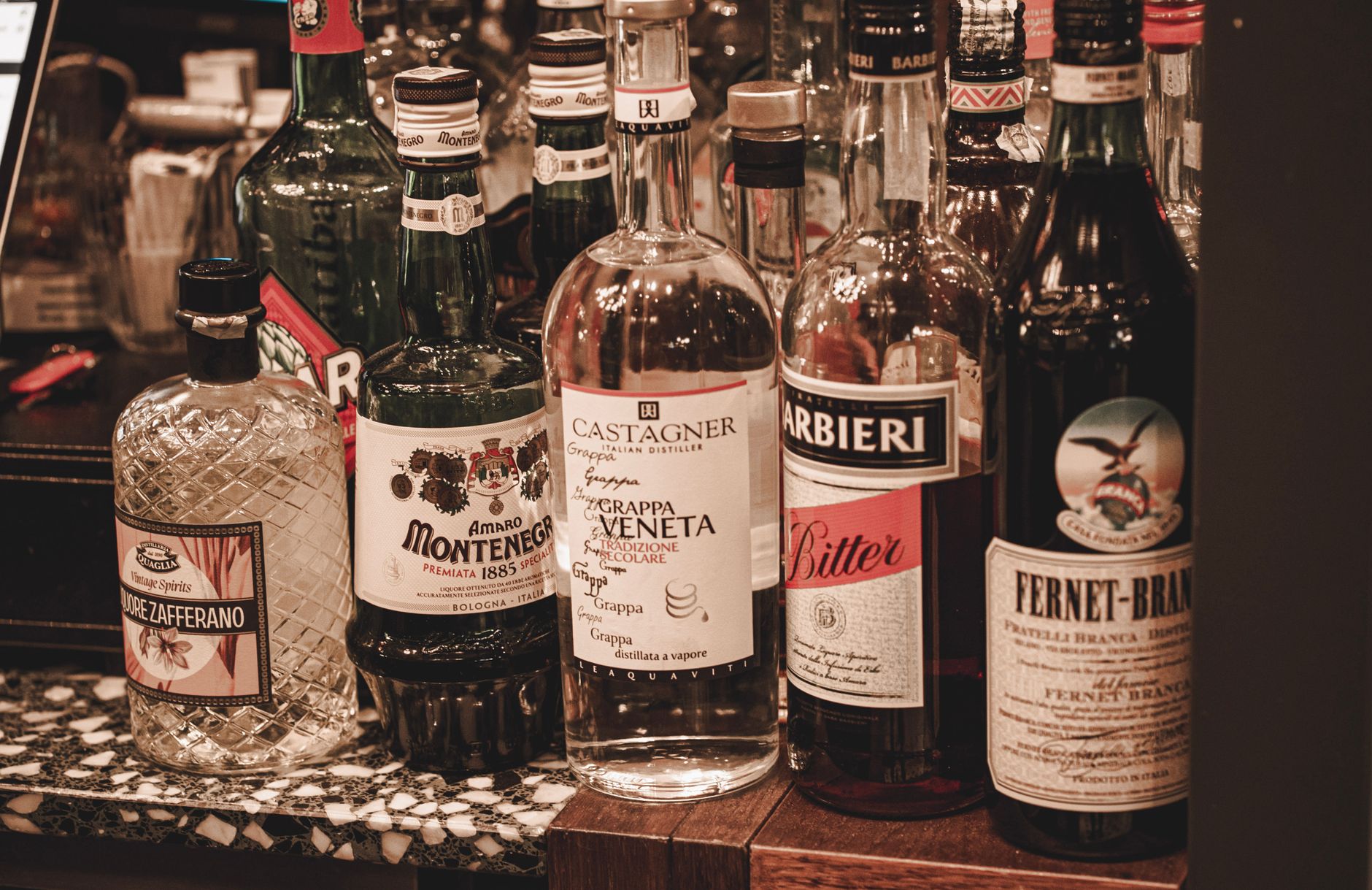
Grappa is a traditional Italian grape-based pomace brandy that has garnered a reputation as a sophisticated after-dinner drink. Made from the leftover skins, seeds, and stems of grapes after they are pressed for winemaking, it reflects the artistry and craftsmanship of its producers and the rich terroir of Italy.
This unique spirit boasts a range of flavors, aromas, and styles, making it a versatile option for pairing with food or enjoying on its own. In this article, we will delve into the history, production process, flavor profiles, and culinary uses of grappa, as well as how to taste and appreciate this traditional Italian spirit.
What Is Grappa?
Grappa is a potent alcoholic beverage that originates from Italy, made by distilling grape pomace. It is often enjoyed as a digestif, served neat, or used in cocktails. The flavor varies depending on the grape varieties used and the production techniques employed. Generally, grappa is characterized by its high alcohol content, robust flavors, and aromatic complexity.
The History of Grappa
The origins of grappa trace back to Italy in the 19th century, although the distillation of pomace wine can be traced back even further. Grappa was originally produced as a way to utilize the leftover materials from winemaking. Over time, the spirit has evolved from a rustic beverage enjoyed by peasants to a refined spirit revered by connoisseurs.
Today, grappa is protected under European Union regulations, meaning only distilleries in Italy (and a few areas in Switzerland) that adhere to specific guidelines can label their product as grappa. This appellation of origin ensures the quality and authenticity of the spirit.
Production Process of Grappa
The production of grappa begins with the collection of grape pomace, which includes the leftover skins, seeds, and stems after pressing grapes to make wine. The process can be broken down into several main stages:
- Selection of Grapes: Choosing high-quality grapes is crucial, as the flavor of the final product depends significantly on the quality of the pomace. Many producers use specific grape varieties, often indigenous to Italy.
- Fermentation: The pomace may undergo a short fermentation to convert remaining sugars into alcohol. This step can vary depending on the intended style of grappa.
- Distillation: The fermented pomace is distilled in pot stills or column stills, a process that separates alcohol from the solids and water. Pot stills are often used for artisanal production, while column stills are more common in larger-scale distillations.
- Aging (optional): While many grappas are bottled immediately after distillation, some are aged in wooden barrels, imparting additional complexity and character to the spirit.
- Filtration and Bottling: The final product is filtered and then bottled. Some producers choose to produce flavored grappas, infusing them with herbs, spices, or fruits during the aging process.
Flavor Profiles of Grappa
Grappa is known for its diverse flavor profiles, which can range from fruity and floral to earthy and herbaceous. The specific notes depend on the grape varieties used, the distillation method, and any aging process. Here are some common flavor profiles:
- Fruity: Grappas made from aromatic grape varieties often showcase flavors like peach, apricot, or grape itself, complemented by floral notes.
- Herbaceous: Some grappas exhibit grassy or herbal characteristics, especially when made from green or unripe grapes.
- Spicy: Aged grappas can reveal spicy notes from the wood barrels, including vanilla, clove, and nutmeg.
- Earthy: Stemming from the skins and seeds, some grappas may have earthy or mineral notes, reminiscent of the soil where the grapes were grown.
Types of Grappa
Grappa comes in various styles and classifications based on factors such as aging and grape variety. Here are some common types to know:
- Grappa Bianca: Also called “grappa giovane,” this is the unaged version and typically displays the most intense and fresh flavors.
- Grappa invecchiata: Aged for a minimum of 12 months in wooden barrels, this type of grappa gains complexity and depth of flavor.
- Grappa aromatizzata: Flavored grappas are infused with botanicals, herbs, or fruits, appealing to those who enjoy a unique twist.
- Pomace Grappa: Made from the pomace of specific grape varieties, allowing straight varietals like Nebbiolo or Barbera to shine.
How to Taste Grappa
Tasting grappa is an experience that goes beyond simply drinking it. Here are tips on how to properly taste and appreciate this unique spirit:
- Glassware: Use a tulip-shaped glass, which helps concentrate the aromas. Avoid using wide tumbler glasses.
- Visual Analysis: Observe the color of the grappa; clear grappas are unaged, while aged varieties may have a golden hue.
- Aroma: Swirl the grappa gently and take a moment to inhale the aromas. Look for floral, fruity, or any complex notes.
- Taste: Take a small sip to warm your palate, allowing the flavors to develop. Notice the initial taste, mouthfeel, and finish.
- Pairings: Consider pairing the grappa with complementary foods, such as cheese, chocolate, or nuts, to enhance the tasting experience.
Cooking with Grappa
Grappa can also find its way into your kitchen. Its strong flavors can elevate various dishes, whether in sweet or savory preparations. Here are some culinary uses:
- Marinades and Sauces: Grappa can be used as a marinade for meats to impart a unique flavor profile, especially with roasted or grilled dishes. It’s also ideal for deglazing pans and adding depth to sauces.
- Desserts: Incorporate grappa into desserts like sorbets, cakes, or sauces to provide a touch of elegance. It’s particularly lovely in fruit compotes.
- Risottos and Pasta: A splash of grappa can enhance risottos and pasta dishes with its intense character.
Where to Buy Grappa
Grappa is widely available in liquor stores, specialty shops, and online retailers. When purchasing grappa, consider seeking out artisanal or small-batch producers for unique flavors and styles. Additionally, it’s beneficial to check for product information or tasting notes that can guide your choice.
Common Mistakes When Enjoying Grappa
Here are some common mistakes to avoid when enjoying grappa, whether straight or in culinary applications:
- Chilling: Many people mistakenly chill grappa. While some might prefer it that way, experts recommend enjoying it at room temperature to appreciate its flavors fully.
- Mixing: Using grappa as a base for cocktails can dilute its complexity. It’s best enjoyed neat or with minimal mixers.
- Serving Size: Be mindful of serving size. Grappa is quite potent, so small servings are ideal for savoring rather than consuming quickly.
Storage of Grappa
Proper storage of grappa will ensure it retains its quality over time:
- Seal Tightly: Always make sure the bottle is sealed tightly to prevent oxidation.
- Cool, Dark Place: Store grappa in a cool, dark place, away from direct sunlight or heat sources.
- Shelf Life: Grappa has a long shelf life—often years—because the high alcohol content acts as a preservative. However, it is best consumed within a few years of opening for optimal flavor.
Grappa and Food Pairing
Grappa can be an excellent companion to various foods. Here are some suggestions:
- Cheese: Pair grappa with aged cheeses like Parmigiano-Reggiano or Gorgonzola, which balance the spirit’s robustness.
- Chocolate: Dark chocolate or chocolate desserts pair beautifully with grappa, enhancing the bitter-sweet flavor profile.
- Nuts: Roasted nuts, especially almonds and hazelnuts, can complement grappa’s richness and provide texture.
- Fruit-Based Desserts: Grappa works well with desserts like poached pears or fruit tarts, emphasizing the fruity notes.
Conclusion
Grappa stands out as a unique Italian spirit that embodies the craftsmanship and tradition of winemaking. Its diverse flavor profiles, production methods, and culinary applications make it a versatile addition to any enthusiast’s collection. Whether enjoyed after a meal or integrated into a dish in the kitchen, understanding grappa allows for a deeper appreciation of this remarkable spirit.
For more insights and tips on food and drink, explore our guides on various ingredients, cooking techniques, and culinary traditions. Discover the world of flavors and deepen your cooking skills.