
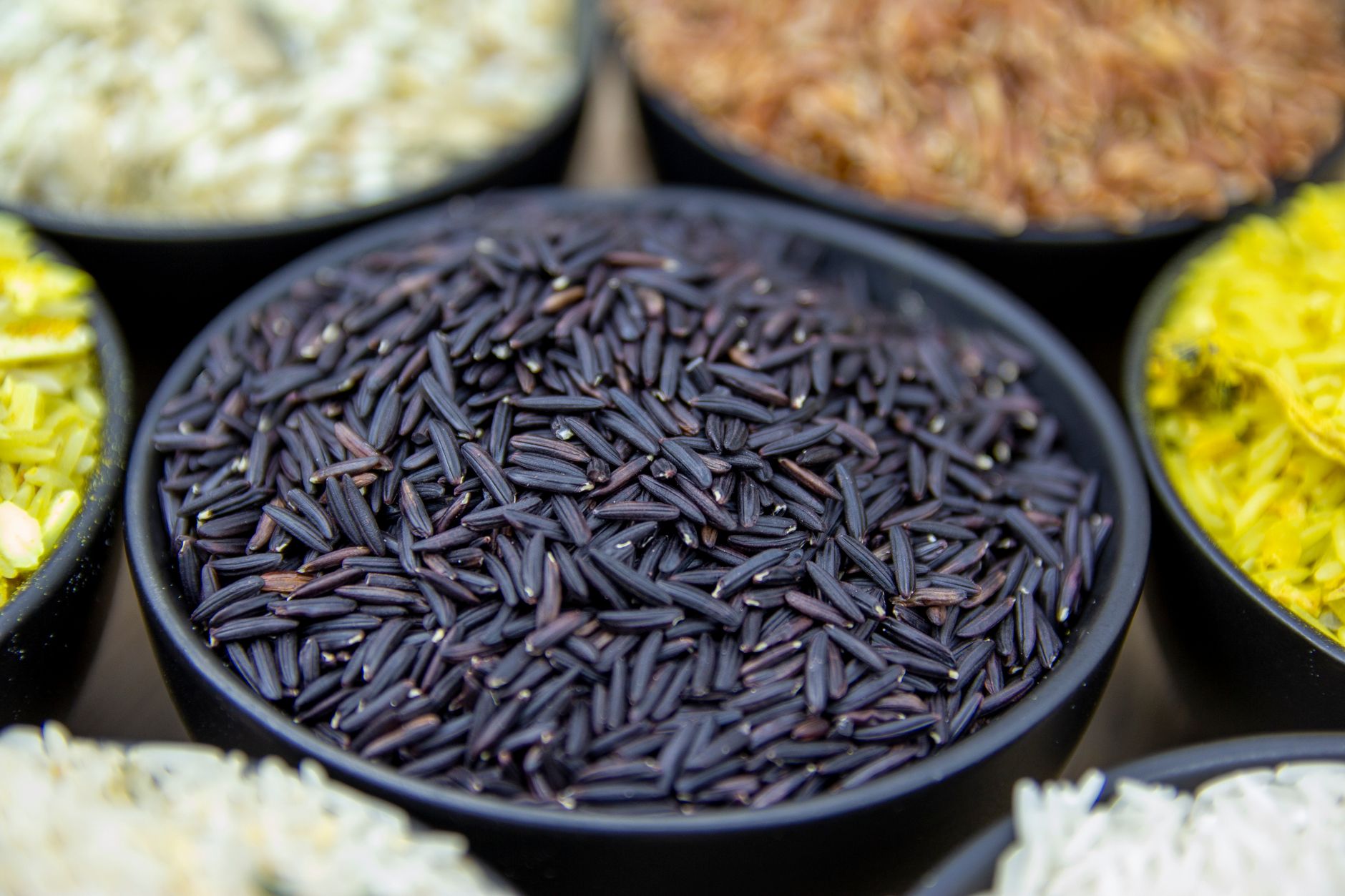
Grain plays a significant role in global cuisine, serving as a staple for many cultures. It encompasses a wide variety of edible seeds from cereal crops, such as wheat, rice, and corn, each with unique characteristics and uses.
Understanding what grain is not only enhances your cooking but also allows you to appreciate its diverse flavors, textures, and nutritional values. This article will delve into the types of grains, their flavor profiles, and how to effectively serve and incorporate them into meals.
What Is Grain?
Grain is the harvested seed of several grass species cultivated for food, livestock fodder, and other uses. The primary grains include wheat, rice, corn, barley, oats, and rye. Each grain has specific culinary applications and nutritional benefits.
Types of Grain
Grains can be categorized into two main types: whole grains and refined grains.
Whole Grains
Whole grains consist of the entire grain kernel, including the bran, germ, and endosperm. This means they retain most of their nutritional value. Common whole grains include:
- Brown rice
- Whole wheat
- Quinoa
- Barley
- Oats
- Millet
Refined Grains
Refined grains have been milled to remove the bran and germ, resulting in a finer texture but a loss of fiber and nutrients. Common examples include:
- White rice
- White flour
- Cornmeal
- Semolina
Flavor Profiles of Grains
The flavor of grains can vary significantly depending on their type and preparation method. Understanding these flavors can help enhance your cooking.
Wheat
Wheat grains have a mild, nutty flavor. This versatility makes wheat staples like pasta and bread incredibly popular worldwide.
Rice
Rice offers a neutral taste that acts as a perfect canvas for other flavors. Different varieties like jasmine or basmati add aromatic nuances to dishes.
Corn
Corn generally has a sweet flavor profile, especially in varieties like sweet corn. Cornmeal adds a slightly gritty texture to dishes, enhancing flavor complexity.
Quinoa
Quinoa has a slightly nutty flavor complemented by a fluffy, somewhat crunchy texture. This grain is popular in health-conscious diets due to its complete protein content.
Barley
Barley has a chewy texture and a mild, nutty flavor, making it ideal for soups and stews. Its ability to absorb flavors makes it a favored ingredient in many dishes.
How to Serve Grains
Grains can be prepared and served in various ways, from sides to centerpieces in meals. Here are some popular serving methods.
Cooking Techniques
Grains can be boiled, steamed, toasted, or baked. Here’s a breakdown of common cooking methods for several types:
Boiling
- For rice, use a 2:1 water to rice ratio.
- Bring water to a boil, add rice, cover, and reduce to a simmer until the liquid is absorbed.
Steaming
- Quinoa is often steamed to enhance its fluffy texture.
- Rinse quinoa to remove the bitter saponins, then cook in water or broth for added flavor.
Toasting
- To toast grains like barley or farro, heat them in a dry skillet until fragrant before adding water for cooking.
- This method enhances their nutty flavor.
Baking
- Many recipes for bread or baked goods use whole grain flour.
- Use recipes that provide hydration levels suitable for whole wheat to achieve the desired texture.
Grain-Based Dishes
Grains serve as the foundation for various dishes around the world. Here are some examples:
- Risotto – Creamy rice dish often made with arborio rice.
- Oatmeal – Common breakfast dish made with rolled or steel-cut oats.
- Polenta – A hearty cornmeal dish that can be served creamy or set and sliced.
- Barley Salad – A refreshing summer salad featuring cooked barley, vegetables, and a dressing.
Ingredient Substitutions
Understanding how to substitute grains is essential for cooking flexibility. Here are some practical options:
Replacing Rice
Quinoa or cauliflower rice can substitute for white rice in most dishes, adding protein or lowering carbohydrates, respectively.
Replacing Wheat
For a gluten-free option, try brown rice flour or almond flour as substitutes in pancakes or baking. Note that this may change the texture and flavor.
Replacing Cornmeal
Polenta can stand in for cornmeal in several recipes. Alternatively, ground oats can offer a similar texture in some dishes.
Common Mistakes and Troubleshooting
Cooking grains may seem straightforward, but beginners can make some common errors. Here are troubleshooting tips to improve outcomes.
Overcooking or Undercooking Rice
- Measurements are crucial; always follow the water-to-rice ratio for best results.
- If rice is too chewy, add a bit more water and cover to steam for a few minutes.
Bitterness in Quinoa
- Always rinse quinoa before cooking to remove the natural saponins that can impart bitterness.
- Using broth rather than water can also enhance flavor.
Clumpy Oats
- Ensure ample liquid when cooking oats; cooked oats should be creamy and not dry.
- A bit of stirring during cooking can help achieve a uniform texture.
Storage and Preservation of Grains
Grain storage is essential for maintaining freshness and preventing spoilage. Here are some guidelines to consider:
Storing Whole Grains
- Keep whole grains in a cool, dry place in airtight containers to prolong shelf life.
- Whole grains can last for several months at room temperature, but refrigeration increases their longevity.
Storing Cooked Grains
- Store cooked grains in an airtight container in the refrigerator for up to five days.
- Grains can also be frozen for up to six months; just make sure to label the container with the date.
Grains in Different Cuisines
Grains are integral to various cuisines, each showcasing unique grains and preparing them in distinct ways:
Asian Cuisine
Rice is predominant in many Asian cuisines. Dishes like sushi rice, fried rice, and congee highlight its versatility. Additionally, rice noodles and dumplings made with wheat showcase the grain’s adaptability.
Middle Eastern Cuisine
Bulgar wheat is a cornerstone in dishes like tabbouleh and kibbeh. Couscous, made from semolina, serves as a base for many meals, absorbing rich flavors from accompanying stews.
European Cuisine
Whole grains have long been celebrated in European recipes, such as barley soup, polenta in Italy, and various breads that showcase regional grains like spelt and rye.
American Cuisine
American cuisine often incorporates corn through cornbread, tortillas, and polenta. Whole wheat and other grains are also popular in baked goods, cereals, and health-conscious dishes.
Dietary Considerations
Grains can be a nutritious component of a balanced diet, but it’s vital to consider individual dietary restrictions.
Gluten-Free Diets
For individuals with celiac disease or gluten sensitivity, grains like quinoa, rice, and corn provide excellent alternatives. Always check for cross-contamination in processed foods.
Low-Carbohydrate Diets
While many grains are higher in carbohydrates, alternatives like cauliflower or other non-starchy vegetables can help lower carb intake.
Conclusion
Grains are versatile ingredients that provide a wide range of flavors, textures, and nutritional benefits. Learning to cook with various grains can enhance your culinary skills while broadening your diet.
Explore a variety of grains and try new recipes to discover their potential in your everyday cooking.
For delicious recipes, consider trying your hand at chia pudding or delve into baking with einkorn sourdough bread.