
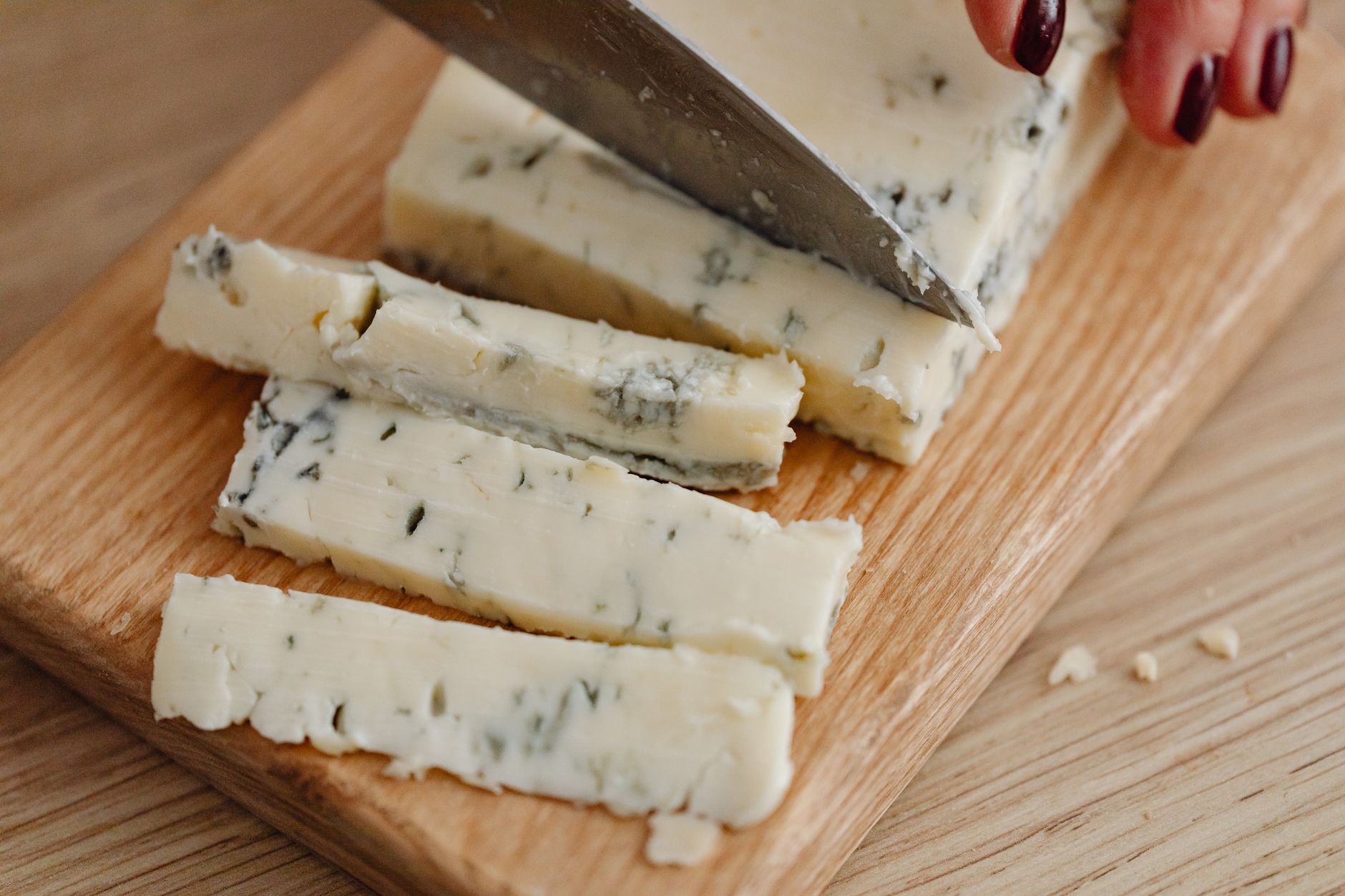
Gorgonzola is a renowned blue cheese originating from Italy, characterized by its rich, creamy texture and bold, tangy flavor. With its distinct aroma and veined appearance, this cheese is a favorite among cheese enthusiasts and chefs alike, often used to elevate dishes or enjoyed on its own.
The preparation of Gorgonzola celebrates traditional cheesemaking, utilizing cow’s milk and specific molds to cultivate its unique qualities. As you explore the world of Gorgonzola, you will discover its versatility in various culinary applications and learn how to best pair it with other ingredients.
What Is Gorgonzola?
Gorgonzola is a blue cheese that comes from the northern regions of Italy, particularly the provinces of Piedmont and Lombardy. It is made from cow’s milk and is known for its characteristic blue-green veins caused by the mold Penicillium roqueforti. Gorgonzola can be divided into two main varieties: Gorgonzola Dolce, a sweeter and creamier version, and Gorgonzola Piccante, which is firmer, saltier, and more pungent.
The History of Gorgonzola
Gorgonzola cheese has a rich history dating back to at least the 9th century. Originally made as a peasant cheese, it quickly gained popularity among nobility and became commercially produced in the 19th century. Today, it is produced under strict regulations, and the Gorgonzola name is protected by the European Union as a Protected Designation of Origin (PDO) product.
Flavor Profile and Texture
The flavor of Gorgonzola can vary significantly between its two main styles. Gorgonzola Dolce offers a milder, creamier taste, with sweet notes and a luscious texture. In contrast, Gorgonzola Piccante has a sharper, more complex flavor with robust and spicy undertones, making it a more intense experience. The texture ranges from soft and spreadable in Dolce to crumbly and dense in Piccante.
Culinary Uses of Gorgonzola
Gorgonzola is incredibly versatile and can be used in various culinary applications, including:
- Cheese platters: Pair Gorgonzola with fruits such as pears, figs, or apples, and serve with nuts and honey.
- Salads: Crumble Gorgonzola over fresh greens and dress with balsamic vinaigrette for a flavorful salad.
- Pasta dishes: Incorporate it into sauces for a creamy and rich flavor, or toss with pasta and vegetables.
- Pizza: Use as a topping for gourmet pizzas, complementing ingredients like walnuts, caramelized onions, or prosciutto.
- Desserts: Combine with dark chocolate for a unique dessert experience or pair with ice cream.
How to Store Gorgonzola
Proper storage is essential to maintain the quality and flavor of Gorgonzola. Here are some tips:
- Keep Gorgonzola refrigerated in its original packaging or wrapped in wax paper to prevent it from drying out.
- Store it in an airtight container to minimize exposure to other odors and flavors in the fridge.
- Consume it within a week or two after opening for the best flavor and texture, though it may remain safe to eat for longer.
Choosing and Pairing Gorgonzola
When selecting Gorgonzola, consider factors such as texture and aroma. For a creamier cheese, opt for Gorgonzola Dolce. If you prefer a more pungent flavor, choose Gorgonzola Piccante. Pair Gorgonzola with:
- Wines: Sweet white wines like Moscato, or bold reds like Cabernet Sauvignon.
- Fruits: Pair with ripe fruits such as pears, apples, or grapes.
- Nuts: Walnuts and almonds can enhance the cheese’s flavor.
- Breads: Serve with crusty bread or crackers for a delightful snack.
Cooking with Gorgonzola: Techniques and Tips
Using Gorgonzola in cooking requires an understanding of how its flavor behaves under heat or in various dishes. Here are some techniques and tips for cooking with Gorgonzola:
Making Gorgonzola Sauce
A Gorgonzola sauce can be a luxurious addition to dishes like steak or pasta. To make it:
- In a saucepan over medium heat, melt 2 tablespoons of butter.
- Add 1 minced garlic clove and sauté until fragrant.
- Pour in 1 cup of heavy cream and let it simmer for 2-3 minutes.
- Crumble in 4 ounces of Gorgonzola and stir until melted and well combined.
- Season with salt and pepper to taste. Serve warm over your favorite dish.
Roasting with Gorgonzola
Try roasting vegetables with Gorgonzola for a flavorful side dish. Drizzle vegetables like Brussels sprouts or cauliflower with olive oil, season with salt and pepper, and sprinkle crumbled Gorgonzola on top before roasting at 400°F for 25-30 minutes, until tender and golden.
Serving Suggestions
For an elegant presentation, serve Gorgonzola as part of a cheese board with various accompaniments:
- Include a selection of fruits like dried apricots and grapes.
- Add a variety of nuts such as pecans and hazelnuts.
- Incorporate different types of bread, including baguette slices and artisan crackers.
Substitutions for Gorgonzola
If you need an alternative to Gorgonzola in a recipe, consider these options:
- Roquefort: Another blue cheese that offers a similar flavor profile but with a creamier texture.
- Stilton: A British blue cheese that is milder than Gorgonzola but can be an excellent substitute.
- Feta: For salads, feta provides a tangy kick, though it lacks the creaminess of Gorgonzola.
Keep in mind that substitutions will alter the flavor and texture of your dish, so adjust seasonings accordingly.
Common Mistakes with Gorgonzola
To ensure the best experience when cooking or serving Gorgonzola, avoid these common mistakes:
- Overheating: Avoid overheating Gorgonzola to preserve its flavor and creamy texture.
- Ignoring pairings: Pay attention to flavor pairings to enhance your dish rather than overwhelm it.
- Neglecting freshness: Gorgonzola should be consumed before its expiration date to ensure optimal flavor.
Gorgonzola Around the World
While Gorgonzola’s roots are in Italy, its popularity has inspired various culinary traditions worldwide. Chefs in different countries incorporate Gorgonzola into local dishes, blending its unique flavor with regional ingredients. For example, in the United States, Gorgonzola is frequently used in dressings and dips, while in France, it may appear in gourmet tartlets or as a topping for savory galettes.
Enjoying Gorgonzola
Ultimately, enjoying Gorgonzola is about appreciating its distinctive flavors and experimenting with how it can enhance your culinary creations. As you incorporate this cheese into your meals, you might find new ways to savor its rich taste and creamy texture.
Conclusion
Gorgonzola is more than just a blue cheese; it is a culinary gem with a history rich in tradition. Its versatility lends itself beautifully to various dishes, whether enjoyed on a cheese platter, incorporated into a savory sauce, or used as a key ingredient in gourmet cuisine. The next step is to explore your own creativity with Gorgonzola, trying out a new recipe or pairing that excites your palate.
For more delicious inspiration, check out our other guides on diverse cheeses, creative pasta dishes, or gourmet cheese platters.