
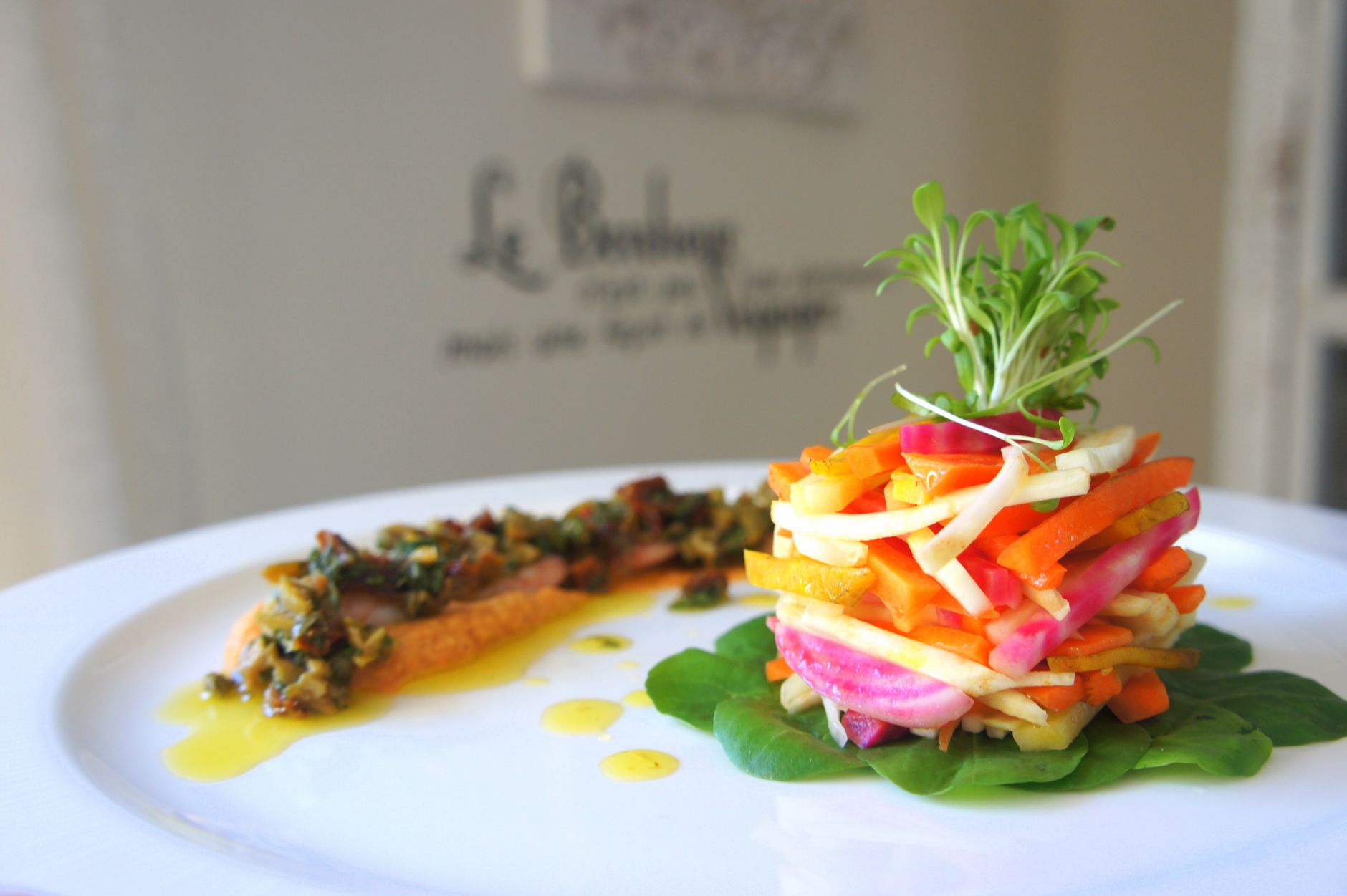
Maintaining good eye health is essential, and one of the most effective ways to support your vision is through proper nutrition. Specific foods contain vital nutrients that promote eye health, reduce the risk of age-related eye conditions, and improve overall vision. This article will explore what is good for your eyes, focusing on nutrient-rich foods, their benefits, and how to incorporate them into your diet.
The key nutrients for eye health are vitamins A, C, and E, omega-3 fatty acids, and antioxidants such as lutein and zeaxanthin. Understanding these nutrients and the foods that provide them can help you make informed choices to improve your eye health.
What Is Good for Your Eyes?
Foods rich in certain nutrients play a critical role in maintaining eye health. Incorporating a variety of fruits, vegetables, nuts, seeds, and fatty fish can provide the necessary vitamins and minerals that promote vision and safeguard against eye diseases.
Key Nutrients for Eye Health
Each nutrient has specific benefits for your eyes, and incorporating a range of these foods can create a well-rounded diet beneficial for eye health.
1. Vitamin A
Vitamin A is essential for maintaining good vision, particularly in low-light conditions. It helps form rhodopsin, a protein in your eyes that enables you to see in dim light.
- Foods High in Vitamin A:
- Carrots
- Sweet potatoes
- Kale
- Spinach
- Eggs
2. Vitamin C
This powerful antioxidant protects the eyes against oxidative damage and may reduce the risk of cataracts. Vitamin C also supports the health of blood vessels in the eyes.
- Foods High in Vitamin C:
- Citrus fruits (oranges, lemons, grapefruits)
- Strawberries
- Bell peppers
- Broccoli
- Brussels sprouts
3. Vitamin E
Vitamin E is another antioxidant that helps prevent oxidative stress in the eye, potentially lowering the risk of age-related macular degeneration (AMD).
- Foods High in Vitamin E:
- Nuts (almonds, hazelnuts)
- Seeds (sunflower seeds)
- Spinach
- Avocado
- Fortified cereals
4. Omega-3 Fatty Acids
Omega-3 fatty acids are critical for maintaining retinal health and may help alleviate dry eyes. These essential fats are known for reducing inflammation.
- Foods High in Omega-3s:
- Fatty fish (salmon, mackerel, sardines)
- Chia seeds
- Flaxseeds
- Walnuts
5. Lutein and Zeaxanthin
These carotenoids are found in the retina and macular region of the eye, where they help filter harmful blue light and protect against oxidative stress.
- Foods High in Lutein and Zeaxanthin:
- Kale
- Spinach
- Collard greens
- Green peas
- Egg yolks
Incorporating Eye-Friendly Foods into Your Diet
Now that you know which nutrients and foods are beneficial for your eyes, here are some practical tips for incorporating these ingredients into your meals.
Breakfast Ideas
- Spinach and Mushroom Omelette: Whip up a delicious omelette using eggs, spinach, and mushrooms for a vitamin-rich breakfast.
- Berry Smoothie: Blend together a mix of strawberries, blueberries, and kale for a refreshing breakfast smoothie packed with vitamin C.
Lunch Options
- Quinoa Salad: Combine cooked quinoa with black beans, diced bell peppers, and avocado for a nutrient-dense lunch.
- Grilled Salmon Salad: Top a bed of mixed greens with grilled salmon, cherry tomatoes, and a sprinkle of walnuts to boost omega-3 intake.
Dinner Choices
- Sautéed Kale and Sweet Potatoes: Serve seasoned sautéed kale and roasted sweet potatoes as a flavorful side dish.
- Stir-Fried Vegetables and Fish: Stir-fry broccoli, carrots, and bell peppers with your choice of fatty fish for a well-rounded dinner.
Snack Suggestions
- Veggie Sticks with Hummus: Carrot and celery sticks with a side of hummus offer a great dose of beta-carotene.
- Nuts and Seeds: Enjoy a handful of almonds or sunflower seeds as a quick and nutritious snack.
Cooked vs. Raw: Which Is Better for Eye Health?
Whether cooked or raw, many eye-friendly foods offer benefits. For some vegetables, cooking can enhance the bioavailability of certain nutrients. For example, lightly steaming spinach increases the availability of lutein and zeaxanthin.
Conversely, raw fruits and vegetables can provide higher levels of certain vitamins and antioxidants. Aim for a mix of both to maximize the benefits. Including a variety of preparation methods will ensure you receive the full spectrum of nutrients.
Common Mistakes to Avoid
While consuming eye-friendly foods is crucial, there are some common mistakes you might encounter:
- Skipping Variety: Focusing on only a few eye-friendly foods can lead to nutrient gaps. Aim for various colors and types of produce.
- Ignoring Portions: Even healthy foods can contribute to weight gain when consumed in large amounts. Focus on moderation.
- Neglecting Hydration: Staying hydrated is key for overall eye health. Ensure adequate water intake alongside your nutrient-rich meals.
Potential Eye Issues and Their Nutritional Links
Understanding common eye conditions and their connections to nutrition can encourage more proactive meal planning:
1. Age-Related Macular Degeneration (AMD)
AMD can lead to vision loss and is linked to nutrient deficiencies, particularly antioxidants. Rich sources of vitamin C, E, and beta-carotene may help reduce the risk.
2. Cataracts
Oxidative stress can contribute to cataract formation. Consuming plenty of vitamin C and E can help minimize this risk.
3. Dry Eyes
An insufficient intake of omega-3 fatty acids can lead to dry eye syndrome. Regularly including fatty fish or ground flaxseeds can support tear production.
Meal Planning for Eye Health
Planning nutritious meals can ensure you consistently consume eye-friendly foods. Follow these simple steps to create balanced meal plans that promote good vision:
- Choose a Variety of Colors: Select fruits and vegetables of different colors to maximize nutrient diversity.
- Incorporate Healthy Fats: Use olive oil or avocado in salads and cooking to provide essential fats.
- Plan for Snacks: Include easy-to-grab snacks like nuts or carrot sticks to maintain energy levels and get essential nutrients.
- Batch Cook: Prepare larger portions of healthy dishes, so you always have nutritious meals ready to go.
Eye-Healthy Recipes
Here are a few recipes that incorporate all the important nutrients for eye health:
Chia Seed Pudding
This creamy pudding is nutrient-dense and simple to prepare, making it a great option for breakfast or snacks.
- Ingredients:
- 1 cup almond milk
- 1/4 cup chia seeds
- 1-2 tablespoons honey or maple syrup (optional)
- Fresh berries (strawberries, blueberries)
- Nuts or seeds (for topping)
Preparation: In a bowl, combine almond milk, chia seeds, and sweetener if desired. Stir well, cover, and refrigerate for at least 4 hours or overnight until thickened. Top with fresh berries and nuts before serving.
Veggie and Quinoa Salad
This salad is bursting with nutrients and flavor, providing a perfect side dish or light meal.
- Ingredients:
- 1 cup cooked quinoa
- 1 cup cherry tomatoes, halved
- 1 bell pepper, diced
- 1/2 cucumber, diced
- 1/4 red onion, finely chopped
- 1 avocado, diced
- 2 tablespoons olive oil
- Juice of 1 lemon
- Salt and pepper to taste
Preparation: In a large bowl, combine quinoa, tomatoes, bell pepper, cucumber, red onion, and avocado. In a separate bowl, whisk together olive oil, lemon juice, salt, and pepper. Pour the dressing over the salad and toss gently.
Storage and Reheating Tips
For perishable items, such as cooked vegetables and grains, ensure proper storage to maintain freshness and nutrient levels:
- Store cooked meals in airtight containers and refrigerate them if consumed within a few days.
- Freeze leftovers to prolong their shelf life, making sure to label containers with dates.
- When reheating, use low heat to prevent nutrient loss, especially for vegetables.
In conclusion, prioritizing eye health through nutrition plays a significant role in maintaining and improving vision. Incorporating various fruits, vegetables, fish, nuts, and seeds into your diet can provide essential nutrients to support your eyes.
Take a proactive approach to your eye health by planning meals that include eye-friendly ingredients. Consider trying nutritious recipes that utilize ingredients like chia seeds and quinoa to maximize your nutrient intake. Explore related recipes or nutrition guides for more ideas on how to enhance your diet.