
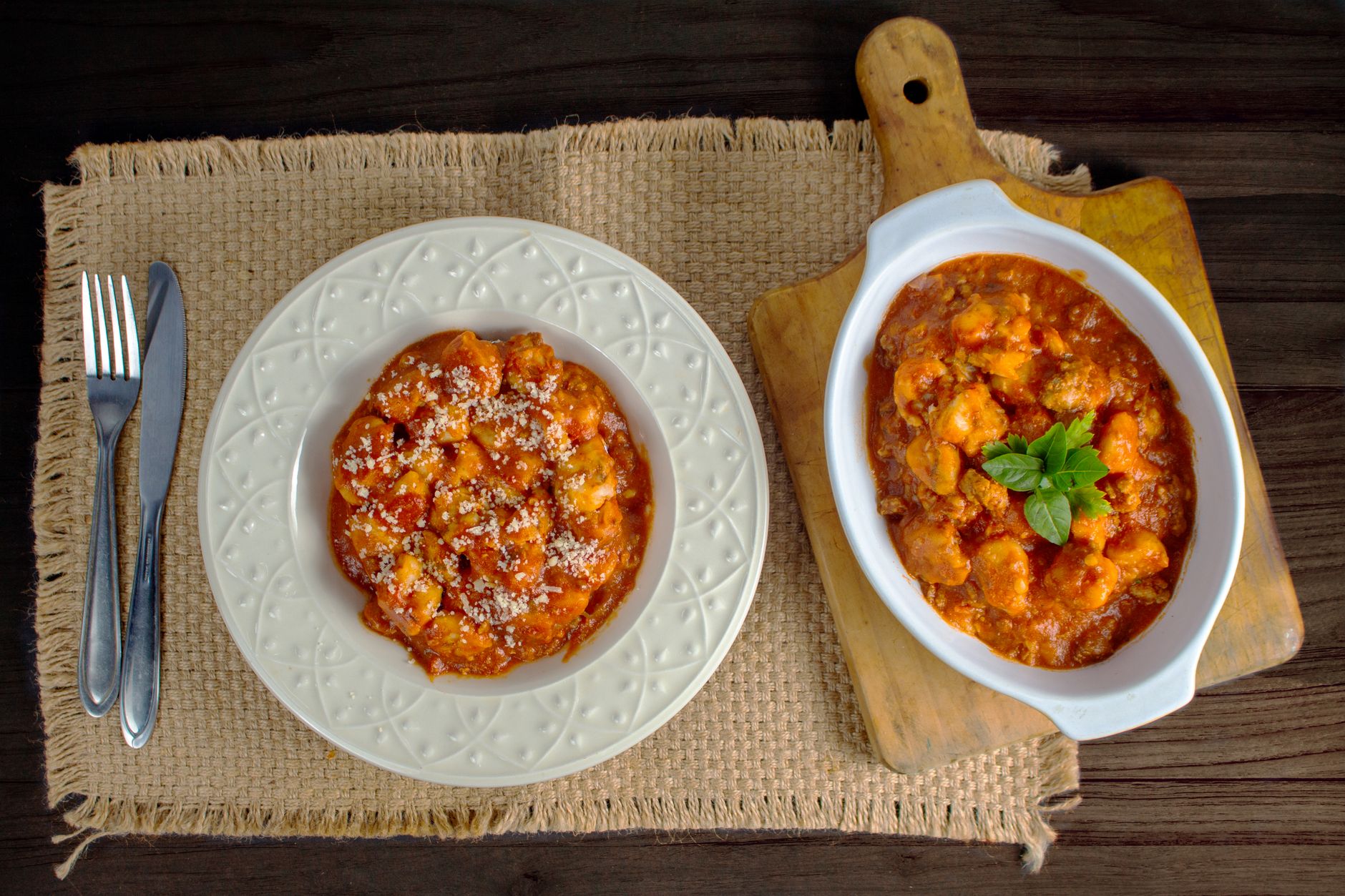
Gnocchi is an Italian dish that consists of small dumplings made primarily from potatoes, flour, and eggs. Known for its soft, pillowy texture and versatility, gnocchi can serve as a delicious base for a variety of sauces and toppings, making it a beloved favorite in many households.
This article will explore the ingredients used to make gnocchi, its flavor profile, and various ways to serve it. Whether you’re new to cooking Italian cuisine or simply looking to expand your culinary repertoire, understanding gnocchi is an excellent step in your culinary journey.
What Is Gnocchi?
Gnocchi are small, soft dumplings that are a staple of Italian cuisine. Traditionally made from potatoes, flour, and sometimes eggs, they can also be prepared using various other ingredients like ricotta or semolina. The name “gnocchi” translates to “lumps” in Italian, which accurately describes their shape and texture.
Ingredients in Gnocchi
The primary ingredients in gnocchi can vary based on the recipe and regional variation, but here are the most common ones:
- Potatoes: The base of most gnocchi recipes, potatoes provide the necessary starch for the dumplings.
- Flour: All-purpose flour is typically used to bind the potatoes together. The amount may vary depending on the moisture content of the potatoes.
- Eggs: Adding eggs increases the richness and helps the gnocchi hold together, creating a softer texture.
- Salt: This essential ingredient enhances the overall flavor of the dumplings.
- Nutmeg: While optional, a pinch of grated nutmeg can add a subtle warmth to the flavor profile.
Variations of Gnocchi
While potato gnocchi is the most famous version, there are several variations worth exploring:
- Ricotta Gnocchi: Made with ricotta cheese instead of potatoes, this version is lighter and fluffier.
- Semolina Gnocchi: This type uses semolina flour, resulting in a slightly firmer texture, often cooked in a sauce or baked.
- Vegetable Gnocchi: Incorporating pureed vegetables like spinach or pumpkin can add color and flavor.
- Gluten-Free Gnocchi: Made with gluten-free flour blends or potato flour for those with dietary restrictions.
Flavor Profile and Texture
Gnocchi is known for its delicate flavor and light, fluffy texture. The potato-based dumpling has a subtle, earthy flavor that pairs well with a range of sauces from rich and creamy to light and herbal. Because gnocchi acts like a sponge, it absorbs flavors well, making it an excellent partner for various toppings.
Common Pairings and Sauces
Here are some popular sauce options to serve with gnocchi:
- Brown Butter Sage Sauce: A classic Italian preparation where butter is browned and combined with fresh sage leaves for a nutty flavor.
- Tomato Sauce: A simple marinara or rich tomato sauce works excellently, providing acidity that balances the softness of the gnocchi.
- Pesto: Fresh basil pesto or other variations like sun-dried tomato pesto provide a vibrant and aromatic topping.
- Alfredo Sauce: Creamy sauces add richness, creating a comforting dish.
How to Make Gnocchi at Home
Making gnocchi from scratch is a rewarding process that can yield delicious results. Below is a basic recipe to help you get started.
Yield and Timing
This recipe makes about 4 servings, with an estimated preparation time of 30 minutes and a cooking time of 20 minutes. Total time is about 50 minutes.
Ingredients
- 2 pounds of potatoes (preferably russet)
- 1 to 1.5 cups of all-purpose flour
- 1 large egg
- Salt to taste
- Pinch of nutmeg (optional)
Essential Equipment
- Potato peeler
- Large pot for boiling
- Fork or potato masher
- Work surface or large bowl
- Knife or bench scraper
- Flour for dusting
Step-by-Step Method
- Cook the Potatoes: Place whole, unpeeled potatoes in a pot of cold, salted water. Bring to a boil and cook until tender, about 30-40 minutes. Drain and let cool slightly.
- Peel and Mash: Once cool enough to handle, peel the potatoes and rice them or mash until smooth. Allow to cool completely.
- Add Flour and Egg: On a clean work surface or in a bowl, form a well with the cooled mashed potatoes. Add 1 cup of flour, the egg, salt, and optional nutmeg into the well. Mix gently until the ingredients are combined.
- Knead the Dough: Gradually incorporate the remaining flour, kneading just until a soft dough forms. Be careful not to over-knead; it should be just smooth and pliable, not sticky.
- Shape the Gnocchi: Divide the dough into 4 portions. Roll each portion into a long rope about 1 inch in diameter. Cut into 1-inch pieces. Optionally, use the back of a fork to create ridges, which help sauce adhere.
- Cook the Gnocchi: Bring a large pot of salted water to a gentle boil. Drop the gnocchi into the boiling water in batches. When they float to the surface, they are done, which should take about 2-3 minutes. Remove with a slotted spoon and drain.
- Serve: Toss cooked gnocchi in your desired sauce and serve immediately. Enjoy your homemade dumplings!
Common Mistakes and Troubleshooting
While making gnocchi is generally straightforward, some common issues can arise:
- Sticky Dough: If your dough is too sticky, gradually add more flour. Avoid adding too much flour, or the gnocchi can become dense.
- Gnocchi Falling Apart: If gnocchi disintegrate in the water, the dough may be too wet or the gnocchi may have been overcooked. Ensure the dough is well-balanced in ingredients and keep a close eye on cooking times.
Serving Suggestions
Gnocchi can be served in various ways to complement its flavors and textures:
- As a Main Dish: Pair it with hearty sauces like bolognese or chicken Alfredo for a filling meal.
- As a Side Dish: Serve it alongside roasted vegetables or proteins such as chicken or fish, allowing it to soak up the flavors.
- In a Salad: Allow cooked gnocchi to cool and toss with vibrant, fresh vegetables and a light vinaigrette for a unique salad dish.
Make-Ahead and Storage Tips
Gnocchi can be made ahead of time and stored for future meals:
- To Freeze: Place uncooked gnocchi in a single layer on a baking sheet and freeze until solid. Transfer to an airtight container or freezer bag. They can be cooked directly from the freezer.
- Refrigeration: Cooked gnocchi can be refrigerated in an airtight container for up to three days. Reheat by sautéing in butter or sauce on the stove.
Gnocchi Around the World
Though traditionally Italian, gnocchi has inspired variations in other cuisines. In South America, you can find dumplings similar to gnocchi made with local ingredients, often served in rich stews. Exploring these different adaptations can offer insights into how versatile this staple can be.
Cultural Significance of Gnocchi
In Italy, gnocchi holds a special place in both family gatherings and fine dining. It’s commonly enjoyed on “Gnocchi Thursdays,” a tradition that sees families preparing and enjoying homemade gnocchi together. This reflects the broader cultural practices around sharing meals, emphasizing the importance of food in familial bonds.
Conclusion
Gnocchi is more than just a dish; it embodies the essence of Italian cooking — simple ingredients coming together to create something special. Whether you opt for traditional potato gnocchi or try your hand at variations like ricotta or vegetable versions, mastering this dish can elevate your culinary skills. Take the next step to create delightful meals by exploring more about cooking methods, sauces, or other Italian pasta recipes.
For more exciting recipes, consider exploring gluten-free gnocchi recipe or discovering how to make orecchiette pasta. These dishes will complement your newfound gnocchi skills perfectly.