
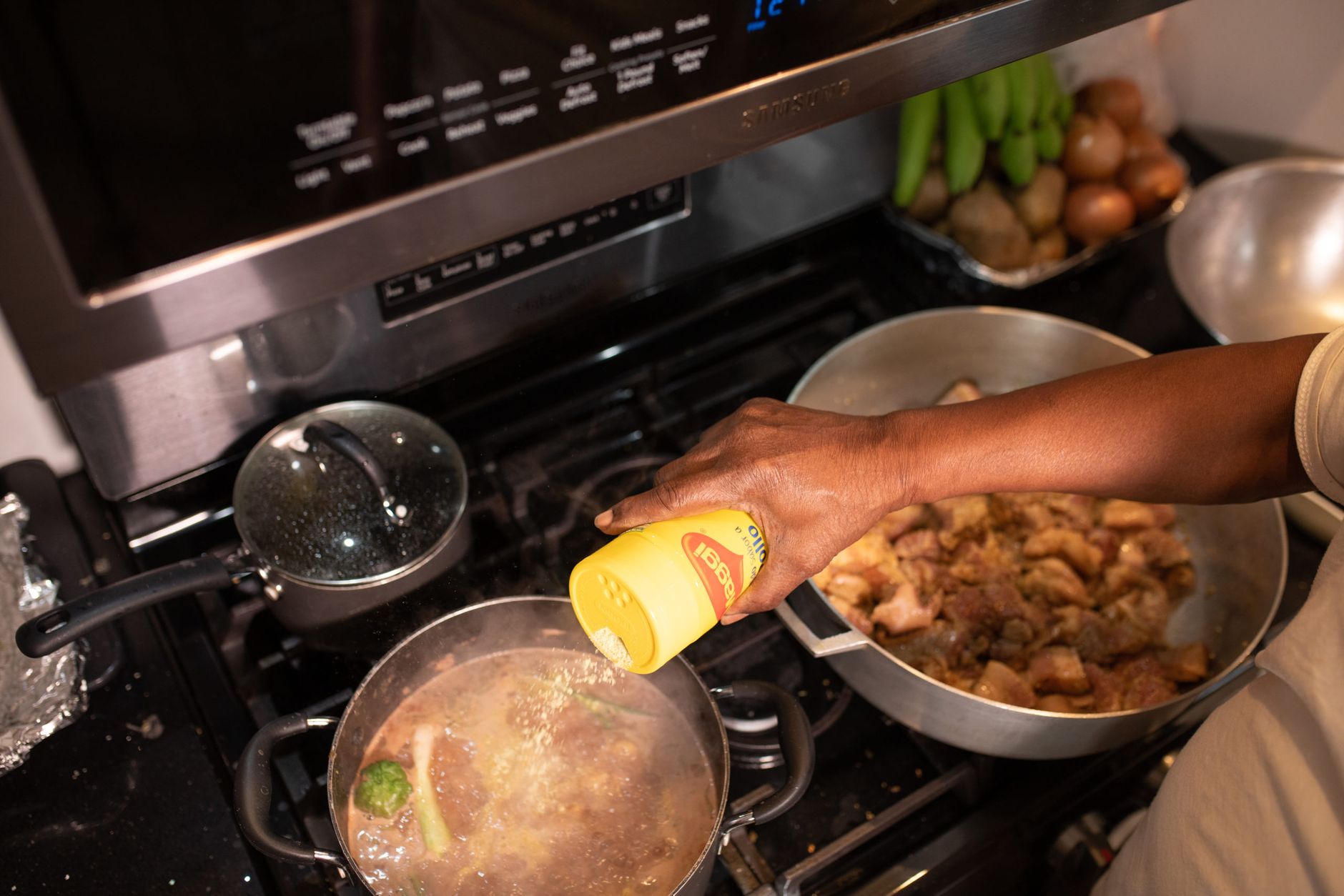
Fry seasoning is a versatile blend of spices and herbs designed to enhance the flavor of fried foods such as chicken, potatoes, and vegetables. Its unique combination of ingredients creates an irresistible savory taste, making it a favorite for home cooks and professional chefs alike.
In this guide, we will explore what fry seasoning is, how to prepare it, ways to use it in cooking, and tips for serving. Whether you’re looking to create your own blend or use store-bought seasoning, this article provides essential details to give your fried dishes that extra kick.
What Is Fry Seasoning?
Fry seasoning is a spice blend that typically includes various herbs and spices, aiming to enhance the flavor profile of fried foods. While individual recipes can vary greatly, common ingredients often include garlic powder, onion powder, paprika, cayenne pepper, black pepper, and salt. Some versions may also incorporate other spices like oregano, thyme, or even sugar for a touch of sweetness.
The beauty of fry seasoning lies in its ability to complement the natural flavors of the food while adding a delightful crunch and complexity to fried dishes. This seasoning is widely used across different cuisines and can be adjusted to suit personal preferences.
Ingredients for Fry Seasoning
Here’s a basic breakdown of the typical ingredients you might find in a standard fry seasoning mix:
- 2 tablespoons garlic powder
- 2 tablespoons onion powder
- 1 tablespoon paprika (smoked or sweet, depending on preference)
- 1 teaspoon cayenne pepper (adjust for heat preference)
- 1 teaspoon black pepper
- 2 teaspoons salt
- Optionally: 1 tablespoon dried thyme or oregano
Preparing Fry Seasoning
Making your own fry seasoning is simple and rewarding. Below are the steps to create this flavorful blend:
- Gather your ingredients. Ensure that they are fresh for the best flavor.
- In a bowl, combine all the dry ingredients. Mix well to ensure even distribution.
- For best results, use a whisk or a fork to break up any clumps that may form.
- Transfer the seasoning to an airtight container. Store it in a cool, dry place for up to six months.
How to Use Fry Seasoning in Cooking
Fry seasoning is incredibly versatile, and there are numerous ways to incorporate it into your cooking. Here are some popular methods:
1. Seasoning Protein
Before frying chicken or fish, coat the protein with a liberal amount of fry seasoning. To ensure it adheres well, consider marinating the protein in buttermilk or a beaten egg before applying the seasoning. This technique adds moisture and enhances flavor.
2. Flavoring Vegetables
When preparing fried vegetables, toss them in fry seasoning before cooking. This can be especially effective with potatoes, zucchini, or onion rings. You can also mix the seasoning with a bit of flour or cornstarch for an even coating.
3. Frying Potatoes
Home fries and French fries benefit greatly from fry seasoning. After frying, sprinkle the seasoning onto the hot potatoes to ensure it sticks. This adds a delightful flavor burst without any additional preparation.
4. Popcorn Snack
For a quick and flavorful snack, season freshly popped popcorn with fry seasoning. This alternative will introduce a unique twist to your snack time while providing a crunchy texture and savory profile.
Tips for Cooking with Fry Seasoning
Here are some tips to elevate your cooking using fry seasoning:
- Adjust to Taste: Feel free to modify the spice levels in your fry seasoning based on your taste preferences. Increase or decrease the cayenne pepper for more or less heat.
- Combine with Other Seasonings: Enhance the flavor by mixing fry seasoning with other herbs and spices, such as lemon zest, or a hint of cinnamon for a sweet and spicy kick.
- Experiment with Cooking Methods: While fry seasoning is perfect for frying, try using it on baked or air-fried dishes to enjoy the flavor without the extra oil.
- Fresh Ingredients: Always use fresh spices for maximum flavor. Old spices can lose their potency, resulting in a bland seasoning.
Common Mistakes to Avoid
Some pitfalls can undermine your efforts when using fry seasoning. Avoid these common mistakes:
- Too Much Salt: Excessive salt can overwhelm the dish. Start with less and adjust to taste.
- Inadequate Coating: Ensure the food item is well-coated with seasoning for optimal flavor. A light dusting won’t yield the same results.
- Not Prepping Ingredients: Always ensure marinated or coated proteins are patted dry before applying fry seasoning to avoid a soggy texture during frying.
Serving Suggestions
Serving fry-seasoned dishes can be as creative as the cooking process. Here are some ideas:
- Pair with dipping sauces like ranch, sriracha mayo, or aioli for added flavor.
- Serve alongside fresh salads to create a balanced meal.
- Garnish with fresh herbs or lemon wedges for a touch of brightness.
Storage and Shelf Life of Fry Seasoning
Proper storage is key to maintaining the freshness and potency of your fry seasoning. Follow these guidelines:
- Airtight Containers: Store your seasoning in glasses or plastic containers with tight-fitting lids.
- Cool, Dark Place: Keep the containers in a pantry or cupboard away from heat and sunlight.
- Shelf Life: Generally, fry seasoning can be stored for up to six months. However, regularly check for changes in aroma and flavor.
Variations of Fry Seasoning
Fry seasoning can vary by region and personal preference. Here are a few variations to try:
1. Cajun Fry Seasoning
For a spicy twist, incorporate dried herbs like oregano, thyme, and additional cayenne for heat.
2. Lemon Pepper Fry Seasoning
Add lemon zest and cracked black pepper to create a bright, tangy flavor that complements fried fish and chicken.
3. Southwestern Fry Seasoning
Mix in chili powder and cumin for a smoky, southwestern kick that’s perfect for fried veggies and nachos.
Fry Seasoning in Different Cuisines
Fry seasoning appears in several global cuisines with unique spins. Here are a few examples:
1. Southern Cuisine
In Southern cooking, fry seasoning is often associated with fried chicken, where the blend might include a mix of spices like paprika and cayenne pepper to enhance the flavor.
2. Latin American Cuisine
In Latin America, spices like cumin, coriander, and chili peppers might be included in fry seasoning mixes, embodying local flavors.
3. Asian Cuisine
Some Asian cuisines utilize fry seasoning with ingredients like five-spice powder or sesame, offering a different flavor perspective.
Conclusion
Fry seasoning is a delightful and adaptable way to infuse more flavor into your fried dishes. Whether you craft a blend at home or opt for store-bought versions, its versatility makes it a valuable addition to any kitchen. Enjoy experimenting with different spices and recipes to discover your perfect fry seasoning combination.
Explore more ideas like making your own fry seasoning, or try your hand at additional blends such as Taco Bell seasoning to keep your meals exciting and delicious.