
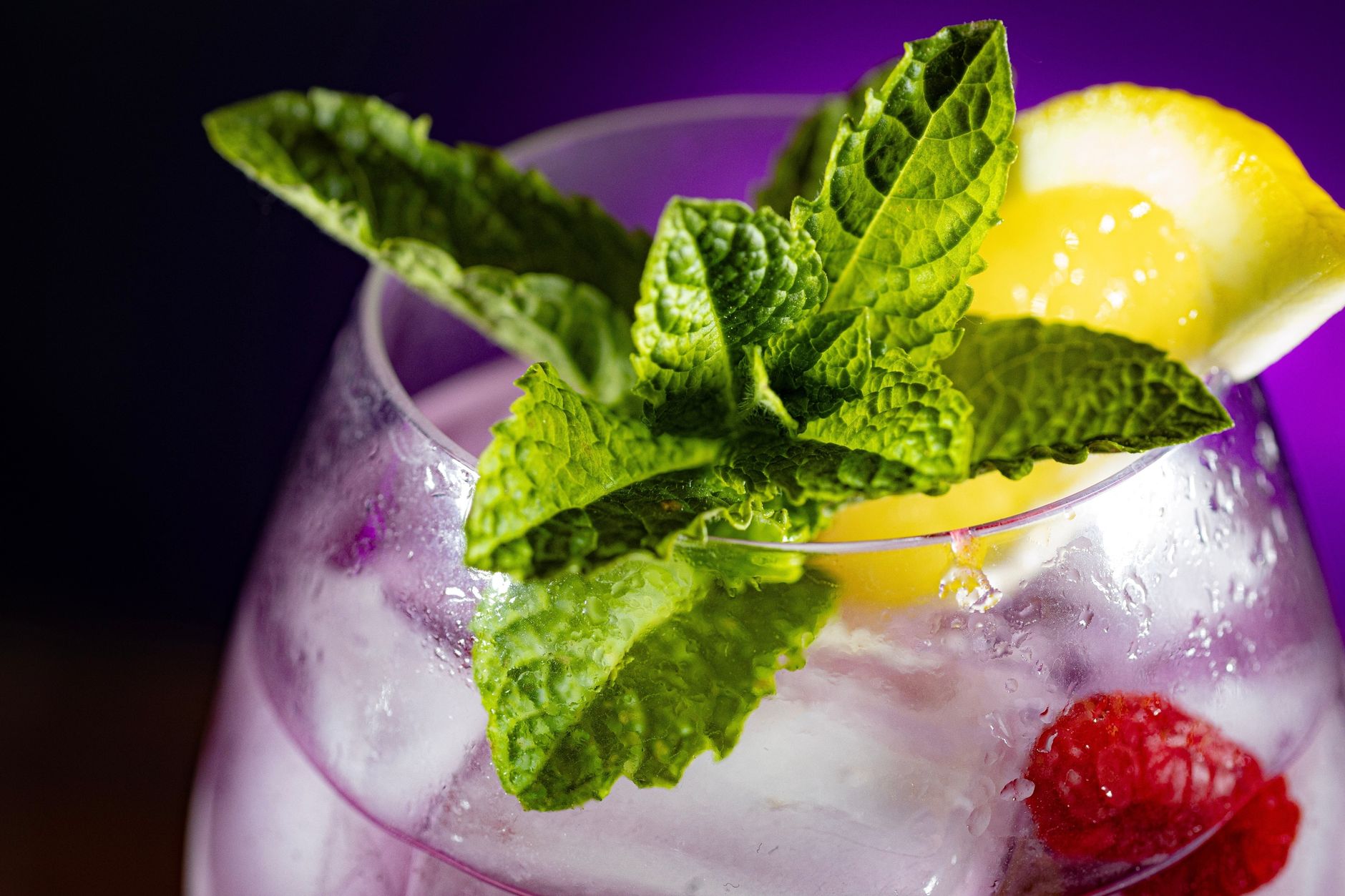
Framboise, a French term meaning raspberry, is a beloved fruit known for its rich flavor and versatility. It is commonly used in a variety of culinary applications, from desserts to beverages, and even as an ingredient in savory dishes. This article will take an in-depth look at what framboise is, its flavor profile, how to use it in cooking and baking, and the various ways to serve it.
In particular, we’ll explore the many forms of framboise, including its fresh fruit, purees, jams, and its famous liqueur, all while providing practical tips and recipes to help you incorporate this delightful ingredient into your kitchen repertoire.
What Is Framboise?
Framboise refers to raspberries, and it is often synonymous with raspberry liqueur, especially in the context of culinary uses. Fresh raspberries are small, round berries that have a vibrant red color and a deliciously sweet yet slightly tart flavor. They belong to the Rubus genus and are widely cultivated for their culinary value.
Framboise, in its liqueur form, is typically made by macerating fresh raspberries in a base spirit, often brandy, to extract their flavors, which are then sweetened to create a fruity alcoholic beverage. This liqueur is popular in cocktails, desserts, and sauces.
Ingredients of Framboise
The primary ingredient of framboise is, of course, raspberries. However, depending on the form of framboise you are using, additional ingredients may vary. Here’s a breakdown:
- Fresh Raspberries: The base fruit used in many recipes and preparations.
- Water: Often used in purées and sauces.
- Sugar: Commonly added to both fresh and processed forms to enhance sweetness and contribute to preservation.
- Alcohol: In the case of liqueur, brandy or other spirits are used to create the rich flavor profile.
- Citric Acid or Lemon Juice: May be added in recipes to balance sweetness and enhance flavor.
Flavor Profile of Framboise
Framboise is characterized by its vibrant, fruity flavor with a balance of sweetness and tartness. Fresh raspberries have a delicate, slightly floral aroma with notes of earthiness and juiciness. When made into a liqueur, the flavor becomes richer and more concentrated, with an added layer of warmth from the alcohol, complementing the inherent sweetness and tartness of the raspberries.
The fresh berry can be enjoyed raw or cooked, and it pairs beautifully with other fruits, cream, chocolate, and even some savory ingredients. The liqueur is sweet and smooth, making it an excellent addition to cocktails or desserts.
How to Use Framboise in Cooking and Baking
Framboise can be used in various culinary applications, from sweet to savory dishes. Here are some ideas on how to incorporate it into your cooking and baking:
Cooking with Fresh Raspberries
- Salads: Add fresh raspberries to green salads for a burst of flavor. They pair well with goat cheese, nuts, or balsamic vinaigrette.
- Sauces: Create a raspberry sauce by cooking fresh raspberries with sugar and water until thickened; it’s great over meats like duck or pork.
- Chutneys: Combine raspberries with spices, vinegar, and sugar for a unique chutney that can complement various dishes.
Baking with Raspberries
- Breads and Muffins: Incorporate fresh raspberries into muffin or bread batter for added flavor and moisture.
- Cakes: Use raspberries in layer cakes, cheesecakes, or pastries, either mixed into the batter or as a topping.
- Jams and Jellies: Make homemade raspberry jam or jelly to enjoy on toast or as a cake filling.
Using Framboise Liqueur
- Cocktails: Mix framboise with vodka, gin, or champagne for refreshing cocktails. It can also be added to fruit punches.
- Desserts: Drizzle framboise over ice cream, panna cotta, or chocolate mousse for a fruity finish.
- Pâtisserie Glaze: Use framboise liqueur to make a glaze for pastries or incorporate it into whipped cream as a flavor enhancer.
How to Serve Framboise
There are delightful ways to serve both fresh raspberries and framboise liqueur. Here are some ideas:
Serving Fresh Raspberries
- As a Snack: Serve fresh raspberries alone as a healthy snack or mixed with yogurt or cottage cheese.
- As a Topping: Use fresh raspberries as a topping for pancakes, waffles, or breakfast bowls.
- In Desserts: Create beautiful desserts using fresh raspberries, such as tarts, trifles, or fruit salads.
Serving Framboise Liqueur
- In Cocktails: Serve framboise liqueur in cocktails, either shaken or stirred, and alongside other mixers to complement flavors.
- As a Digestif: Serve chilled framboise liqueur as a digestif after meals; it acts as a delightful palate cleanser.
- With Desserts: Pair framboise liqueur with chocolate desserts, cheesecakes, or fruit-based dishes for enhanced flavor.
Practical Tips for Using Framboise
When cooking or baking with framboise, consider the following tips to maximize flavor and enjoyment:
- Always taste fresh raspberries before using; they should be sweet and not overly tart.
- When making sauces or jams, adjust sugar levels according to the tartness of the raspberries.
- Add framboise liqueur in moderation to avoid overpowering other flavors in your dish or drink.
- Store leftover fresh raspberries in the refrigerator and use them within a few days for the best quality.
Common Mistakes and Troubleshooting
While working with framboise, be mindful of some common mistakes:
- Overcooking Raspberries: When making sauces, avoid overcooking raspberries as they can turn mushy and lose their vibrant color.
- Too Much Sugar: If a recipe requires sugar, start with less than the recommended amount and gradually add more to reach the desired sweetness.
- Not Using Enough Flavor Balancing Ingredients: Using lemon juice or citric acid can enhance and balance the flavor of dishes with framboise.
Where to Buy Framboise
Fresh raspberries can be found at grocery stores, farmers’ markets, or local produce shops. When selecting raspberries, choose those that are plump, firm, and a vibrant color without any signs of mold or mushiness.
For framboise liqueur, visit liquor stores or specialty shops that carry a variety of liqueurs. Read labels to check for the quality and authenticity of the product to ensure you are getting a good quality product.
Storing and Preserving Framboise
Proper storage of fresh raspberries and framboise liqueur ensures freshness and flavor retention:
Storing Fresh Raspberries
- Keep fresh raspberries in their original container in the refrigerator and consume them within a few days.
- You can also freeze raspberries for later use. Spread them out on a baking sheet to freeze individually, then transfer to an airtight container or freezer bag.
Storing Framboise Liqueur
- Store unopened bottles of framboise liqueur in a cool, dark place. Once opened, it can typically be kept in the pantry or a bar cabinet.
- Refrigeration is not necessary, but it can help maintain flavor longer if preferred chilled.
Variations of Framboise
Various forms of framboise exist, each offering unique flavors and uses:
Different Types of Raspberries
- Red Raspberries: The most common variety, known for their bright flavor and versatility.
- Black Raspberries: Slightly sweeter and more aromatic than red raspberries.
- Golden Raspberries: A rare variety with a milder flavor and lovely color.
Fruity Alternatives
While framboise focuses on raspberries, other berries can provide variability in flavor. Consider:
- Blackberry liqueur or puree for a deeper, more robust flavor.
- Strawberry liqueur or puree for a pronounced sweetness and different texture.
- Mixed berry compote using raspberries, strawberries, and blackberries for a colorful dish.
Framboise in Regional Cuisines
Framboise is particularly popular in French and Belgian cuisines, where the liqueur often features in desserts and cocktails. In French patisserie, framboise is a staple ingredient, beautifully showcasing the sweet and tart balance in pastries and tarts.
In Belgium, raspberry beers or ales sometimes incorporate framboise for added depth and complexity, creating a unique beverage experience that highlights the fruit’s brightness while contrasting it with beer’s bitterness.
Many regions celebrate raspberry festivals during peak harvest seasons, showcasing their love for this small but mighty fruit, highlighting its culinary versatility.
Conclusion
Framboise represents more than just a delicious fruit; it encompasses a world of culinary possibilities. Whether you are using fresh raspberries in a dessert or pouring framboise liqueur into a cocktail, its exciting flavor is sure to add a burst of vibrancy to any dish or drink. Take some time to experiment with framboise in your cooking and discover its many delightful forms.
To explore more delicious recipes, cooking tips, and ingredient guides, consider visiting our section on fruit-based desserts or learn more about baking with berries. There’s always something new to get excited about in the kitchen!