
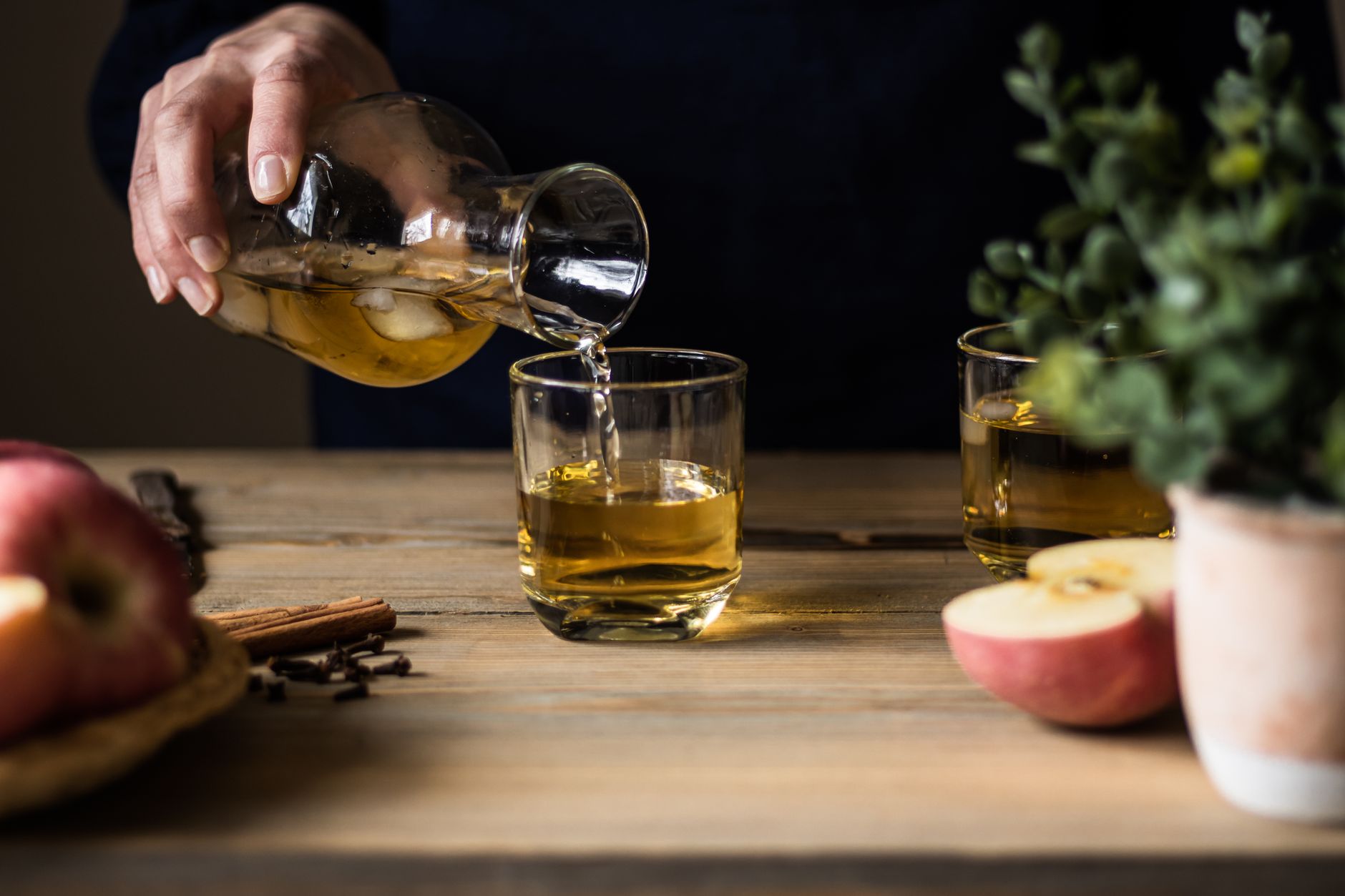
Fire cider is a spicy, tangy tonic made from raw apple cider vinegar and a blend of powerful ingredients, including garlic, horseradish, ginger, and hot peppers. This vibrant elixir is traditionally used for its immune-boosting properties and as a remedy for cold and flu symptoms.
With its complex flavor profile, fire cider can also be a zesty addition to salad dressings, marinades, and cocktails. Understanding how to make fire cider at home can be rewarding and surprisingly simple.
What Is Fire Cider?
Fire cider is a type of herbal tonic infused with various ingredients that impart both flavor and potential health benefits. The ingredients macerate together in apple cider vinegar to create a unique concoction that is tangy, spicy, and invigorating.
The traditional belief is that fire cider supports the immune system, aids digestion, and even possesses anti-inflammatory properties, although scientific evidence may vary. This herbal remedy is often homemade and can be tailored to individual tastes by adjusting the ingredients.
The Ingredients of Fire Cider
The beauty of fire cider lies in its flexibility. Here are the primary ingredients commonly used:
- Apple Cider Vinegar: This serves as the base for fire cider. Raw, unfiltered apple cider vinegar with the “mother” is preferred, as it contains probiotics that may enhance its benefits.
- Garlic: Known for its antimicrobial properties, garlic adds a robust flavor and offers health benefits.
- Ginger: Fresh ginger root contributes warmth and spice, promoting digestion and wellness.
- Horseradish: This root adds heat and may help clear sinuses.
- Hot Peppers: Any type of hot pepper can be used, enhancing heat and flavor; jalapeños and cayenne are popular choices.
- Honey: Optional, but often added to balance the acidity and spice with natural sweetness.
- Citrus: Lemon or orange zest can elevate the flavor and contribute vitamin C.
How to Make Fire Cider
Making fire cider at home is a straightforward process. Here is a detailed recipe to get you started:
Ingredients
- 2 cups raw apple cider vinegar
- 1 medium onion, chopped
- 10 cloves garlic, peeled and smashed
- 1/4 cup fresh ginger, grated
- 1/4 cup grated horseradish (or 2 tablespoons prepared horseradish)
- 1-2 fresh hot peppers, chopped (adjust to taste)
- 1 lemon, zested and juiced
- 1/4 cup honey (optional, adjust to taste)
Essential Equipment
- Quart-sized mason jar
- Grater and peeler
- Cheesecloth or fine mesh strainer
- Small funnel (optional)
Instructions
- Prepare the Ingredients: Begin by washing and chopping all the ingredients. Smash the garlic cloves, grate the ginger and horseradish, and chop the onion and hot peppers.
- Mason Jar Filling: Place all the chopped and grated ingredients into a quart-sized mason jar. Leave about an inch of headspace at the top.
- Add Apple Cider Vinegar: Pour the apple cider vinegar over the ingredients until they are completely submerged. You may need to use a small spoon to push the solid ingredients down slightly.
- Seal and Shake: Seal the jar tightly with a lid and gently shake to mix the contents.
- Infusion Period: Store the jar in a cool, dark place for at least 2-4 weeks. Shake the jar every few days to ensure the ingredients are well combined.
- Strain and Store: After the infusion period, use cheesecloth or a fine mesh strainer to strain the liquid into a clean jar. Squeeze out as much liquid as possible from the solids.
- Add Honey: If desired, mix in honey to taste. Stir well until dissolved.
Serving Suggestions
Fire cider can be consumed straight, diluted with water, or mixed into other beverages. Here are some serving ideas:
- Dilute for Drinking: Mix one to two tablespoons of fire cider with a glass of water, juice, or herbal tea.
- Salad Dressings: Incorporate fire cider into homemade vinaigrettes by combining olive oil, mustard, salt, and pepper.
- Marinades: Use fire cider as a base for marinades for chicken, fish, or tofu, enhancing flavor and tenderness.
- Cocktails: Mix fire cider with spirits like vodka or gin for a spicy twist on traditional cocktails.
Practical Tips for Making Fire Cider
Here are some tips to enhance your fire cider-making experience:
- Quality Matters: Choose organic and locally sourced ingredients whenever possible for the best flavor and potential health benefits.
- Adjust to Your Taste: Feel free to modify the ingredients based on your preferences. For example, you can add turmeric for its anti-inflammatory properties or use other herbs.
- Check the Vinegar Level: Ensure that all solid ingredients remain submerged in the vinegar to prevent mold growth during the infusion.
- Straining Techniques: Use a coffee filter along with cheesecloth for finer straining if you want to eliminate any small solids.
Common Mistakes and Troubleshooting
While making fire cider is relatively simple, a few pitfalls can occur. Here’s how to avoid them:
- Too Little Vinegar: If the vinegar isn’t covering the solids completely, add more. Exposed ingredients may spoil.
- Ignoring Storage Conditions: Fire cider should be stored out of direct sunlight in a cool place. Avoid placing it near a heat source.
- Unpleasant Fermentation: Sometimes, you might notice an off smell. This can happen if the infusion gets contaminated. If in doubt, discard it.
Variations on Fire Cider
While the traditional recipe is delightful, you can experiment with different variations to suit your palate:
- Turmeric Fire Cider: Add grated turmeric root or turmeric powder for an earthy flavor and added anti-inflammatory benefits.
- Herbal Fire Cider: Include herbs such as sage, rosemary, or thyme for a fragrant blend, although this may affect the overall infusion time.
- Fruity Fire Cider: Incorporate fruits like apple slices or berries to add a touch of sweetness and unique flavor.
Storage and Shelf Life
Properly stored fire cider can last for about a year when kept in a cool, dark spot. Here are some storage tips:
- Transfer fire cider into a clean glass container with a tight seal.
- Store it away from direct sunlight and heat.
- Once opened, continue to store it in ambient conditions; there’s no need to refrigerate.
Serving Size and Dosage
When consuming fire cider, moderation is key. Here are general dosage guidelines:
- Start with 1 tablespoon diluted in water, once a day.
- You can gradually increase to 1-3 tablespoons, depending on tolerance and personal preference.
Potential Health Benefits of Fire Cider
Though many people enjoy fire cider for its flavor, it’s often associated with various health benefits:
- Immune Support: The combination of garlic, ginger, and apple cider vinegar is thought to boost immune function.
- Digestive Aid: The acidic nature of apple cider vinegar may help improve digestion and gut health.
- Anti-Inflammatory Effects: Ingredients like ginger and turmeric have been noted for their potential anti-inflammatory properties.
Fire Cider in Popular Culture
Fire cider has gained popularity in health and wellness communities, particularly among those who favor natural remedies. Its versatility in drinks has made it a sought-after ingredient in trendy cocktails. Many artisanal producers now craft and sell their unique versions of fire cider, showcasing local flavors and ingredients.
Your personal fire cider can be a fun conversation starter at gatherings and may impress those interested in herbal remedies. Sharing your homemade creation can also inspire others to explore the world of natural tonics.
Final Thoughts on Fire Cider
This lively tonic not only serves as a delicious addition to your pantry but also offers a wealth of potential health benefits. The process of making fire cider is both straightforward and customizable, making it an ideal project for anyone interested in herbal remedies or homemade consumables.
To explore other homemade elixirs, consider trying hot honey or fire honey for unique flavor enhancements and versatile applications in your kitchen.
Discover more with our recipes for fire honey and hot honey, both of which can bring an exciting twist to your culinary endeavors.