
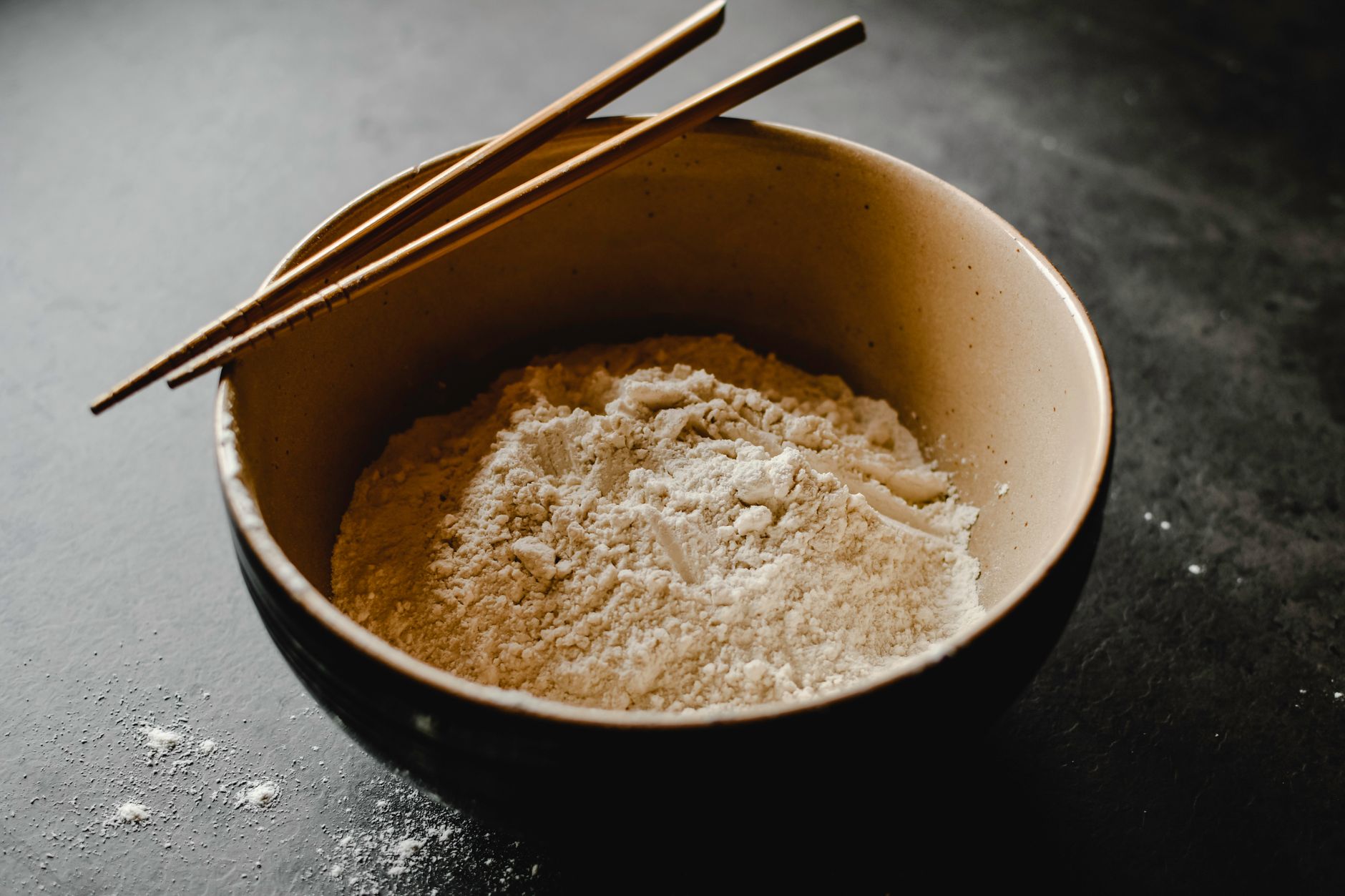
Enriched flour is a widely used ingredient in the world of baking and cooking, valued for its improved nutritional profile and versatile applications. By restoring essential nutrients lost during processing, enriched flour helps create everything from bread to pastries while enhancing flavor and texture.
This article will explore what enriched flour is, its benefits, how it compares to regular flour, and how you can effectively use it in your kitchen.
What Is Enriched Flour?
Enriched flour is wheat flour that has been fortified with vitamins and minerals that are often lost during the milling process. This process involves refining whole wheat into a finer texture, a change that enhances baking quality but may also strip valuable nutrients.
The enrichment typically includes adding back nutrients such as iron and several B vitamins, which can include thiamine, riboflavin, niacin, and folic acid. The purpose of enriching flour is to help improve the nutritional value of the final baked products.
The Nutritional Benefits of Enriched Flour
Enriched flour offers several nutritional advantages that may appeal to health-conscious consumers. The primary benefits include:
- Restoration of Nutrients: Enrichment helps replace key nutrients lost during the refining process. For example, adding B vitamins helps support energy levels and overall health.
- Improved Iron Content: Iron is essential for carrying oxygen in the blood, and its inclusion helps combat iron deficiency and related health issues.
- Folic Acid Addition: Folic acid is important for DNA synthesis and the production of healthy red blood cells. It is particularly vital for pregnant women to help prevent neural tube defects.
How Is Enriched Flour Different from Regular Flour?
The difference between enriched flour and regular flour lies primarily in nutrient content. Regular flour, especially when it is all-purpose or self-rising, may not have these essential nutrients added back in, making enriched flour potentially a healthier choice in certain contexts.
Here are some more distinctions:
- Texture: Both types of flour have a similar texture, but enriched flour may provide a slightly different mouthfeel in baked goods.
- Flavor: There are generally no marked differences in taste between enriched and unenriched flour.
- Culinary Usefulness: Enriched flour works well in a variety of recipes, particularly in baked goods where a finer texture is desirable.
Common Uses of Enriched Flour
Enriched flour is a versatile ingredient, used in numerous culinary applications. Its most common uses include:
- Baking: Enriched flour is ideal for making bread, cookies, cakes, and pastries due to its good gluten development.
- Pasta Making: Enriched flour is often used in pasta recipes due to its fine texture and ability to create a smooth dough.
- Thickening Agent: Enriched flour can serve as a thickener in sauces, gravies, and soups because of its starch content.
Essential Tips for Using Enriched Flour
When incorporating enriched flour into your cooking or baking, consider the following practical tips to achieve the best results:
- Measure Accurately: Always use the correct measurement for flour. Spoon the flour into the measuring cup and level off with a knife for precision.
- Storage: Store enriched flour in a cool and dry place. It is best kept in an airtight container to prevent moisture absorption and pest infestation.
- Combine Wisely: When using enriched flour in recipes that call for whole wheat flour, you may need to adjust the liquid levels since enriched flour tends to absorb less liquid.
- Sifting: Sifting enriched flour before use can help aerate it and remove any lumps that may form during storage.
Enriched Flour Substitutions
If you find yourself in a situation where you need to substitute enriched flour, several alternatives can be made. Keep in mind how these substitutions can affect the flavors, textures, and nutritional values of your dishes.
Whole Wheat Flour
Whole wheat flour is made by grinding the entire wheat kernel and retains the bran and germ. While it contains more nutrients naturally, it yields denser products than enriched flour. Use it in a 1:1 ratio, but expect a heavier texture in baked goods.
All-Purpose Flour
All-purpose flour can be used as a substitute in many recipes. It might not have the same nutrient enrichment but works similarly in terms of texture and flavor. This option is perfect if you’re looking for versatility.
Self-Rising Flour
Self-rising flour comes pre-packaged with baking powder and salt. If you substitute it for enriched flour, reduce or eliminate additional leavening agents in the recipe. For similar structure, use a 1:1 ratio.
Gluten-Free Flour
If gluten is an issue, consider a gluten-free flour blend that mimics the texture of enriched flour. However, it may change the final outcome of your recipe. Follow the manufacturer’s instructions for the best results.
Common Culinary Mistakes with Enriched Flour
When working with enriched flour, there are pitfalls to avoid to achieve your desired results. Here are common mistakes and how to troubleshoot them:
- Not Using the Right Flour: Using the wrong type of flour may affect the texture and structure of your baked goods. Always check the recipe requirements and select the appropriate flour.
- Incorrect Measuring: Overpacking flour can lead to dry or dense final products. Always use the spoon and level method for measuring flour.
- Ignoring Ingredient Temperatures: Be mindful of the temperature of other ingredients (like butter and eggs). Cold ingredients can lead to improper mixing and an undesired texture.
Storage Guidelines for Enriched Flour
Proper storage of enriched flour is essential for maintaining its freshness and nutritional value. Here are the best practices:
- Keep it Cool: Store enriched flour in a cool, dry place, ideally in a pantry or cupboard away from heat sources.
- Airtight Containers: Use airtight containers to keep out moisture and pests, ensuring a longer shelf life.
- Check Expiry Date: Always look at the expiration or “best by” date printed on the packaging. Old flour can lead to stale-tasting baked goods.
Incorporating Enriched Flour in Recipes
Enriched flour can lead to delicious results in various recipes. Here are a few dish ideas where enriched flour can shine:
Classic White Bread
Using enriched flour in a white bread recipe can produce a light, fluffy loaf. The yeast interacts well with the gluten formed by the flour, creating an ideal structure.
- Combine 4 cups of enriched flour, 1 packet of instant yeast, 2 tablespoons of sugar, and 1 teaspoon of salt in a large bowl.
- Add 1.5 cups of warm water and 2 tablespoons of melted butter. Mix until a dough forms.
- Knead the dough on a floured surface for about 10 minutes until smooth.
- Place in a greased bowl, cover, and let rise until doubled, about 1-2 hours.
- Punch down the dough, shape it into a loaf, and place it in a greased loaf pan. Let rise for another 30-45 minutes.
- Bake in a preheated oven at 375°F (190°C) for 25-30 minutes or until golden brown.
Pancakes Using Enriched Flour
For light and fluffy pancakes, enriched flour is an excellent choice. The resulting pancakes have a wonderful texture.
- In a bowl, mix 1 cup of enriched flour, 2 tablespoons of sugar, 1 tablespoon of baking powder, and a pinch of salt.
- In another bowl, combine 1 cup of milk, 1 large egg, and 2 tablespoons of melted butter.
- Pour the wet ingredients into the dry ingredients and stir until just combined; don’t overmix.
- Heat a skillet over medium heat and pour 1/4 cup of batter for each pancake. Cook until bubbles form, then flip and cook until browned.
Conclusion
Enriched flour serves as a beneficial ingredient in the kitchen, offering both improved nutritional content and versatility in various dishes. By understanding its characteristics and how to best use it, you can enhance your cooking and baking.
To further explore your baking adventures, consider checking out our detailed guide on bleached versus unbleached flour and learn more about enriched flour itself for additional insights.