
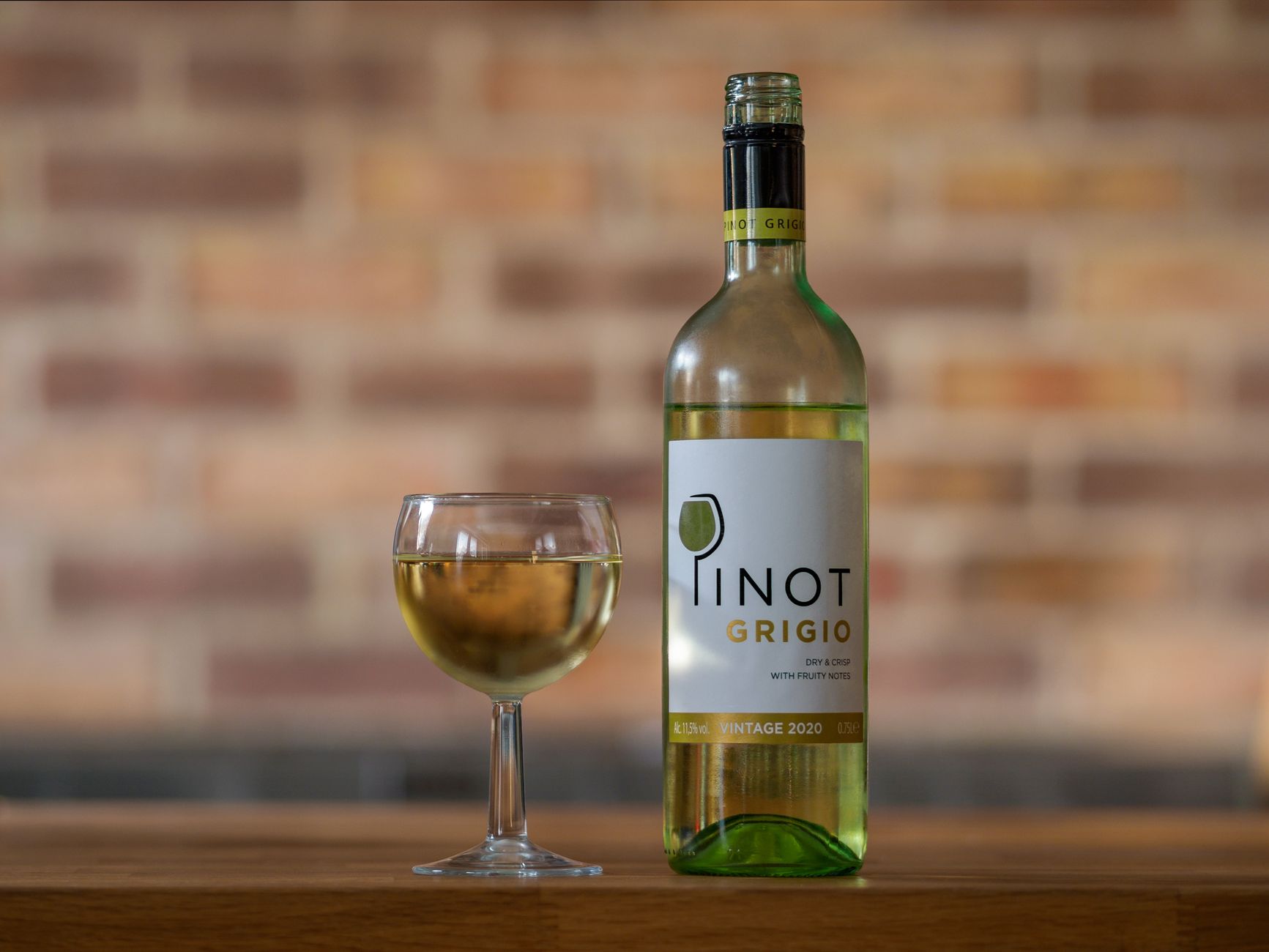
Dry white wine is a popular cooking ingredient that adds depth and flavor to a wide variety of dishes. It enhances the taste of sauces and marinades and can transform the simplest ingredients into something truly special.
Understanding what dry white wine is, its uses in cooking, and how it varies from other types of wine will help you maximize its potential in your kitchen.
What Is Dry White Wine for Cooking?
Dry white wine for cooking is a type of white wine that contains little to no residual sugar, making it less sweet than its counterparts. This dryness allows it to contribute acidity and brightness to your recipes, which can help balance rich flavors and enhance the overall dish.
Often derived from grape varieties such as Sauvignon Blanc, Pinot Grigio, and Chardonnay, dry white wine can elevate dishes by adding rich flavors and aromas. It’s commonly used in sautéing, braising, and deglazing, making it a versatile ingredient in a cook’s pantry.
Flavor Characteristics of Dry White Wine
The flavor of dry white wine can vary greatly based on its grape variety, region, and production method. This complexity allows it to serve various culinary purposes. Here are some common flavor notes associated with different types of dry white wines:
- Sauvignon Blanc: Typically crisp with high acidity, it often has citrusy notes of lime, grapefruit, and green apple, along with herbaceous undertones.
- Chardonnay: Can range from bright and fruity to creamy and buttery, depending on whether it is oaked. Expect flavors of green apple, peach, and subtle vanilla in oaked versions.
- Pinot Grigio: Light-bodied and refreshing, it delivers flavors of pear, lemon, and a touch of minerality, making it versatile for various dishes.
Common Uses of Dry White Wine in Cooking
Dry white wine can be used in several ways in cooking. Understanding these applications can help you make the most of this ingredient:
Deglazing
After sautéing or searing a meat or vegetable dish, you can use dry white wine to deglaze the pan. This process lifts the browned bits, known as fond, off the pan’s surface, creating a rich base for sauces and gravies.
Marinades
Incorporating dry white wine into marinades can help tenderize meats and infuse them with flavor. Its acidity also allows the marinade to penetrate the meat more effectively.
Flavoring Soups and Sauces
Adding dry white wine to soups, stews, or sauces enhances the overall flavor profile. The evaporation of alcohol during cooking leaves behind a complex taste that can elevate your dishes.
Cooking with Seafood
Dry white wine pairs exceptionally well with seafood dishes. Its acidity and crispness complement the flavors of fish and shellfish beautifully, making it a popular choice for recipes like clam chowder or shrimp scampi.
Selecting the Right Dry White Wine for Cooking
Not all dry white wines are created equal, and being selective about which one you use can make a significant difference in your cooking. Here are some tips for choosing the right dry white wine:
- Quality Matters: Use a wine that you would enjoy drinking. Low-quality wines may contain additives or preservatives that can negatively influence the taste of your dish.
- Avoid Cooking Wines: Cooking wines often contain salt and preservatives that can detract from the flavors of your dish.
- Consider the Cuisine: Match the wine with the food you are preparing. For example, a crisp Sauvignon Blanc works well with lighter dishes, while a fuller-bodied Chardonnay can complement richer flavors.
Practical Substitutions for Dry White Wine
If you don’t have dry white wine on hand, there are various ingredients you can use as effective substitutes:
- White Wine Vinegar: Dilute with water in a 1:1 ratio for a similar acidity.
- Chicken or Vegetable Broth: Use as a non-alcoholic liquid replacement. This will add moisture but may require extra seasoning.
- Sparking Water with Lemon Juice: Combine sparkling water with a splash of lemon juice to mimic both acidity and freshness.
- Apple Cider Vinegar: Use as a substitute in a pinch, keeping in mind it has a different flavor profile that may affect the dish.
Common Mistakes When Using Dry White Wine in Cooking
Using dry white wine in cooking can be straightforward, but mistakes can sometimes occur. Here are common pitfalls to avoid:
- Using Sweet Wines: Sweet wines can result in overly sweet dishes, which may not complement the other flavors.
- Using Cheap Wine: Inexpensive wines may have off-flavors that affect the overall taste. Invest in a mid-range wine for better results.
- Cooking at Too High Heat: Rapid cooking can result in alcohol not evaporating fully, leaving unwanted flavors.
How to Cook with Dry White Wine
Incorporating dry white wine into your cooking can be simple when you follow a few guidelines:
- Choose Your Dish: Consider what you are preparing. Light wines pair better with seafood, while fuller-bodied varieties suit creamy dishes.
- Measure Wisely: Generally, use 1/4 to 1/2 cup of dry white wine for recipes serving 4 people.
- Deglaze Properly: After sautéing, pour in the wine and use a spatula to scrape the bottom of the pan, releasing flavorful bits.
- Let it Cook Off: Allow the wine to simmer for a few minutes to let the alcohol evaporate. Look for a reduction in volume and a richer aroma.
- Taste as You Go: Always taste the dish as you cook to balance flavors; adding just the right amount of wine can enhance your meal significantly.
Recipes Incorporating Dry White Wine
Here are some delicious recipe ideas that showcase the use of dry white wine:
1. Lemon Garlic Shrimp with White Wine
This quick and flavorful dish pairs perfectly with pasta or rice.
- Ingredients:
- 1 pound large shrimp, peeled and deveined
- 3 tablespoons olive oil
- 4 cloves garlic, minced
- 1/2 cup dry white wine
- Juice and zest of 1 lemon
- Fresh parsley, chopped, for garnish
2. Chicken Piccata
A classic Italian dish that balances the richness of the chicken with the acidity of white wine and capers.
- Ingredients:
- 4 chicken breasts, pounded thin
- Salt and pepper, to taste
- 1/2 cup flour for dredging
- 3 tablespoons butter
- 1 tablespoon olive oil
- 1/2 cup dry white wine
- Juice of 1 lemon
- 1/4 cup capers, rinsed
- Fresh parsley, for garnish
Storage and Reheating of Dishes with Dry White Wine
Cooked dishes containing dry white wine can typically be stored in the refrigerator for 3 to 4 days. Here are some guidelines:
- Allow the dish to cool before storing it in an airtight container.
- Reheat on the stove or in the microwave until heated thoroughly.
- Taste after reheating, as flavors may mellow and could require adjustment.
Conclusion
Dry white wine is an essential ingredient that can elevate your cooking, adding complexity and acidity. By understanding how to choose and use dry white wine effectively, you can transform everyday dishes into gourmet meals.
To explore more delicious recipes or cooking tips, check out our guides on Marsala Sauce and Shrimp Scampi without Wine.