
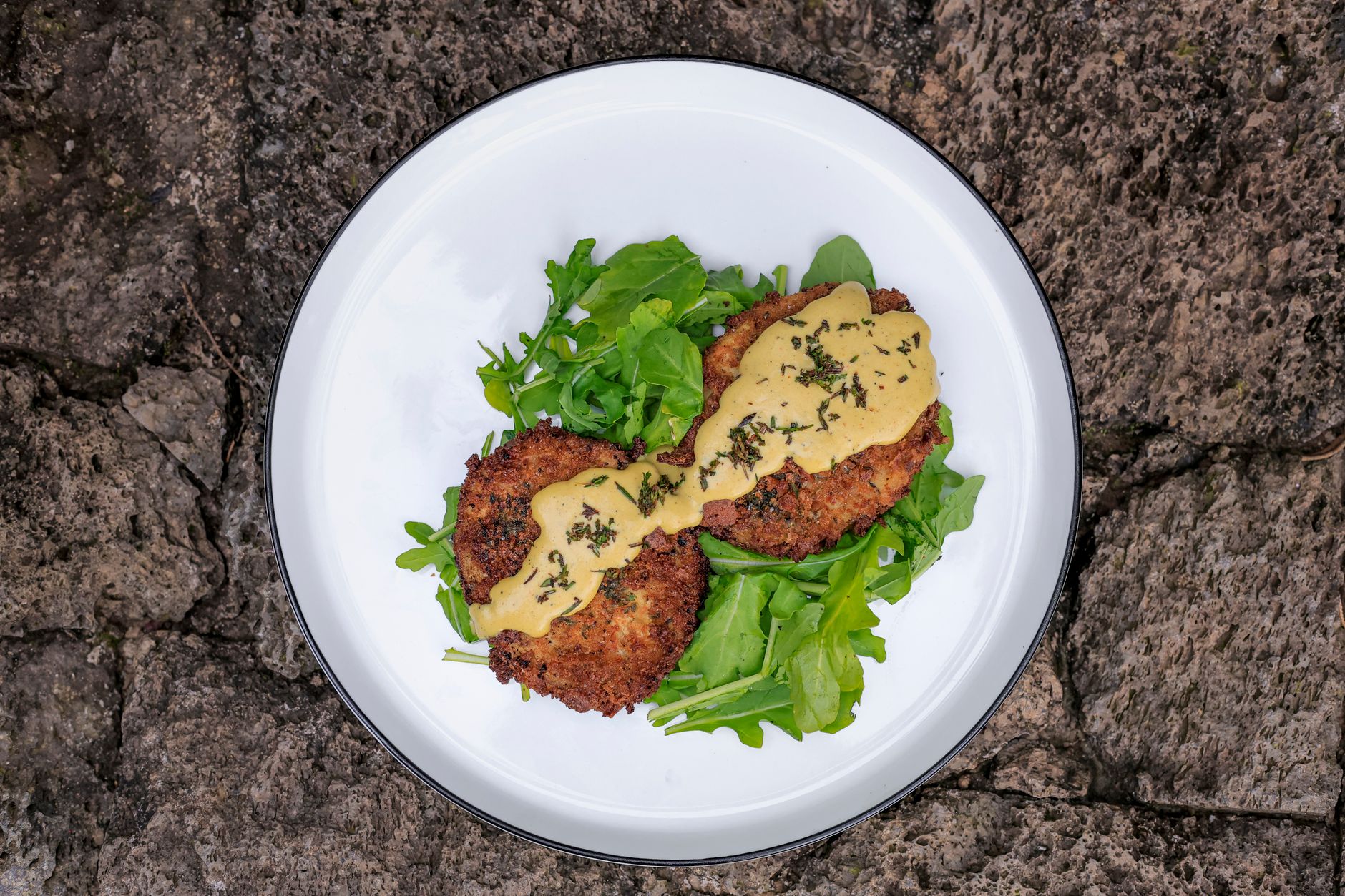
Dijon mustard is a popular condiment originating from Dijon, France, and is renowned for its distinctive flavor profile. Made from ground mustard seeds and vinegar, it offers a unique blend of tanginess and heat, making it a versatile addition to numerous dishes.
This article will explore the ingredients, flavor, and various ways to serve Dijon mustard, enhancing your culinary repertoire and enriching everyday meals.
What Is Dijon?
Dijon refers to a type of mustard named after the city of Dijon in the Burgundy region of France. This condiment is made primarily from brown or black mustard seeds combined with white wine or wine vinegar, delivering a sharp, spicy flavor with a creamy texture.
Unlike yellow mustard, which is made from milder yellow mustard seeds and often contains additional ingredients such as turmeric for color, Dijon mustard has a more robust taste, making it a popular choice in gourmet cooking.
Ingredients of Dijon Mustard
The primary ingredients in Dijon mustard include:
- Mustard Seeds: Typically brown or black, these seeds have a sharper flavor compared to yellow mustard seeds.
- Vinegar: White wine vinegar is traditional, but other vinegars can also be used for varied taste profiles.
- Water: Added to adjust the texture and consistency of the mustard.
- Salt: Enhances flavor and acts as a preservative.
Some recipes may also incorporate additional ingredients like herbs, spices, or sweeteners to create unique flavor variations.
Flavor Profile of Dijon Mustard
Dijon mustard is characterized by its complex flavor profile, which includes:
- Sharpness: The use of brown or black mustard seeds gives Dijon a piquant heat.
- Tanginess: The vinegar contributes a notable tang, which brightens dishes.
- Umami Notes: The fermentation process, especially when wine is used, adds depth and richness.
- Smooth Texture: Dijon mustard generally has a creamy, smooth texture, allowing it to spread easily.
This combination of flavors allows Dijon mustard to enhance the taste of many dishes without overwhelming them.
How to Serve Dijon Mustard
Dijon mustard can be incorporated into your cooking and served in various ways. Here are some popular uses and serving suggestions:
1. As a Condiment
Dijon mustard makes an excellent condiment for sandwiches, burgers, and charcuterie boards. Its tangy flavor pairs beautifully with meats, cheeses, and pickles.
2. Salad Dressings
Whisking Dijon mustard into vinaigrettes is a classic technique. It acts as an emulsifier, helping oil and vinegar to blend smoothly. Here’s a simple dressing to try:
- 3 tablespoons olive oil
- 1 tablespoon Dijon mustard
- 1 tablespoon red wine vinegar
- Salt and pepper to taste
3. Marinades and Rubs
Incorporate Dijon mustard into marinades for meats and fish. The acidic quality helps tenderize the proteins while infusing them with flavor. A basic marinade can include Dijon, olive oil, minced garlic, and herbs.
4. In Cooking
Dijon mustard can be added to sauces, soups, and stews for a flavor boost. It works wonderfully in cream sauces, where it can be combined with butter, cream, and herbs to create a rich topping for chicken or vegetables.
5. Baking
Dijon mustard can even find its way into baked goods. It can be used in savory muffins or breads to add an unexpected depth of flavor.
Practical Tips for Using Dijon Mustard
Here are some practical tips for using Dijon mustard effectively in your cooking:
- Adjusting Heat: You can mix Dijon with a mild mustard to reduce its heat if you prefer a milder flavor.
- Storage: Store Dijon mustard in a cool, dark place, ideally in the refrigerator after opening, where it can last for several months.
- Experimentation: Feel free to experiment with Dijon mustard in new recipes, including pairing it with fruits, vegetables, and different proteins.
- Acidity Balance: When using Dijon in recipes with acidic ingredients, adjust other flavor components to maintain a balanced profile.
Substitutes for Dijon Mustard
While Dijon mustard is versatile, there may be times when you need a substitute. Here are some alternatives:
- Yellow Mustard: Milder in flavor, but can be used in a pinch. Adjust quantity to taste.
- Spicy Brown Mustard: Has a similar heat and texture; a perfect one-to-one substitute.
- Honey Mustard: For a sweeter alternative, balance the sweetness according to your dish.
- Wasabi Paste: Use sparingly for a zesty kick; this substitution is ideal for specific Asian dishes.
Common Mistakes to Avoid with Dijon Mustard
Here are some common mistakes when using Dijon mustard and how to avoid them:
- Using it in Excess: A small amount can greatly impact flavor; start with a teaspoon and adjust as needed.
- Forgetting to Balance Flavors: Always taste your dish and consider how Dijon will affect the overall balance.
- Storing Improperly: To preserve its flavor and freshness, store Dijon mustard correctly after opening.
Making Your Own Dijon Mustard
Home cooks can also try making Dijon mustard from scratch. Here’s an easy recipe:
Homemade Dijon Mustard
This recipe yields about ¾ cup of mustard.
- 1/2 cup brown mustard seeds
- 1/4 cup white wine or vinegar
- 1/4 cup water
- 1 teaspoon salt
Instructions:
- Soak the mustard seeds in vinegar and water overnight in a glass jar.
- The next day, pour the mixture into a blender and add salt.
- Blend until you achieve the desired consistency.
- Transfer the mustard to a clean jar and store in the refrigerator.
Storage and Shelf Life of Dijon Mustard
When stored correctly in an airtight container in the refrigerator, Dijon mustard can last for up to a year. However, for best flavor, use it within six months of opening. Look for changes in color, texture, or smell to determine if it has gone bad.
Conclusion
Dijon mustard is a versatile ingredient that can enhance the flavor of a variety of dishes, from simple sandwiches to elaborate sauces. Its unique sharpness and tang make it an essential pantry staple for both everyday cooking and gourmet endeavors.
For your next meal, consider incorporating Dijon mustard for a flavorful twist that elevates your dish. Whether tossed into a salad or used as a marinade, this condiment will add depth to your culinary creations.
Explore more culinary insights with related guides on molasses and Chardonnay to further expand your cooking knowledge.