
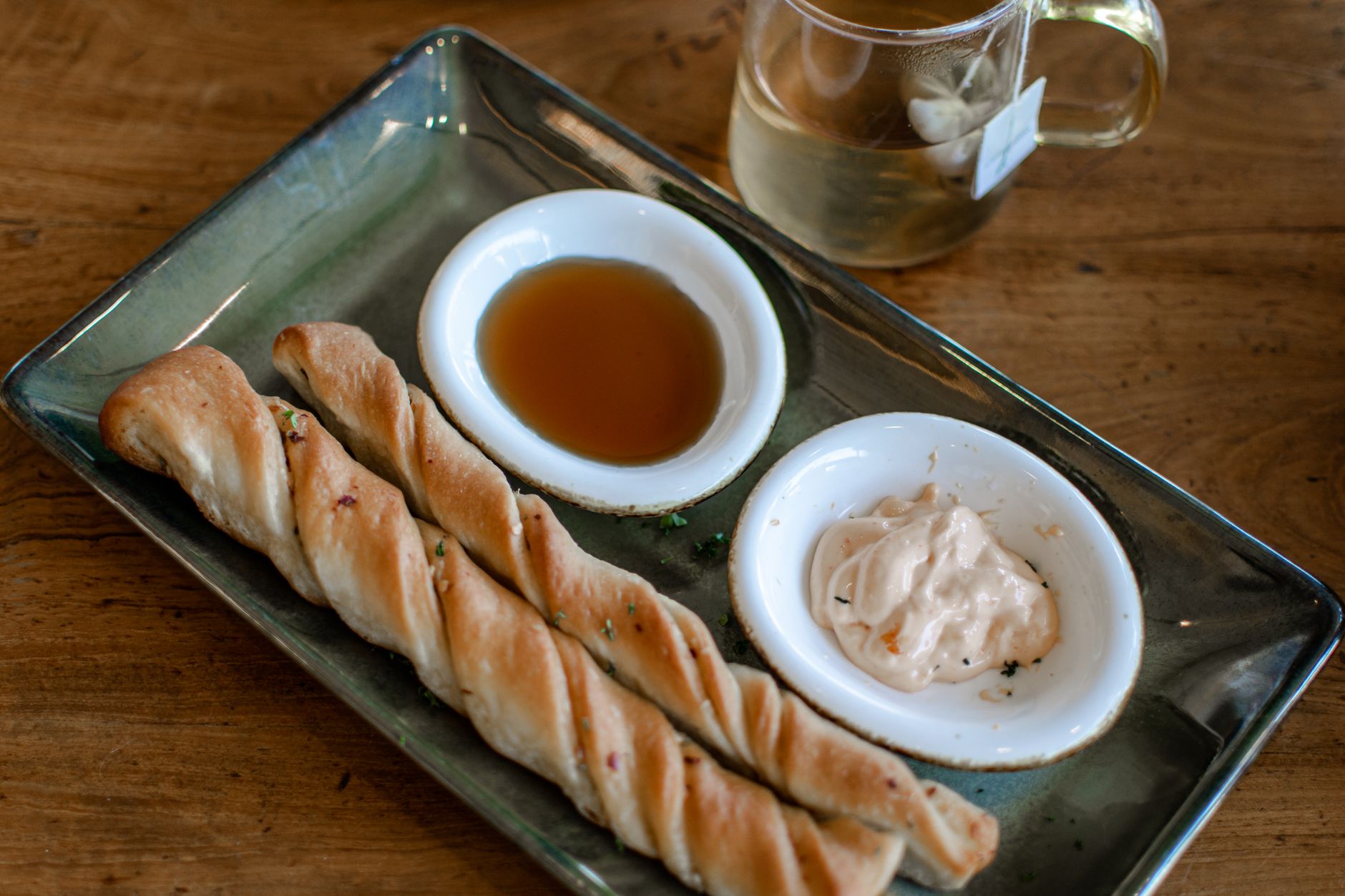
Dijon mayonnaise is a flavorful condiment that combines the creaminess of traditional mayonnaise with the tangy kick of Dijon mustard. This versatile spread adds depth to various dishes, making it a popular choice for salads, sandwiches, and dressings. In this article, we will explore what Dijon mayonnaise is, its taste and texture, as well as how to use it in your cooking.
Whether you are preparing a classic tuna salad, whipping up a savory sandwich, or looking for a zesty dip, Dijon mayonnaise serves as an excellent choice. Let’s delve into the specifics of this condiment to enhance your culinary skills.
What Is Dijon Mayonnaise?
Dijon mayonnaise is a mixture of mayonnaise blended with Dijon mustard, originating from Dijon, France. The addition of Dijon mustard not only complements the creamy texture of traditional mayonnaise but also brings a subtle spice and depth to the flavor profile. It is commonly used in French cuisine but has gained popularity worldwide for its versatility.
Taste and Texture of Dijon Mayonnaise
The taste of Dijon mayonnaise is a harmonious balance of creaminess and tanginess. The mustard adds a slight heat and complexity that elevates the dish it accompanies. Depending on the brand or recipe, the level of mustard flavor can vary, allowing you to choose a version that meets your taste preferences.
In terms of texture, Dijon mayonnaise is typically smooth and velvety, resembling the texture of traditional mayonnaise but with a slight graininess from the mustard seeds. This texture makes it ideal for spreading on sandwiches, mixing into dressings, and using as a dip.
Flavor Profile
The unique flavor profile of Dijon mayonnaise comes from a combination of ingredients. Here’s what contributes to its overall taste:
- Mayonnaise: The base of the sauce, providing creaminess and richness.
- Dijon Mustard: Offers a sharp and tangy flavor, giving that distinctive kick.
- Lemon Juice or Vinegar: Often added to enhance acidity and balance the richness.
- Seasonings: Additional ingredients like garlic powder, herbs, or spices can be included for more flavor variations.
Common Uses for Dijon Mayonnaise in the Kitchen
Dijon mayonnaise is incredibly versatile and can be used in various culinary applications. Here are some common uses:
1. Salad Dressings
Dijon mayonnaise can serve as a creamy base for salad dressings. It pairs beautifully with vinaigrettes, providing a rich texture and flavor depth.
2. Sandwiches and Wraps
Spread Dijon mayonnaise on sandwiches and wraps for an elevated flavor. It complements meats, cheeses, and fresh vegetables exceptionally well.
3. Dips
Mix Dijon mayonnaise with yogurt or sour cream to create a delicious dip for fresh vegetables or chips. The tanginess cuts through the richness, making it a refreshing choice.
4. Marinades
Dijon mayonnaise can also be used as a marinade for grilled meats. Its base of oil and vinegar can help tenderize proteins while adding flavor.
5. Deviled Eggs
Incorporating Dijon mayonnaise into deviled eggs adds a zesty touch. It enhances the creaminess while providing flavor depth.
6. Burgers
Use Dijon mayonnaise as a condiment on burgers, either on its own or blended with other ingredients such as herbs or spices.
Making Your Own Dijon Mayonnaise
Creating homemade Dijon mayonnaise is straightforward and allows for customization based on your taste preferences. Here’s a simple recipe to make approximately 1 cup of Dijon mayonnaise.
Ingredients:
- 1 large egg yolk
- 1 tablespoon Dijon mustard
- 1 tablespoon lemon juice
- 1 cup neutral oil (like canola or sunflower oil)
- Salt and pepper to taste
Essential Equipment:
- Mixing bowl
- Whisk or immersion blender
- Measuring cups and spoons
Instructions:
- In a mixing bowl, whisk together the egg yolk, Dijon mustard, and lemon juice until well combined.
- Slowly add the neutral oil in a steady stream while continuing to whisk vigorously. This process emulsifies the sauce.
- Once all the oil is added and the mayonnaise is thick and creamy, season with salt and pepper to taste.
- If the mayonnaise is too thick for your liking, whisk in a small amount of water or additional lemon juice to achieve your desired consistency.
- Store the Dijon mayonnaise in an airtight container in the refrigerator for up to one week.
Variations of Dijon Mayonnaise
Experimenting with different flavors can personalize your Dijon mayonnaise. Here are some popular variations to try:
1. Garlic Dijon Mayonnaise
Add minced garlic or garlic powder for a robust flavor. This variation is excellent for sandwiches or dips.
2. Herb Dijon Mayonnaise
Add fresh or dried herbs like dill, tarragon, or chives to give your mayonnaise a herby twist. It pairs well with grilled meats and seafood.
3. Spicy Dijon Mayonnaise
Incluse Sriracha, hot sauce, or cayenne pepper for added heat. This version can enliven burgers or as a dip for fries.
4. Honey Dijon Mayonnaise
Stir in honey for a sweet balance with the tartness of the mustard. This variation works beautifully with roasted vegetables or as a dipping sauce for chicken tenders.
5. Citrus Dijon Mayonnaise
Incorporate lime or orange juice instead of lemon juice for a unique twist. The citrus element adds a refreshing brightness to the sauce.
Common Mistakes and Troubleshooting
Making Dijon mayonnaise at home can be simple, but there are occasional pitfalls to be aware of:
- Failure to Emulsify: If the mayo doesn’t thicken, the oil may have been added too quickly. Try whisking vigorously and slow down the oil addition.
- Too Thin: If the mayonnaise is too runny, continue whisking or consider adding more oil gradually until thickened.
- Off Flavor: Ensure that all ingredients are fresh, particularly the eggs. Always taste and adjust seasoning before serving.
Storing Dijon Mayonnaise
After making Dijon mayonnaise, proper storage is essential to maintain its flavor and safety:
- Airtight Container: Store in a clean, airtight container to prevent contamination.
- Refrigeration: Keep the mayonnaise refrigerated. It typically lasts about one week.
- Freezing: While it’s not recommended to freeze homemade mayonnaise, any unused components can be separated and stored individually.
Ingredient Substitutions for Dijon Mayonnaise
If you find yourself in need of a substitute for Dijon mayonnaise, here are a few options:
- Regular Mayonnaise: Use straight mayonnaise for a less spicy flavor; consider adding a touch of mustard for a hint of kick.
- Vegan Mayonnaise: For a dairy-free option, vegan mayonnaise can replace traditional mayo without significantly altering taste.
- Homemade Mayonnaise: If you lack Dijon mustard, try making plain mayonnaise and adding a hint of vinegar or lemon juice for acidity.
Culinary Uses for Dijon Mayonnaise in Regional Cuisines
Dijon mayonnaise can find its way into various dishes across different cuisines:
- French Cuisine: Often used in traditional French recipes for salad dressings and gourmet sandwiches.
- American Cuisine: Commonly featured in burger joints as a condiment, reinforcing its American appeal.
- Mediterranean Cuisine: Incorporates Dijon mayonnaise into dips and spreads, adding a creaminess to traditional recipes.
Explore Further with Dijon Mayonnaise
Dijon mayonnaise is just one of many ways to enhance your dishes. Try exploring various recipes where you can incorporate it, from salads to savory sides. Here are a couple of related recipes to consider:
In summary, Dijon mayonnaise is a flavorful addition to your culinary arsenal. Its tangy flavor and creamy texture make it a versatile ingredient in a range of dishes, from dressings to dips. Whether you choose to make it from scratch or buy it from the store, it can elevate your cooking and provide an exciting twist to classic recipes. Experiment with variations and utilize this delightful condiment to impress your guests and enrich your meals.