
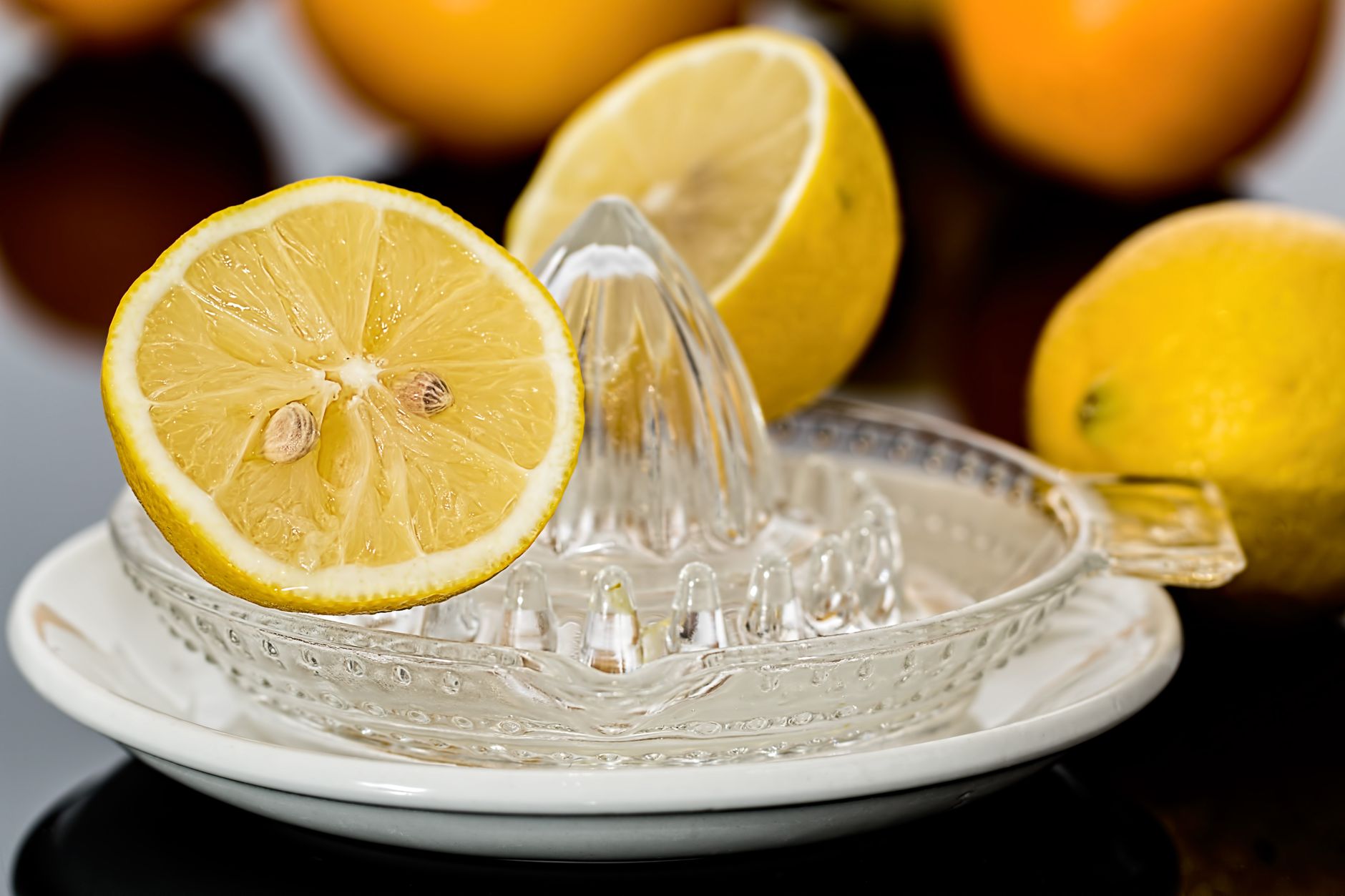
Cotric acid, often confused with citric acid, is a lesser-known organic compound with unique culinary applications. This ingredient, derived from various fruits and biological processes, can enhance flavors, provide acidity, and serve as a natural preservative in many recipes.
Understanding what cotric acid is, its flavor profile, and how to best use it in cooking can open up new avenues for flavor exploration in your meals. This guide will delve into the details surrounding cotric acid, its uses, and how to serve it for optimal taste.
What Is Cotric Acid?
Cotric acid is an organic acid that belongs to the same family as citric acid, a widely known ingredient used in various culinary applications. Cotric acid is typically produced through fermentation processes using specific microorganisms. It can also be found naturally in certain fruit varieties and is recognized for its ability to enhance food flavor and act as a preservative.
Flavor Profile and Culinary Uses
Cotric acid boasts a bright, tangy flavor reminiscent of citrus, which makes it a useful ingredient in enhancing the taste of both sweet and savory dishes. The acidity of cotric acid balances flavors and can brighten dishes that otherwise may feel flat. It’s also worth noting that cotric acid can help prevent the browning of fruits and vegetables, making it valuable in salads and pastries.
Common Culinary Applications
- Preservation: Cotric acid can be used to preserve fruits, meats, and vegetables due to its antibacterial properties.
- Flavoring: It’s commonly used to enhance the tanginess in dressings, sauces, and marinades.
- Baking: Cotric acid can also act as a leavening agent in certain baked goods, helping them to rise effectively.
- Fermentation: Many fermented products benefit from the addition of cotric acid, contributing to the complexity of flavors.
How to Use Cotric Acid in Cooking
Cooking with cotric acid is straightforward, but there are several guidelines to consider for optimal results. Here are some practical ways to use cotric acid in your kitchen:
In Dressings and Marinades
- Create a simple vinaigrette by combining olive oil, vinegar, cotric acid, and herbs.
- Use cotric acid in marinades to tenderize meats and enhance flavor absorption.
- Try adding a dash of cotric acid to store-bought sauces to brighten the flavor further.
In Baking
- Incorporate cotric acid into batters for cakes or cookies as a substitute for baking soda, adjusting the quantities based on the desired rise.
- Use cotric acid when making meringues for added stability.
- Experiment with cotric acid in sourdough bread to promote fermentation and enhance flavor.
In Canning and Preservation
- When canning fruits, adding cotric acid can help maintain color and flavor.
- For pickling vegetables, cotric acid provides acidity that aids in preserving the products.
- Store fruit and vegetable cuts in a solution containing cotric acid to prevent enzymatic browning.
Ingredient Substitutions
If cotric acid is unavailable, consider these alternative ingredients that share similar properties:
- Citric Acid: The most similar substitute, citric acid can be used in the same quantity as cotric acid for most applications.
- Lemon Juice: Fresh lemon juice can substitute for cotric acid—use it in double the quantity required.
- Vinegar: White vinegar or apple cider vinegar can also work, though they may alter the flavor slightly. Replace cotric acid with equal parts vinegar for a similar effect.
Common Mistakes and Troubleshooting
Using cotric acid effectively can take practice, and being aware of common mistakes can help you avoid pitfalls:
- Excessive Use: Adding too much cotric acid can lead to overpowering sourness—start with small amounts and adjust to taste.
- Improper Storage: Store cotric acid in a cool, dry place to maintain its efficacy; moisture can reduce its shelf life.
- Lack of Balance: When using cotric acid in recipes, ensure other flavors are balanced to prevent an overwhelmingly acidic dish.
Storage and Shelf Life
When stored appropriately, cotric acid can last a long time without losing its efficacy. Follow these guidelines for optimal storage:
- Keep cotric acid in an airtight container away from light and moisture.
- Store in a cool, dry place such as a pantry or cupboard.
- Check the expiration date on the package, and label if transferring to another container.
How to Serve Dishes that Contain Cotric Acid
Serving dishes that contain cotric acid can be a delightful experience for both the cook and the guests. Here are some suggestions:
- Warm Dishes: Serve warm salads that contain cotric acid as a dressing component to enhance the meal’s overall taste.
- Cocktails and Beverage Pairings: Use cotric acid in cocktail mixes for added sourness, serving with fresh herbs and garnishes for an appealing presentation.
- Complementary Flavors: Highlight the cotric acid’s tanginess by pairing it with creamy elements, such as incorporating it into a yogurt-based sauce for grilled meats.
Cotric acid is versatile, making it easy to incorporate it into everyday cooking while elevating dishes. Whether you are experimenting with dressings, baking, or canning, understanding cotric acid will enhance your culinary freedom and creativity.
In summary, cotric acid serves multiple culinary purposes, chiefly enhancing flavor, acting as a preservative, and promoting fermentation. Use it wisely, balancing flavors throughout your dishes for the best results. With this understanding, you can explore its many applications in cooking.
For further information on food ingredients and techniques, consider reading about chia seeds and how to soak chia seeds for maximizing their nutritional benefits.