
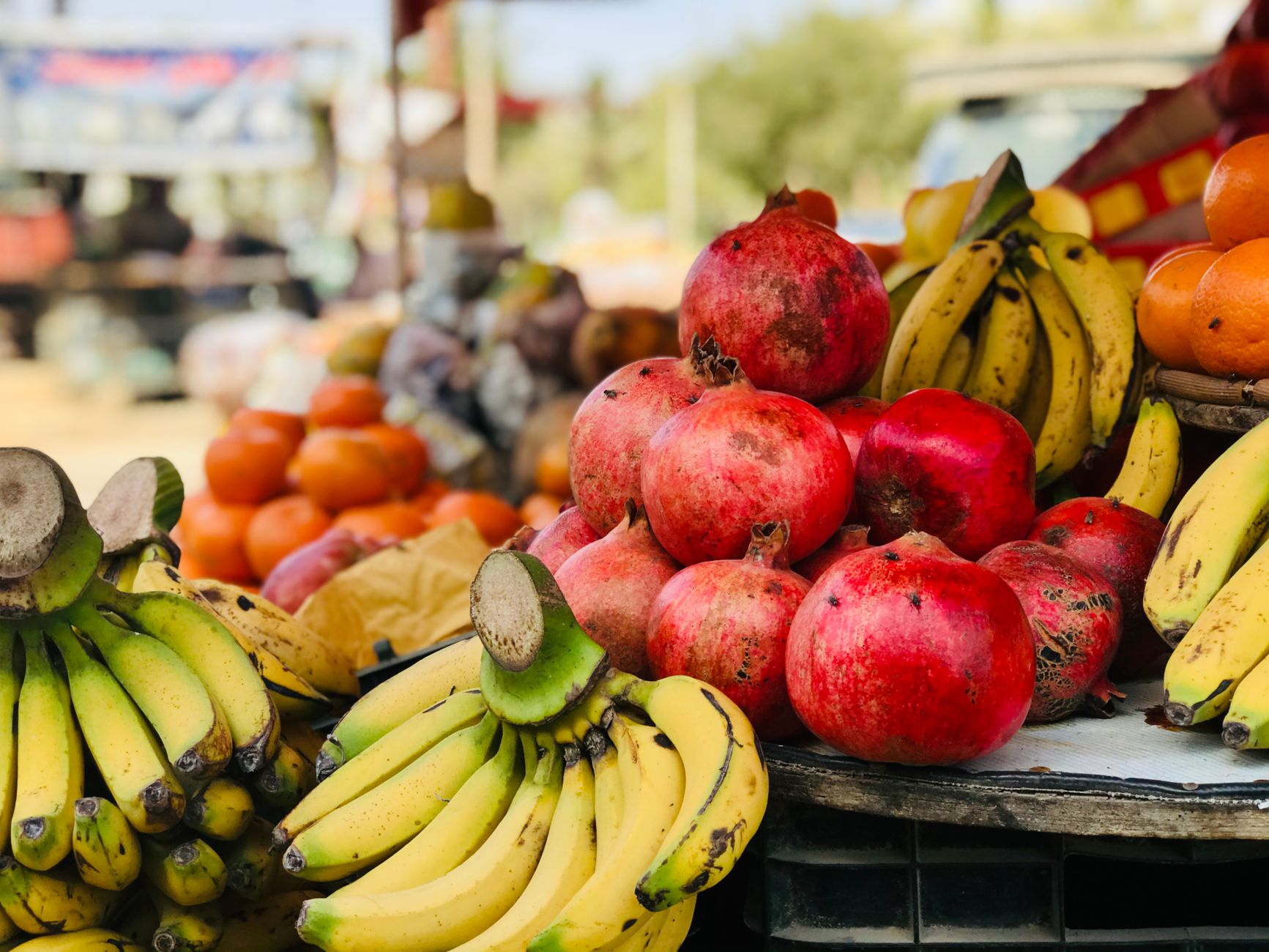
Understanding what qualifies as a fruit can be surprisingly complex, blending scientific definitions with culinary uses and cultural perceptions. This article explores the characteristics that define fruits, their taste, texture, and how they can be utilized in the kitchen.
Whether you are a home cook or a culinary enthusiast, gaining insight into fruits and how to incorporate them into your meals can elevate your cooking and bring vibrant flavors to your dishes.
What Is Considered a Fruit?
A fruit is essentially the mature ovary of a flowering plant, usually containing seeds. In culinary terms, fruits are typically sweet or tart in flavor and can be eaten raw, while vegetables are more savory and often require cooking. This distinction is not just about taste; it also relates to how plants reproduce.
Characteristics of Fruit
Fruits are rich in flavor and nutrients, but understanding their characteristics helps differentiate them from other plant-based foods. The primary identifying features of fruits include:
- Seed Development: Fruits develop from the flower of a plant, containing seeds that promote reproduction.
- Flavor Profile: Most fruits are sweet or tart, making them suitable for snacking, desserts, or refreshing beverages.
- Texture: Fruits can vary in texture, from juicy and fleshy to dry and woody.
- Growth Process: Fruits generally grow from the ovary following fertilization, showcasing various stages from blossoms to ripened fruit.
Culinary Uses of Fruits
Fruits fit beautifully in various culinary contexts. They can be used in savory dishes, desserts, snacks, or drinks. Here’s how you can utilize them:
1. Raw Consumption
Many fruits are delicious when eaten raw. Examples include apples, bananas, and berries. These can make nutritious snacks or be added to salads for extra crunch.
2. Cooking and Baking
Fruits can also be cooked, pureed, or baked. For instance, apples are often baked into pies, while tomatoes, which are botanically a fruit, are used in sauces and soups.
3. Juicing and Blending
Fruits are a staple in smoothies and juices. Their high water content and natural sweetness make them perfect for refreshing beverages.
4. Preservation
Many fruits can be preserved by canning, making jams, or freezing. This allows you to enjoy fruit flavors year-round, even when they are out of season.
5. Garnishes and Enhancements
Fruits can be used as garnishes, adding color and flavor to dishes. For example, citrus slices add brightness to fish dishes, while berries can top off cakes.
Common Types of Fruits and Their Characteristics
Understanding different categories of fruits can enhance your culinary skills. Here are some common types:
Citrus Fruits
Citrus fruits are known for their refreshing, tangy flavors. They include oranges, lemons, limes, and grapefruits. Their high acidity makes them great for flavoring dishes and beverages.
Berries
Berries such as strawberries, blueberries, and raspberries are small, juicy, and often sweet. They are perfect for snacking, desserts, or adding to breakfast dishes like oatmeal or yogurt.
Stone Fruits
This group includes peaches, cherries, plums, and apricots. They have a soft flesh surrounding a central pit and are often juicy and sweet, making them ideal for desserts and preserves.
Melons
Watermelons, cantaloupes, and honeydews are high in water content, making them hydrating summer treats. Their mild sweetness makes them perfect for fruit salads or smoothies.
Drupes
Drupes, or stone fruits, have fleshy exteriors and a single hard pit inside. Common examples are cherries, plums, and olives. They can be eaten fresh or used in various cooking applications.
Aggregate Fruits
These fruits, like raspberries and blackberries, develop from multiple ovaries of a single flower. They typically have a unique flavor profile and can be used in jams or desserts.
Multiple Fruits
Fruits like pineapples and figs develop from clusters of flowers and can have complex flavors. They can be consumed raw or cooked and offer distinct textures.
Contrasts: Fruits vs. Vegetables
While fruits and vegetables share a common role in the kitchen, they are distinct in botanical terms. Fruits are generally the mature ovaries of flowering plants that carry seeds, while vegetables can include other parts of the plant such as leaves, stems, and roots. Here are some key differences:
1. Botanical Definition
Bearing seeds is the defining trait of fruits. Vegetables, in contrast, can consist of roots (carrots), stems (asparagus), leaves (spinach), and flowers (broccoli).
2. Culinary Uses
Fruits are typically used in sweet dishes, while vegetables feature in savory meals. However, some fruits, like tomatoes and bell peppers, are used in savory contexts, while vegetables like pumpkins can be used in desserts.
3. Flavor Profiles
Fruits are often sweet or tart, which can enhance dessert flavors, while vegetables carry more savory, earthy tastes that work well in entrees and sides.
How to Select and Store Fruits
Choosing the right fruit at the store and storing it properly can enhance your cooking experience. Here’s how to select and store fruits effectively:
Choosing Fresh Fruits
When selecting fresh fruits, consider these tips:
- Look for Quality: Choose fruits that are vibrant in color and free from blemishes or bruises.
- Check Firmness: For fruits like peaches and avocados, a slight give indicates ripeness, while overly soft fruits may be overripe.
- Aroma: Ripe fruits often emit a sweet or fragrant aroma. Sniffing can often provide insight into their freshness.
Storing Fruits
Proper storage extends the life of your fruits. Here are some essentials:
- Room Temperature: Some fruits, like bananas, apples, and pears, ripen best at room temperature.
- Refrigeration: Berries, grapes, and cut fruits should be refrigerated to maintain freshness.
- Ethylene Sensitivity: Some fruits produce ethylene gas, which can hasten ripening. Store ethylene-producing fruits (like bananas) separately from those sensitive to it (like avocados).
- Avoid Washing Until Use: Rinse fruits right before consumption or cooking to prevent spoilage, especially berries.
Practical Substitutions for Fruits
In cooking and baking, not all fruits are interchangeable, but some can serve as viable substitutions based on flavor and texture. Here are a few common substitutions:
1. Apples
If you run out of apples, pears or quince may provide a similar texture and sweetness. However, expect a slight change in flavor.
2. Bananas
Unsweetened applesauce can substitute mashed bananas for moisture in baking, though it may slightly alter the flavor and sweetness.
3. Citrus Juices
When lemon juice is unavailable, lime juice or vinegar can work as a substitute, though both possess different flavor profiles.
4. Berries
If fresh berries are scarce, frozen berries can be substituted in recipes, especially for smoothies or baked goods.
Common Mistakes When Cooking with Fruits
Cooking with fruits can pose some challenges. Avoid these common mistakes:
1. Overcooking
Fruits like apples and berries can become mushy if overcooked. Keep an eye on their texture, especially when baking or sautéing.
2. Neglecting Preparation
Some fruits require peeling or de-seeding (like peaches or cherries). Failing to do this may result in an unpleasant eating experience.
3. Not Balancing Flavors
Fruits have their unique sweetness or tartness. Maintaining balance is key when pairing them with savory ingredients, ensuring neither profile overpowers the other.
Conclusion
Fruits play a vital role in both nutrition and culinary applications, excelling in sweet and savory dishes alike. Understanding the complexity of what constitutes a fruit, its characteristics, and culinary uses can enhance your meals significantly.
Explore a variety of fruits in your cooking, from sweet berries to versatile citrus. Different fruits bring unique flavors and textures to your kitchen. Consider browsing more about specific fruits, such as what defines a banana or learn how to cut a dragon fruit. These can challenge your culinary creativity and ensure fruitful results!