
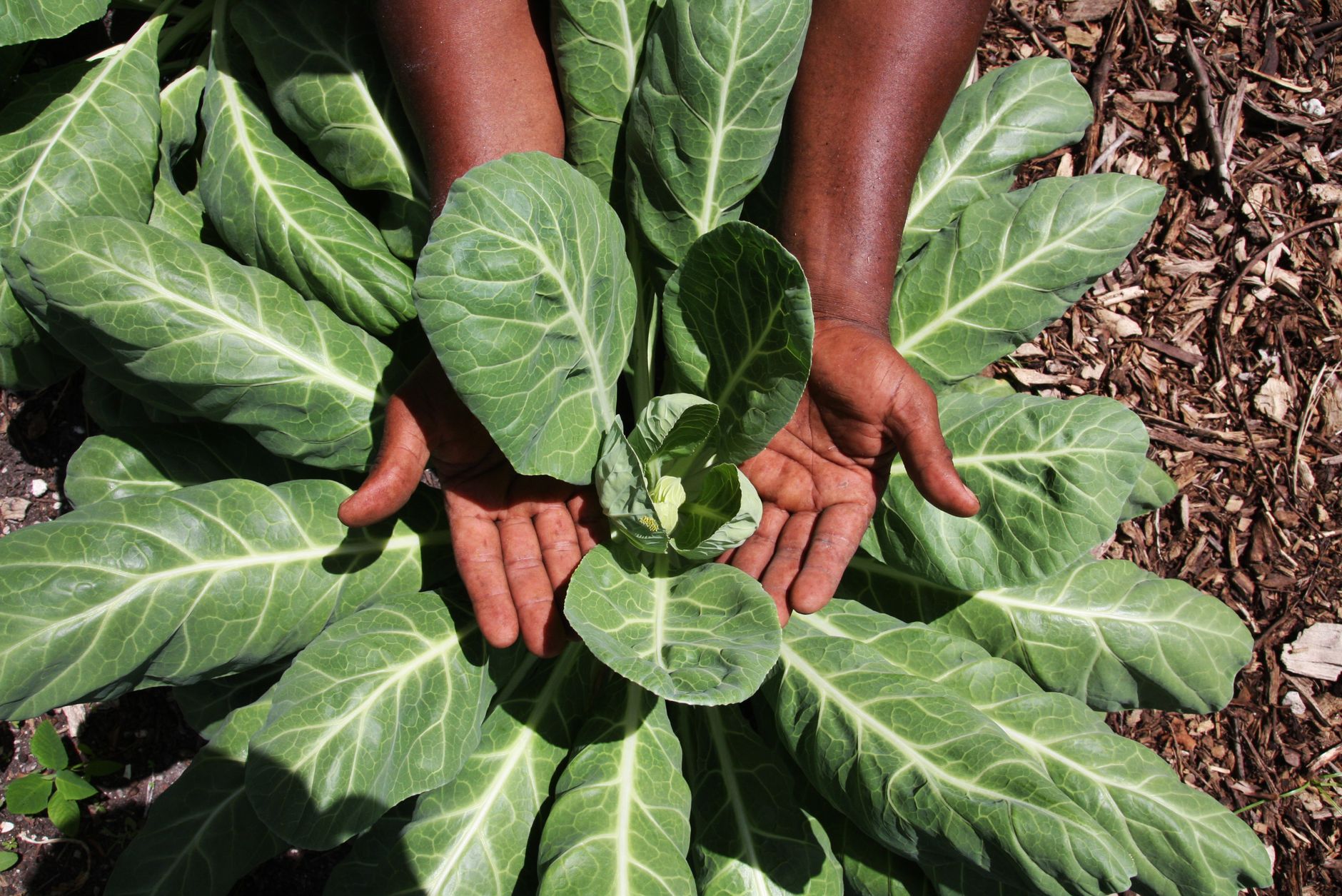
Collard greens, a leafy green vegetable in the Brassica family, are a staple in Southern cuisine and known for their slightly bitter, earthy flavor. These nutrient-rich greens are also packed with vitamins, minerals, and dietary fiber, making them a popular choice for health-conscious eaters. Whether enjoyed sautéed, stewed, or in salads, collard greens offer versatility and robust flavor to various dishes.
In this article, we will explore the characteristics, culinary uses, nutritional benefits, preparation methods, and practical tips for incorporating collard greens into your meals. Whether you’re new to cooking or an experienced chef, you’ll find useful insights to help you enjoy this nutritious vegetable.
What Are Collard Greens?
Collard greens are large, dark green leaves that belong to the same family as kale, cabbage, and broccoli. They are often recognized for their broad, flat leaves and thick stems. Collard greens have a rugged texture and a rich flavor that can be enhanced through cooking methods such as steaming, sautéing, or braising.
These greens are traditionally used in Southern cooking, often simmered with smoked meats or flavored oils to create rich, comforting dishes. However, their culinary potential extends beyond Southern cuisine, as they’re increasingly popular worldwide in different culinary traditions.
Flavor, Texture, and Nutritional Benefits
The flavor profile of collard greens is characterized by a mild bitterness and a slight sweetness, especially when cooked. They have a sturdy texture that can stand up to various cooking methods, making them perfect for long cooking times without losing their integrity.
From a nutritional perspective, collard greens are a powerhouse. They are low in calories but high in vitamins A, C, and K, as well as calcium and iron. Additionally, they are an excellent source of fiber, which aids digestion and contributes to a balanced diet. Eating collard greens may also help reduce inflammation and improve heart health due to their rich antioxidant content.
Selecting Collard Greens
When selecting collard greens, look for vibrant green leaves that are firm and crisp without any signs of wilting or yellowing. Fresh collards should feel heavy for their size and have no dark spots or blemishes. Avoid any packages with wet leaves, as this may indicate spoilage.
Collard greens are typically available year-round, but they are most flavorful and tender during the colder months. Local farmers’ markets are excellent places to find fresh, organic collard greens, ensuring optimal flavor and quality.
How to Prepare Collard Greens
Preparing collard greens is simple, and they can be enjoyed in various dishes. Here’s a practical guide to washing, trimming, and cooking collard greens.
Washing Collard Greens
Before cooking, it is essential to wash collard greens thoroughly to remove any dirt or grit:
- Fill a large bowl or clean sink with cold water.
- Submerge the collard greens in the water, swishing them gently to release any dirt.
- Remove the greens from the water and rinse them under cold running water.
- Pat them dry with a clean kitchen towel or use a salad spinner to remove excess moisture.
Trimming and Chopping Collard Greens
Next, prepare the greens for cooking:
- Using a sharp chef’s knife, cut out the thick central stem of each leaf, which can be tough and fibrous.
- Stack the leaves, roll them up like a cigar, and slice them into strips or chop them into bite-sized pieces.
- Once cut, the collard greens are ready to be cooked or used in recipes.
Cooking Collard Greens
Collard greens can be cooked in various ways, each yielding unique flavors and textures. Below are some popular cooking methods:
Steaming
Steaming is a quick and healthy cooking method that retains the nutrients in collard greens:
- Bring a pot of water to a boil and place a steamer basket over it.
- Add the collard greens to the steamer basket and cover.
- Steam for about 5 to 7 minutes, or until the greens are tender but still vibrant green.
- Remove from the heat and season with salt, pepper, or a splash of lemon juice before serving.
Sautéing
Sautéing is another popular method, allowing for great flavor development through the addition of ingredients:
- Heat a tablespoon of olive oil or bacon fat in a large skillet over medium heat.
- Add minced garlic, onions, or ginger; sauté for 2-3 minutes until fragrant.
- Add the collard greens and a splash of broth or water to the pan.
- Cover and cook for about 10-15 minutes, stirring occasionally, until the greens are tender and vibrant.
- Season with salt, pepper, and optional red pepper flakes for heat.
Braising
Braising collard greens creates a deeper, more complex flavor:
- In a large pot, cook diced smoked meat (like ham hocks or bacon) over medium heat until browned.
- Add chopped onions and garlic; sauté until soft.
- Add the collard greens, along with broth (enough to cover them about halfway) and seasonings like vinegar or hot sauce.
- Bring to a boil, then reduce heat to low, cover, and simmer for about 45 minutes to an hour, or until tender.
- Adjust seasonings before serving.
Using Collard Greens in Recipes
Collard greens can be included in various recipes, from traditional Southern dishes to modern culinary creations. Here are some ideas to inspire you:
- Collard Greens with Black-Eyed Peas: A classic Southern dish often prepared on New Year’s Day for good luck.
- Collard Green Wraps: Use large, blanched collard leaves as wraps for sandwich fillings or as a low-carb alternative to tortillas.
- Collard Greens Soup: Cook collards with vegetable or meat broth, beans, and spices for a hearty and nutritious soup.
- Stir-fried Collard Greens: Incorporate them into a vegetable stir-fry for an added nutrient boost.
- Salads: Use young, tender collard greens mixed with other greens for salads, providing a unique flavor and texture.
Collard Greens Recipe: Sautéed Collard Greens with Garlic
If you’re looking to try collard greens in a simple yet flavorful way, this recipe is for you. It serves 4, takes about 10 minutes of preparation, and requires about 15 minutes of cooking time.
Ingredients
- 1 bunch fresh collard greens, washed and chopped
- 2 tablespoons olive oil
- 3 cloves garlic, minced
- Salt and pepper to taste
- 1 teaspoon red pepper flakes (optional)
- 1 tablespoon lemon juice (optional)
Essential Equipment
- Large skillet
- Wooden spoon or spatula
- Chef’s knife
- Cutting board
Method
- Heat olive oil in a large skillet over medium heat.
- Add minced garlic and cook for about 1 minute until fragrant, but be careful not to let it brown.
- Add the chopped collard greens to the skillet and stir to coat them with the oil and garlic.
- Add a splash of water to help steam the greens and cover the skillet. Cook for about 8-10 minutes until the greens are tender.
- Remove the lid, season with salt, pepper, and red pepper flakes to taste, and cook for an additional 2 minutes.
- Drizzle with lemon juice before serving for an extra layer of flavor.
Common Mistakes and Troubleshooting
While cooking collard greens is straightforward, there are some common pitfalls to avoid:
- Overcooking: Be mindful not to overcook collard greens, as they can turn mushy. They should retain a slight crunch when cooked properly.
- Neglecting to wash: Always wash collard greens thoroughly to remove any dirt or grit, as they are often grown close to the ground.
- Ignoring stem removal: The thick stems can be tough. Always remove them unless you’re using young, tender greens.
- Under-seasoning: Collard greens can benefit from bold seasonings, so don’t shy away from adding spices and flavorings like vinegar, garlic, or smoked meats.
Storing Collard Greens
To keep collard greens fresh for longer, proper storage is essential:
Fresh Collard Greens
- Store unwashed collard greens in the refrigerator, wrapped in a damp paper towel, and placed inside a plastic bag. This helps maintain moisture without causing rot.
- Ideally, use fresh greens within 3 to 5 days for the best flavor and texture.
Cooked Collard Greens
- Allow any cooked collard greens to cool completely, then transfer them to an airtight container. They can be stored in the refrigerator for 3 to 5 days.
- For longer storage, consider freezing cooked collard greens. Place them in plastic freezer bags, squeezing out as much air as possible, and they can last for up to 6 months in the freezer.
Collard Greens and Dietary Preferences
Collard greens fit well into various dietary preferences, including vegetarian and vegan diets. They can be prepared with plant-based oils and seasonings instead of meat for a flavorful side dish.
For gluten-free diets, collard greens are naturally gluten-free and can be enjoyed without any worry. However, should you use soy sauce or similar condiments, look for gluten-free varieties.
People following a low-carb or ketogenic diet can also enjoy collard greens as a healthy alternative to higher-carb ingredients.
Regional and Cultural Significance
Collard greens hold significant cultural importance, particularly in the Southern United States, where they have been a staple for centuries. Often served alongside cornbread, fried chicken, or black-eyed peas, they symbolize resilience and tradition in Southern cooking.
Outside of the U.S., collard greens have found their place in various global cuisines. In Africa, collards (often referred to as “sukuma wiki”) are a common ingredient. They are often enjoyed sautéed with tomatoes and onions, further showcasing their versatility.
Incorporating Collard Greens into Your Meal Planning
When meal planning, collard greens can play a vital role as both a side dish and a key ingredient:
- Plan meals that utilize collard greens as the foundation, such as soups or stews.
- Incorporate collard greens with hearty grains like rice or quinoa for a balanced meal.
- Make large batches of sautéed or braised collard greens that can be stored and reheated throughout the week.
By incorporating collard greens into your meal planning, you not only add a nutritious element to your diet but also embrace the rich culinary traditions that accompany this leafy green.
For those looking to explore further, collard greens can often be swapped out for other greens like kale or Swiss chard in many recipes, though their distinct flavor and texture will shine through when used in traditional preparations.
Collard greens are not just food; they represent a cultural legacy and provide a canvas for creativity in the kitchen. Whether enjoyed in classic Southern dishes or integrated into modern recipes, collard greens are an excellent choice for enriching your meals.
To discover more recipes featuring greens, check out our Gumbo Greens Recipe or enjoy a nutritious Dandelion Greens Recipe. Cooking with greens can add flavor and health benefits to your everyday meals.