
Cold smoking is a unique food preservation and flavoring technique that envelops ingredients in smoke while keeping them at lower temperatures. This process enhances the inherent flavors of foods without cooking them, leading to a distinctive taste and aroma that enhances culinary experiences.
In this article, we will explore what cold smoking is, the ingredients that work well for this method, the taste profiles it offers, its culinary uses, and practical advice for getting started with cold smoking at home.
What Is Cold Smoking?
Cold smoking refers to the process of exposing food to smoke in a temperature range of about 68°F to 86°F (20°C to 30°C) for an extended period, generally over several hours or even days. Unlike hot smoking, where food is both cooked and flavored by the smoke, cold smoking imparts flavor without significantly raising the internal temperature of the ingredients. This results in enhanced flavors while preserving the texture and qualities of the original foods.
The process typically involves generating smoke from specific types of wood chips and directing that smoke into a chamber where the food is placed. The gentle flow of smoke envelops the food, imparting complex flavors characteristic of smoked foods.
Essential Ingredients for Cold Smoking
When exploring cold smoking, it is essential to select the right ingredients for optimal flavor and texture. Here’s a breakdown of popular foods suitable for cold smoking:
- Meats: Bacon, salmon, chicken, and various cuts of beef or pork can be cold smoked. The key is to select lean cuts that are less prone to spoilage.
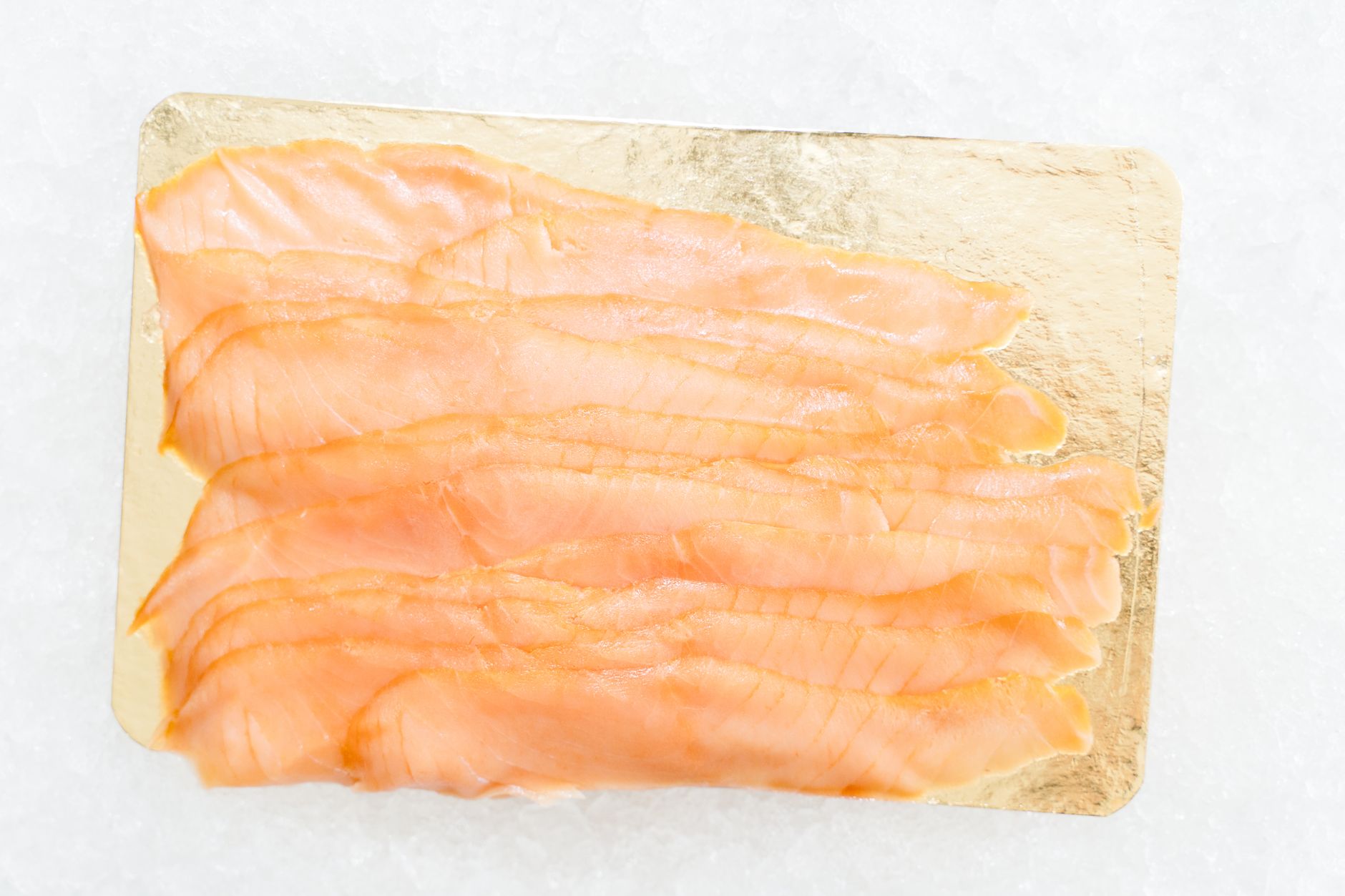
- Fish: Salmon is the star of cold smoking. Incorporating brining before smoking enhances flavor and moisture retention.
- Dairy: Cheese, particularly varieties like cheddar, gouda, and mozzarella, can absorb smoky flavors well.
- Nuts: Nuts like almonds, pecans, and walnuts benefit from cold smoking, providing them with a rich, savory taste.
- Vegetables: Items like tomatoes, peppers, and mushrooms can be cold smoked to create unique flavors.
- Spices: Whole spices can also be cold smoked to elevate their flavor profiles dramatically.
Flavor Profile of Cold Smoked Foods
The distinctive flavor imparted through cold smoking is characterized by a rich, smoky essence that doesn’t overpower the original taste of the ingredient. The degree of smokiness largely depends on the type of wood used and the duration of the smoking process. Common wood choices and their flavor profiles include:
- Hickory: Offers a strong, hearty smoke flavor that pairs well with meats.
- Applewood: Provides a mild, sweet smoke that works beautifully with chicken and pork.
- Cherry: Yields a fruity and sweet smoke, which is effective for various meats and vegetables.
- Mesquite: Imparts a very strong smoke flavor, excellent for bold dishes but can overwhelm delicate ingredients.
- Oak: A versatile wood that delivers a balanced, moderate flavor suitable for a wide range of foods.
By experimenting with different hardwoods and blends, cooks can achieve a variety of flavor profiles, tailoring the smoked ingredient to their culinary needs and preferences.
Culinary Uses for Cold Smoking
Cold smoking is not just for adding flavor; it can also be used in diverse culinary applications. Here are some creative ways to incorporate cold-smoked ingredients into your dishes:
- Sandwiches and Wraps: Cold-smoked meats and fish add depth to sandwiches, offering a surprising and flavorful twist.
- Salads: Incorporating cold-smoked salmon or cheese into salads introduces new textures and savory notes, enhancing the dish.
- Appetizers: Cold-smoked nuts and vegetables make for excellent appetizers, providing a unique flavor that surprises the palate.
- Garnishes: Cold-smoked spices can be used to season dishes or as a refined garnish to enhance the presentation and taste.
- Cheese Boards: Cold-smoked cheeses are a standout item on cheese boards, perfectly complemented by fruits, crackers, and charcuterie.
Getting Started with Cold Smoking
If you’re interested in trying cold smoking at home, here is a guide to help you achieve success:
Essential Equipment for Cold Smoking
To start cold smoking, you’ll need the right equipment. Here’s a list of essentials:
- Cold Smoker: You need a cold smoking unit or an attachment for your grill to control the temperature and smoke flow.
- Wood Chips: Select high-quality hardwood chips that match your flavor preferences.
- Food Thermometer: Ensure food stays at safe temperatures during the smoking process.
- Brining Supplies: If you plan to brine fish or meats before cold smoking, have salt, sugar, and spices ready.
- Smoke Box or Tray: You’ll need a smoke box or tray for wood chips to facilitate the smoking process.
Step-by-Step Cold Smoking Process
Here is a basic step-by-step guide to cold smoking your choice of food:
- Preparation: Depending on the food, it may need brining or marinating first. For meats and fish, brining overnight can enhance moisture and flavor.
- Setting Up the Smoker: Arrange your cold smoker or grill with wood chips in the smoke box, ensuring there’s a controlled airflow to maintain lower temperatures.
- Temperature Control: Monitor and maintain the temperature within the 68°F to 86°F range throughout the smoking process to avoid cooking the food.
- Smoking Duration: Cold smoking times vary: cheese takes about 1–2 hours, while meats and fish may take anywhere from 3 to 24 hours depending on thickness and desired smokiness.
- Cooling: Once cold smoking is complete, allow the food to cool down, enhancing the smokiness as it rests.
- Storage: Cold-smoked items should be stored in the refrigerator, especially if not fully dried or cured, to prevent spoilage.
Common Mistakes and Troubleshooting in Cold Smoking
As with any cooking technique, cold smoking comes with potential pitfalls. Here are some common mistakes to avoid and tips for troubleshooting:
- Temperature Control: Keeping the right temperature is crucial; too high, and you risk cooking the food. Use a reliable thermometer to monitor the temperature closely.
- Over-Salting: When brining, overuse salt can lead to excessively salty food. Always follow brining recipes carefully.
- Smoke Quality: Use dry wood chips specifically intended for smoking, as damp wood can produce bitter flavors. Experiment with different wood types to find what suits your palate.
- Insufficient Airflow: Ensure your smoker setup allows proper airflow. This helps maintain smoke circulation and avoids any build-up of harmful substances.
Serving Suggestions for Cold Smoked Dishes
Once your cold-smoked ingredients are ready, there are endless possibilities for serving them. Here are some ideas:
- Platter Displays: Present an assortment of cold-smoked meats, cheeses, and vegetables on a platter for stunning appetizers.
- Pairing with Drinks: Cold smoked fish pairs beautifully with cocktails or white wines, while smoked meats complement robust red wines.
- Creative Condiments: Serve cold-smoked ingredients with homemade dips or sauces that enhance their flavors, such as lemon-dill sauce for smoked salmon.
Storage and Shelf Life of Cold Smoked Foods
Proper storage is key to enjoying your cold-smoked creations. Here are important points to consider:
- Keep cold-smoked items in an airtight container to preserve their smoky flavors and to prevent them from absorbing other odors from the fridge.
- Typically, cold-smoked items can be stored in the refrigerator for up to a week, depending on the food type and storage conditions.
- If you intend to keep smoked foods for longer, consider vacuum sealing or freezing them for extended shelf life.
Conclusion
Cold smoking is a fascinating culinary technique that allows you to infuse foods with robust flavors while preserving their original qualities. With the right ingredients, equipment, and knowledge, you can create delicious cold-smoked items that will elevate your dishes and impress your guests. Embrace the art of cold smoking and explore the myriad flavors it offers!
For more culinary inspiration, check out our guides on how long to smoke chicken thighs and our smoked beef ribs recipe.