
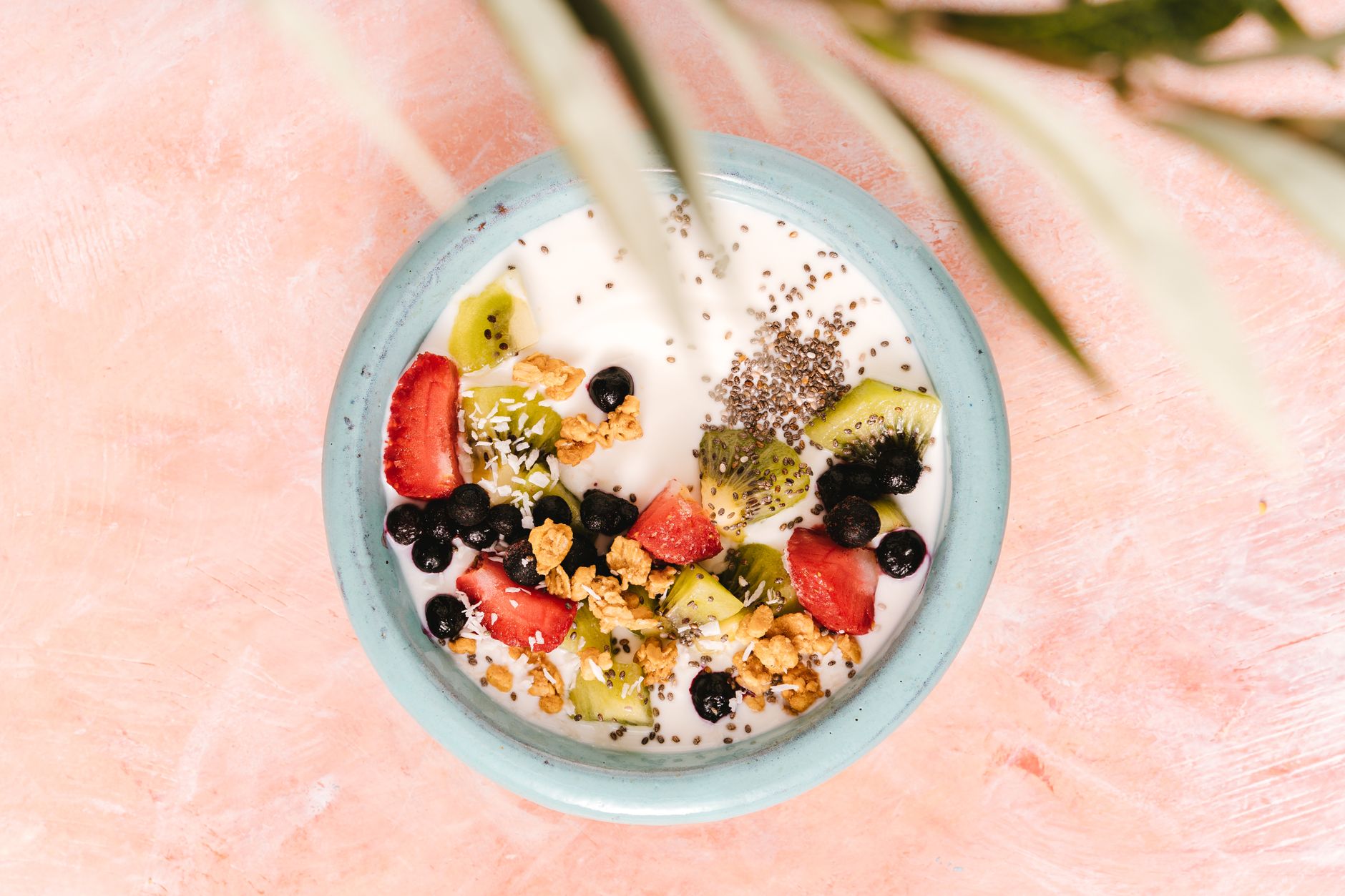
Coconut milk is a creamy liquid made from the grated flesh of mature coconuts. This versatile ingredient plays a pivotal role in many cuisines, particularly in Southeast Asia, the Caribbean, and South America. It can add richness and depth to both savory and sweet dishes, making it a popular choice for various culinary applications.
Its flavor is mildly sweet and nutty, making coconut milk an excellent base for soups, curries, desserts, and beverages. In this guide, we will explore the ingredients, taste, and diverse culinary uses of coconut milk, allowing you to harness its full potential in your kitchen.
What Is Coconut Milk?
Coconut milk is produced by blending shredded coconut meat with water and then straining it to extract the liquid. This process can yield varying thicknesses of milk depending on the water-to-coconut ratio used. It is important to distinguish coconut milk from coconut water, which is the clear liquid found inside a young coconut.
Ingredients of Coconut Milk
The primary ingredient in coconut milk is, unsurprisingly, coconut. However, there are different variations of coconut milk, each with unique ingredients:
- Fresh Coconut Milk: Made from fresh grated coconut and water.
- Canned Coconut Milk: Usually contains coconut extract and water, and sometimes additives for stability.
- Commercial Coconut Milk Beverages: Often fortified and flavored, they may include stabilizers, sweeteners, or preservatives.
Fresh coconut milk is typically the richest and most flavorful, though canned options are convenient and widely available. When reading labels, it is beneficial to look for coconut milk that is free from additives if you prefer a more natural product.
Taste and Texture of Coconut Milk
Coconut milk has a distinctive taste that is both creamy and mildly sweet with a subtle coconut flavor. The texture varies depending on how thick the milk is; thicker varieties are often luscious and velvety, while lighter versions can be more akin to a beverage consistency.
The richness of coconut milk enhances dishes, providing a wonderful contrast to spicy or acidic flavors. It melds beautifully in both savory and sweet dishes, making it a staple in various culinary styles.
Culinary Uses of Coconut Milk
Coconut milk is incredibly versatile and can be utilized in different culinary applications. Here are some popular uses:
1. Curries and Soups
In many Asian cuisines, such as Thai and Indian, coconut milk is a foundational ingredient in curries. Its creaminess helps to balance the heat from spices, creating a harmonious dish. Consider using coconut milk in recipes for:
- Thai Green Curry
- Tom Kha Gai (Thai Coconut Soup)
- Massaman Curry
2. Desserts
Coconut milk is frequently used in desserts, adding sweetness and creaminess without the need for dairy. Some favorite dessert options include:
- Coconut Rice Pudding
- Panna Cotta with Coconut Milk
- Coconut Flan
It can also be used in dairy-free ice cream and smoothie recipes, appealing to those with lactose intolerance or those following a vegan diet.
3. Beverages
Coconut milk can be enjoyed in various beverages, both hot and cold. It serves as a delightful alternative to dairy milk in coffee, tea, or blended drinks. Popular coconut milk beverage recipes include:
- Coconut Latte
- Coconut Smoothies
- Coconut Margaritas
4. Baking
In baking, coconut milk can replace regular milk, adding a unique flavor to baked goods such as cakes, muffins, and pancakes. It provides moisture and richness while contributing a subtle coconut aroma.
5. Sauces and Dressings
In addition to its use in core dishes, coconut milk can enhance sauces and dressings. It can create creamy salad dressings, marinades, or dip recipes, giving meals a tropical twist.
How to Use Coconut Milk
When using coconut milk, consider the following guidelines to help you achieve the best results:
- Shake well: Canned coconut milk often separates, so give it a good shake or stir before using.
- Choose the right type: Select thick or light coconut milk based on the dish you are preparing. Thicker coconut milk works well in curries, while lighter versions are suitable for soups or beverages.
- Combine with other flavors: Coconut milk pairs well with spices like ginger, garlic, curry powder, and lime, enhancing the flavor profiles of the dishes.
Practical Substitutions
If you find yourself lacking coconut milk or need an alternative for dietary reasons, several substitutions exist. Each has its pros and cons:
- Almond Milk: A nut-based milk that is lighter in texture but lacks the strong coconut flavor. Best for baking or lighter soups.
- Soy Milk: A plant-based alternative with a similar creaminess, suitable for savory dishes but may alter the taste.
- Cashew Milk: Rich and creamy, but still lacks coconut flavor. Great for a similar texture in desserts or puddings.
- Oat Milk: Offers a creamy texture and mild flavor. It provides good results in smoothies and baking.
Common Mistakes to Avoid
Utilizing coconut milk may seem straightforward, but common pitfalls can lessen the outcome.
- Neglecting to shake canned coconut milk: Always mix your canned coconut milk; otherwise, the cream and liquid may not blend, affecting the texture of your dish.
- Using an incorrect ratio: When combining coconut milk with other liquids or ingredients, ensure you maintain proper ratios for desired consistency.
- Overheating: Coconut milk can curdle if exposed to high heat for an extended time. Heat gently and remove from heat as soon as it reaches the desired consistency.
How to Store Coconut Milk
Storage practices vary based on whether you are using canned or homemade coconut milk:
Canned Coconut Milk
Once opened, canned coconut milk should be stored in the refrigerator in an airtight container. It typically lasts for about 4 to 7 days. Additionally, you can freeze leftover coconut milk in ice cube trays for easy future use.
Homemade Coconut Milk
Homemade coconut milk, due to its lack of preservatives, should be consumed within 3 to 4 days when refrigerated. For longer storage, freezing is also an option.
Nutritional Profile of Coconut Milk
Coconut milk is rich in healthy fats, particularly medium-chain triglycerides (MCTs), which are known for their potential health benefits. However, it is also calorie-dense, so it is wise to consume it in moderation.
While coconut milk contains some vitamins, like Vitamin C and several B vitamins, consider pairing it with other nutrient-rich foods to ensure a balanced diet.
Health Benefits and Considerations
In moderation, coconut milk can be a part of a healthy diet. Its MCTs may provide energy and support weight management. However, due to its high saturated fat content, those with specific dietary restrictions or heart concerns should consult a healthcare professional regarding its inclusion in their diet.
Conclusion
Coconut milk is a versatile ingredient that adds richness, flavor, and creaminess to a wide array of dishes. From soups and curries to desserts and beverages, it can easily elevate well-loved recipes. With various types and brands available, incorporating coconut milk into your cooking can be both delightful and rewarding.
If you’re exploring the flavors of coconut milk, consider trying out recipes like Chia Pudding or a refreshing Coconut Margarita. Expand your culinary repertoire by enjoying the rich and creamy world of coconut milk.