
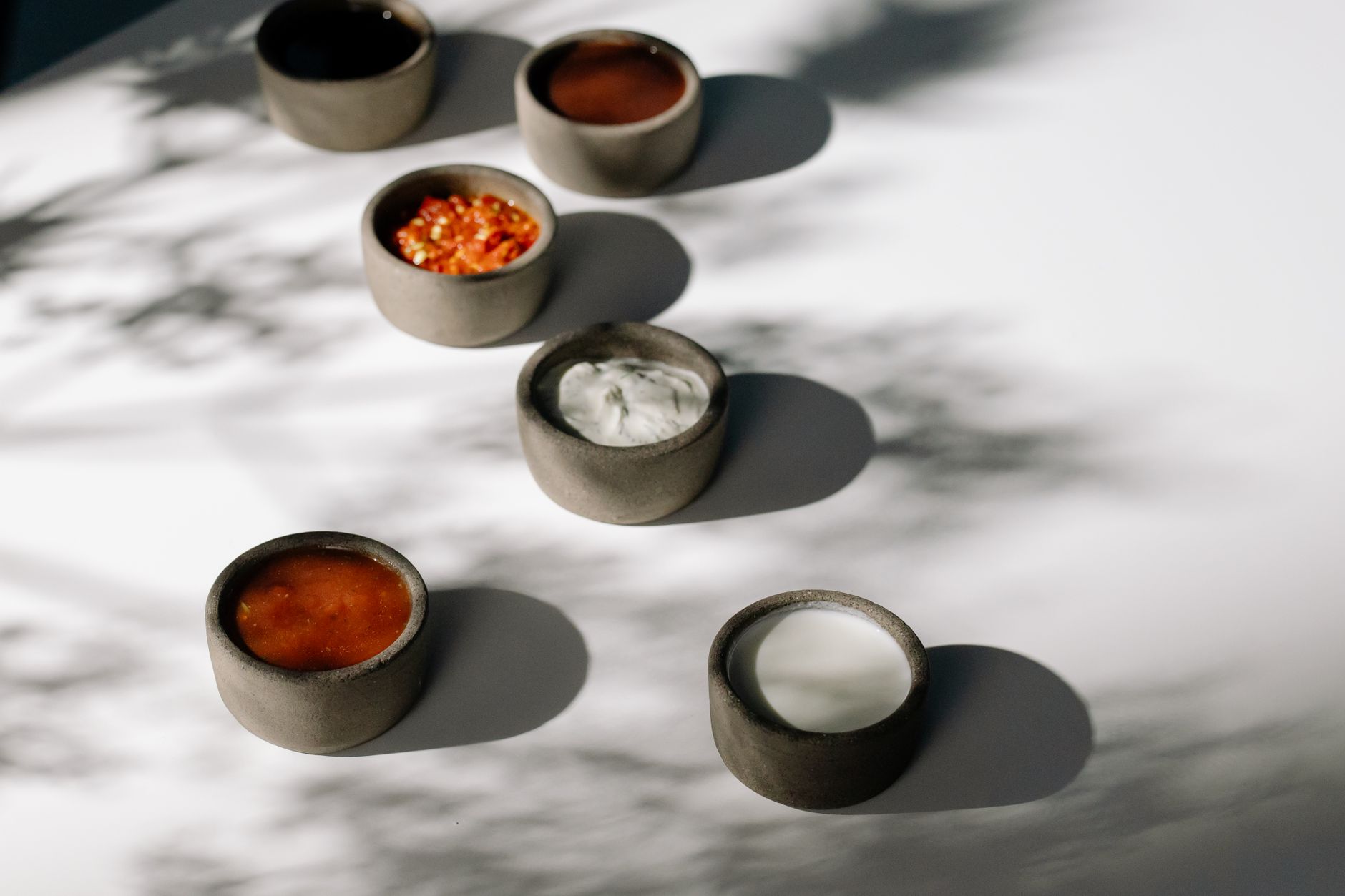
Chutney is a versatile condiment that plays a significant role in enhancing the flavor of various dishes. Originating from Indian cuisine, it is typically made from fruits, vegetables, and spices, resulting in a delightful blend of sweet, sour, and spicy flavors. Understanding how to use chutney can elevate your culinary creations and make your meals more exciting.
This article will delve into the various uses of chutney, including recipe ideas, storage tips, and cooking applications. By the end, you will have a thorough understanding of how chutney can be a valuable addition to your cooking repertoire.
What Is Chutney Used For?
Chutney is used to complement, enhance, and pair with a wide range of dishes. It can serve as a condiment, marinade, or even an ingredient in recipes, providing flavor, moisture, and texture. From accompanying meats and cheeses to adding a zing to sandwiches and salads, chutney is a culinary star.
Common Uses of Chutney
Chutney can elevate everyday meals with its rich flavors and textures. Below are some common ways to use chutney in your cooking:
- Condiment for Dishes: Serve chutney alongside curries, grilled meats, or roasted vegetables to add depth and complementary flavors.
- Spread for Sandwiches and Wraps: Use chutney as a spread in sandwiches or wraps for a flavor boost.
- Glaze for Meats: Brush chutney onto grilled or roasted meats during the last few minutes of cooking for a shiny, flavorful glaze.
- Ingredient in Marinades: Mix chutney with oil, vinegar, and spices to create a marinade for meats or tofu.
- Flavor Enhancer for Soups and Stews: Stir a spoonful of chutney into soups or stews to add complexity and sweetness.
- Dip for Snacks: Serve chutney as a dip paired with crispy snacks like samosas, pakoras, or crackers.
- Complement to Cheeses: Pair chutney with cheese platters to balance the richness of cheeses.
- Salad Dressing: Incorporate chutney into salad dressings for a unique and zesty sauce.
Types of Chutney
Chutney comes in various forms, each offering distinct flavors and uses. Here’s a look at some of the most popular types of chutney:
Fruit Chutneys
Fruit chutneys, such as mango or apple chutney, are typically sweet and can pair well with both savory and sweet dishes. They can be served with cheeses, alongside meats, or as a topping for desserts.
Vegetable Chutneys
Vegetable chutneys are often tangy and less sweet than fruit-based ones. Tomato chutney and mint chutney are great options to level up your grilled meats and sandwiches.
Herbal Chutneys
Herbal chutneys focus on fresh herbs like coriander and mint and are usually bright and flavorful. They are perfect for use as dips for snacks or toppings for curries.
Spicy Chutneys
Spicy chutneys can include ingredients like chili peppers, ginger, and garlic, adding heat as well as flavor to dishes. They can enhance grilled vegetables or roasts dramatically.
Chutney Recipes
Creating chutney at home is simple and rewarding. Here are a couple of recipes to get you started:
Basic Mango Chutney
This sweet and tangy mango chutney is perfect for pairing with meats, cheeses, or even as a spread for sandwiches.
Yield: About 2 cups
Preparation Time: 10 minutes
Cooking Time: 30 minutes
Total Time: 40 minutes
Ingredients
- 2 ripe mangoes (peeled, pitted, and diced)
- 1 cup sugar
- 1/2 cup apple cider vinegar
- 1 onion (finely chopped)
- 1 teaspoon ginger (grated)
- 1/2 teaspoon mustard seeds
- 1/2 teaspoon ground cinnamon
- 1/4 teaspoon ground cloves
- Salt to taste
Method
- In a large saucepan, combine all the ingredients.
- Bring the mixture to a boil over medium heat, then reduce to low heat.
- Simmer for about 30 minutes, or until the chutney thickens, stirring occasionally to prevent sticking.
- Once thick, remove from heat and let cool before transferring to a jar or container.
- Store in the refrigerator for up to two weeks.
Mint Chutney
This refreshing mint chutney is a fantastic dip for snacks and pairs wonderfully with meat dishes.
Yield: About 1 cup
Preparation Time: 10 minutes
Cooking Time: None
Total Time: 10 minutes
Ingredients
- 2 cups fresh mint leaves
- 1/2 cup fresh coriander leaves
- 1 small green chili (adjust to taste)
- 1 teaspoon sugar
- 1 tablespoon lemon juice
- Salt to taste
- Water as needed
Method
- Combine mint leaves, coriander leaves, green chili, sugar, lemon juice, and salt in a blender.
- Add a little water to help with blending, then process until you have a smooth paste.
- Taste and adjust seasoning as necessary.
- Transfer to a container and refrigerate for up to a week.
Storage and Shelf Life of Chutney
How you store chutney can greatly impact its freshness and longevity. Here are some best practices:
Refrigeration
Most homemade chutneys can be stored in an airtight container in the refrigerator. They typically last for 1 to 2 weeks. Always use a clean spoon when serving to avoid contamination.
Freezing
If you want to store chutney for a longer period, consider freezing it. Place the chutney in freezer-safe containers, leaving room for expansion, and it can last for up to six months. Thaw in the refrigerator before use.
Common Mistakes and Troubleshooting
When making chutney, cooking can sometimes lead to mishaps. Here are some common mistakes and how to avoid them:
- Overcooking: This can lead to burnt chutney or a less vibrant flavor. Keep an eye on your chutney while it’s simmering and stir frequently.
- Imbalanced Flavors: If the chutney tastes too sweet or acidic, adjust by adding more salt, sugar, or spices gradually until a balanced flavor is achieved.
- Inadequate Cooling: Allow chutney to cool fully before refrigerating. This prevents moisture accumulation and spoilage.
Serving Suggestions
Chutney can be served in several creative and appealing ways:
- Cheese Platter: Pair sweet chutneys with creamy cheeses like Brie or goat cheese, and serve with crackers or bread.
- Grilled Meat: Use fruit chutneys as a glaze for grilled chicken or pork, adding a sweet and tangy note.
- As a Dipping Sauce: Serve chutney with snacks like samosas, pakoras, or naan as a dipping sauce.
- On Burgers: Spread chutney directly onto burgers or sandwiches for a unique twist.
Chutney Variations
Experimenting with different chutney variations can enhance your culinary experience. Below are some ideas to inspire your next chutney creation:
- Apple and Onion Chutney: Combine apples, onions, and spices for a sweet and tangy option that pairs well with pork.
- Spicy Tomato Chutney: Use roasted tomatoes along with chilies, garlic, and spices for a fiery dip or spread.
- Carrot and Ginger Chutney: Grate carrots and mix with ginger, garlic, and sugar for a sweet and zesty addition to sandwiches.
Common Ingredient Substitutions
Sometimes you may find yourself lacking an ingredient for your chutney. Here are some practical substitutions:
- Mango: If mango isn’t available, try using peach or pineapple for sweetness.
- Apple Cider Vinegar: Substitute with white vinegar or rice vinegar for similar acidity.
- Coriander Leaves: If fresh coriander is unavailable, fresh parsley works in a pinch.
Chutney in Various Cuisines
While chutney is often associated with Indian cuisine, other cultures also have similar condiments:
- British Chutney: Often thick and fruit-based, British chutneys are popular with cheese and meats.
- Latin American Salsas: While technically different, many salsas serve similar purposes to chutneys, offering vibrant flavors to accompany foods.
- Salsa Verde: The Italian green sauce, made of herbs, capers, and oil, provides a fresh and zesty kick.
Chutney Pairings
Here are some fantastic pairing suggestions to enhance your chutney experience:
- Pair mango chutney with grilled chicken or fish for a sweet and savory contrast.
- Mint chutney complements lamb dishes beautifully, adding freshness.
- Tomato chutney is fantastic with roasted vegetables or as a dip for breadsticks.
Why Make Your Own Chutney?
While store-bought chutneys are convenient, making your own offers several advantages:
- Customization: You can adjust levels of sweetness, acidity, and spice according to your liking.
- Fresh Ingredients: Homemade chutneys allow you to use fresh ingredients without preservatives.
- Cost-Efficiency: Making chutney at home can be more economical than purchasing specialty varieties.
Chutney serves as a delightful addition to many meals, and with the information provided here, you can explore an array of uses, recipes, and storage solutions. It’s a condiment that not only enhances flavors but also encourages creativity in the kitchen. Whether you try your hand at making your own or find the perfect jar at the store, chutney is sure to spice up your next dining experience.
For further exploration, check out our guides on salsas and sauces, fruity condiments, and meal planning for more deliciously inspiring ideas in the kitchen.