
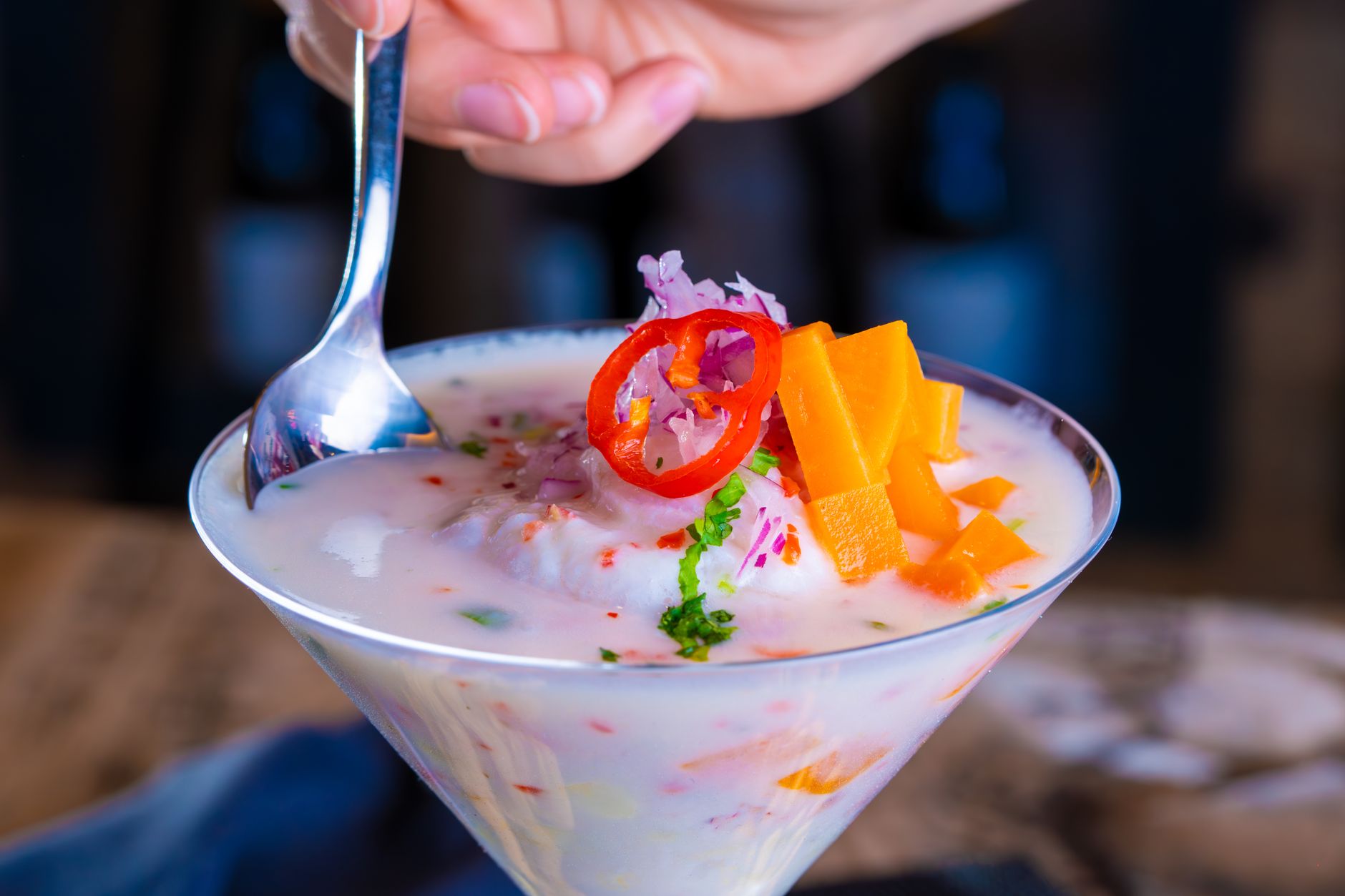
Ceviche is a traditional dish widely enjoyed in Latin America, particularly in coastal regions. It primarily consists of raw fish marinated in citrus juices, which effectively “cooks” the fish without heat. This dish is celebrated for its fresh flavors, vibrant colors, and delightful textures.
Unlike many seafood dishes that rely on cooking, ceviche’s unique preparation highlights the natural flavors of the fish and accompanying ingredients. Understanding ceviche’s ingredients, taste, and culinary uses offers a new appreciation for this refreshing dish.
What Is Ceviche Food?
Ceviche is a dish made from raw fish or seafood that is cured in citrus juices, primarily lime or lemon juice. The acidity from the citrus causes the fish to change texture and color, mimicking the cooking process. Typically, ceviche is enhanced with various ingredients, such as onions, chili peppers, cilantro, and sometimes fruits or vegetables.
This dish is well-known in several Latin American countries, each with its variations depending on local tastes and ingredients. First created in Peru, ceviche has evolved into countless interpretations, making it a versatile option for different palates.
Key Ingredients in Ceviche
While ceviche recipes may vary significantly, some common ingredients are essential to achieving its characteristic taste and texture. Here’s a closer look at the fundamental components:
- Fish or Seafood: Freshness is crucial. Common choices include white-fleshed fish like snapper, tilapia, or seabass. Shrimp, squid, and octopus can also be used.
- Citrus Juices: Lime juice is the most traditional, but lemon juice can be equally effective. The acidity is what “cooks” the fish.
- Onions: Red onions are often preferred for their mild flavor and vibrant color, though white onions are also used.
- Chili Peppers: They add a spicy kick. Varieties such as jalapeño or aji amarillo are popular choices.
- Cilantro: Fresh cilantro provides a distinct herbal flavor that complements the dish.
- Salt: Enhances all the flavors and helps draw moisture from the ingredients.
- Additional Ingredients: Many recipes include diced tomatoes, avocado, mango, or cucumber for added flavor and texture.
Flavor Profile and Texture
The flavor profile of ceviche is vibrant and refreshing. The fish or seafood has a clean, briny taste, while the citrus juice introduces a bright acidity. Onions and cilantro contribute earthy notes, and the crunch of any additional vegetables enhances the overall experience.
In terms of texture, ceviche is typically light and airy due to the marination process. The fish becomes firm yet tender, while the added ingredients, like diced onions and peppers, provide a satisfying crunch.
Culinary Uses and Serving Suggestions
Ceviche serves as a versatile dish suitable for various occasions. Here are some common culinary uses and serving suggestions:
- Appetizer: Ceviche is often served as a starter, paired with tortilla chips or plantain chips.
- Main Course: In larger portions, ceviche may act as a light main dish, ideally served over a bed of lettuce or mixed with other salad ingredients.
- Cocktails: Ceviche can be transformed into a refreshing cocktail by serving it in glassware and accompanied by a light beverage.
- Sandwich Fillings: Adding ceviche to a sandwich can create an exciting combination for lunch, providing a unique twist on classic seafood sandwiches.
- Street Food: In many Latin American countries, ceviche is sold by street vendors, often served in small cups or bowls, making it a popular on-the-go snack.
Ceviche Variations by Region
Different countries have their own ceviche variations, each showcasing local seafood, spices, and preparation methods. Here’s a brief overview of some popular regional variations:
Peruvian Ceviche
This is perhaps the most famous style, centering on fresh white fish marinated in lime juice, red onions, cilantro, and aji amarillo. Served with sides like sweet potato and corn, Peruvian ceviche embodies its cultural roots.
Mexican Ceviche
In Mexico, ceviche often incorporates fresh shrimp or fish, diced tomatoes, avocado, and lime juice. This variation is typically more colorful and may be served with salsa or crispy tortilla chips.
Ecuadorian Ceviche
Ecuadorian ceviche varies by region but generally includes added tomato sauce or blended sauce for a richer consistency. Often served with popcorn or patacones (fried green plantains), it’s a hearty option.
Chilean Ceviche
Chilean ceviche typically utilizes the local fish known as reineta, mixed with lemons, red onion, and coriander, sometimes accompanied by olives. Its preparation often highlights the fish’s natural flavors more than other variations.
Preparing Ceviche at Home
Making ceviche at home is relatively simple but depends significantly on the quality of your ingredients. This section outlines essential steps for preparing ceviche:
Choosing the Right Fish
Freshness is vital. Purchase fish from a trusted source, ensuring it is labeled “sushi grade” if intended for raw consumption. Common choices include:
- Snapper
- Grouper
- Tilapia
- Mahi-mahi
- Sole
Ceviche Recipe
Here’s a basic recipe for classic ceviche to try at home.
Yield:
Serves 4 as an appetizer or 2 as a main course.
Preparation Time:
15 minutes
Marinating Time:
30 minutes
Total Time:
45 minutes
Ingredients:
- 1 pound of fresh white fish (e.g., snapper, tilapia), cut into 1/2-inch cubes
- 1 cup fresh lime juice (about 8 limes)
- 1 small red onion, thinly sliced
- 1-2 jalapeño peppers, seeds removed and finely chopped (adjust to taste)
- 1/2 cup fresh cilantro, chopped
- Salt, to taste
- Optional: diced avocado and diced tomatoes for garnish
Essential Equipment:
- Glass or ceramic bowl (avoid metal to prevent reaction with citrus)
- Sharp knife
- Cutting board
- Measuring cup
- Mixing spoon
Instructions:
- In a glass or ceramic bowl, combine the fish and lime juice. Ensure the fish is completely submerged in the juice.
- Cover tightly with plastic wrap and let the mixture marinate in the refrigerator for 30 minutes. The fish should appear opaque when done.
- After marinating, add the red onion, jalapeño, salt, and cilantro. Stir gently to combine.
- If desired, add diced avocado and tomato as garnish.
- Serve immediately with tortilla chips or on a bed of lettuce.
Tips for Perfect Ceviche
- Always use the freshest fish possible. This significantly impacts the taste and safety of the dish.
- Adjust the lime juice according to your taste preference. More juice equals a tangier flavor.
- Marination time can vary. Check that the fish is opaque and has a firm texture but still tender.
- For added complexity, experiment with tropical fruits like mango or pineapple to sweeten the dish.
Common Mistakes to Avoid
Preparing ceviche can be straightforward, but here are some common pitfalls to avoid:
- Using old fish: Always ensure your fish is as fresh as possible to prevent off flavors or foodborne illness.
- Marinating for too long: Over-marinating can lead to a mushy texture. Aim for 30 minutes unless using firmer fish types.
- Using metal utensils or bowls: Citrus can react with metal, altering the taste. Stick with glass or ceramic.
- Neglecting seasoning: Don’t forget to salt! It’s essential for enhancing the overall flavor.
Storing Ceviche
Ceviche is best enjoyed fresh. If you have leftovers, you can store them in the refrigerator for up to two days. However, the texture of the fish may continue to change as it marinates, resulting in a firmer consistency.
Follow these guidelines for proper storage:
- Transfer the ceviche to an airtight container to maintain freshness.
- Keep it chilled in the refrigerator until serving.
- Avoid freezing ceviche, as the texture of the fish will be compromised upon thawing.
Health Considerations
While ceviche is a healthy seafood option, there are factors to consider:
- Freshness: Always prioritize high-quality, fresh seafood to minimize the risk of foodborne illnesses.
- Mercury Levels: Some fish may contain higher levels of mercury. Pregnant women and young children should avoid high-mercury species.
- Acidity: The acidity from citrus juice can sometimes aggravate acid reflux or heartburn in sensitive individuals.
Exploring Beyond Traditional Ceviche
If you enjoy ceviche, consider experimenting with alternative proteins and flavors:
- Tuna Ceviche: Rich and meaty, tuna adds a different texture while maintaining freshness.
- Vegetable Ceviche: For a vegetarian twist, consider marinating diced vegetables such as zucchini and cauliflower.
- Fruit Ceviche: Incorporating fruits like mango or watermelon can create a refreshing summertime snack.
Ceviche exemplifies the beauty of simplicity in culinary creation. From its fresh ingredients to its vibrant flavors, this dish is a fantastic addition to any meal plan or gathering. Now is the perfect time to try making ceviche at home or sampling different regional variations to appreciate its diversity.
Explore fresh ingredients, culinary tips, and more by delving into our food guides and recipes. Learn about healthy seafood choices, tips for cooking with citrus, or discover creative ways to enjoy fresh salad recipes.