
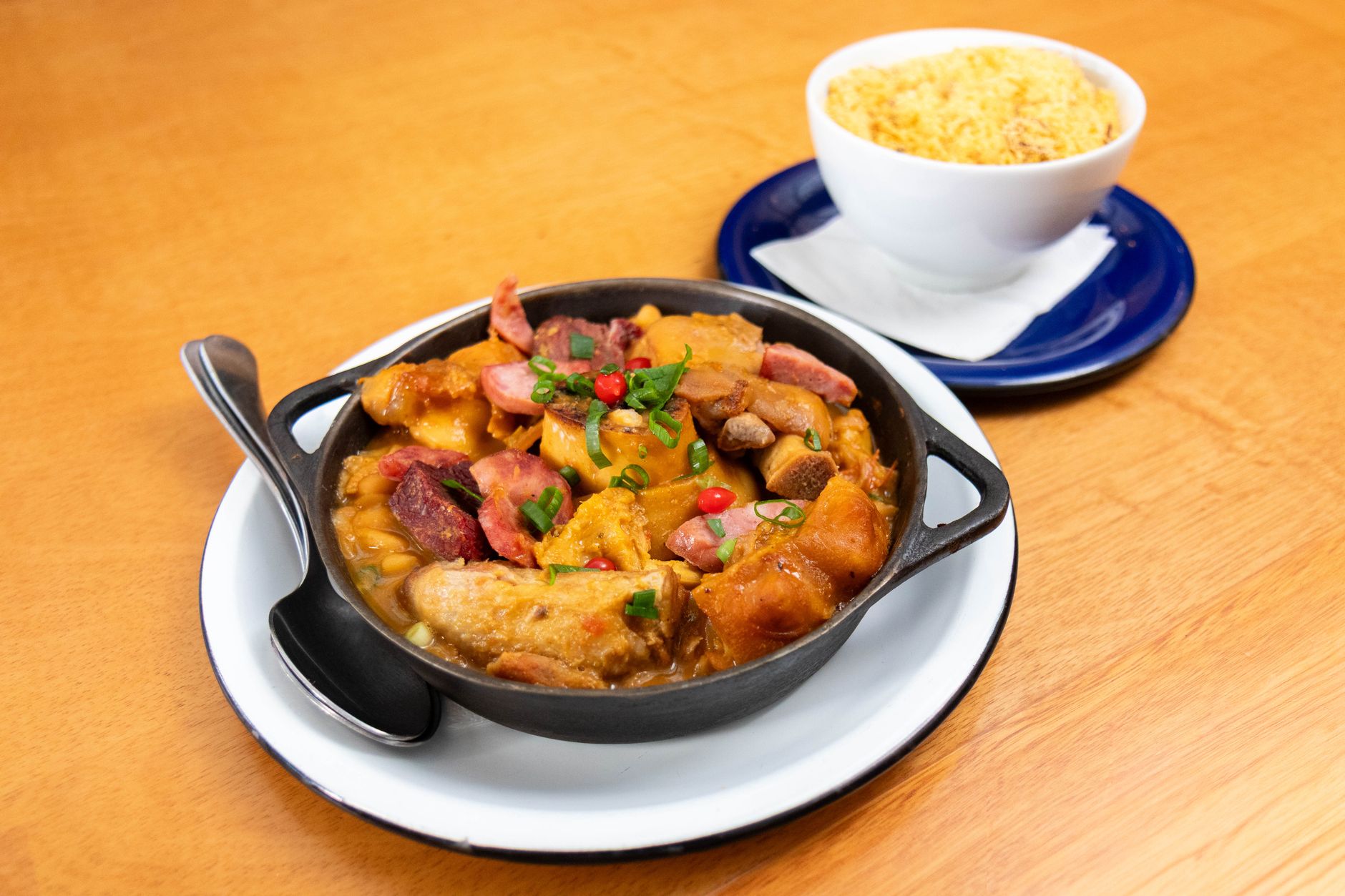
Cassoulet is a classic French casserole known for its rich flavors and hearty ingredients. Hailing from the southwestern region of France, particularly Toulouse, this dish is a comfort food favorite celebrated for its slow-cooked, savory profile. Each spoonful reveals a tapestry of textures and tastes, making it a satisfying meal perfect for gatherings or family dinners.
This article will delve into what cassoulet is, its key ingredients, flavor profiles, variations, serving suggestions, and more, providing you with a comprehensive understanding of this beloved dish.
What Is Cassoulet?
Cassoulet is a slow-cooked dish typically made with meat, white beans, and a variety of spices. Traditionally featuring duck, pork, and sausage, it is cooked slowly to allow the flavors to meld beautifully. The dish is renowned for its complex flavors, creamy beans, and a crispy topping formed during the baking process.
History and Origin of Cassoulet
The origins of cassoulet date back to the Middle Ages, with various regions across France laying claim to their unique versions. The name ‘cassoulet’ is derived from the ‘cassole,’ a round, deep dish from the town of Castelnaudary, which is credited with creating the first version of this casserole. Over the centuries, cassoulet evolved, each region contributing local ingredients to create distinct variations.
In its early manifestations, cassoulet was prepared as a hearty stew made with meats available to the cook and a mix of beans. Today, it is often viewed as a celebratory dish, perfect for special occasions.
Key Ingredients in Cassoulet
The essential ingredients of cassoulet can vary by region and personal preference, but here are the core components typically found in this dish:
- White Beans: The base of the dish; typically, the haricot bean or cannellini bean is used. These beans are creamy and firm, providing a solid foundation for the other ingredients.
- Meats: Traditionally, cassoulet includes a combination of meats such as duck confit, pork shoulder, sausage (such as Toulouse sausage), and sometimes lamb or goose. Each type of meat adds unique flavors and textures.
- Vegetables: Onions, garlic, and sometimes carrots are included for added depth of flavor.
- Herbs and Spices: Commonly used herbs include thyme, bay leaves, and parsley, which enhance the flavor profile. Some recipes also call for smoked paprika or pepper for additional warmth.
- Liquid: Chicken or vegetable broth is usually added to create a luscious sauce in which the beans and meats can cook slowly.
- Bread Crumbs: Many versions of cassoulet finish with a crispy topping made from bread crumbs, which can add a delightful crunch.
Flavor Profile of Cassoulet
Cassoulet is celebrated for its deep, savory flavors. The slow cooking process allows the proteins to tenderize and infuse the beans with rich, meaty juices. The result is a creamy, hearty dish with a complex flavor profile that ranges from savory to slightly sweet, largely depending on the meats and seasoning used.
The flavors of cassoulet can be described as:
- Rich: The combination of meats brings an indulgent richness that is unmistakable.
- Hearty: The beans contribute a satisfying texture that makes the dish filling and comforting.
- Herbaceous: Fresh and dried herbs elevate the dish, providing aromatic brightness against the savory backdrop.
- Umami: The long cooking time allows the umami flavors from the meats to meld together, creating a complex depth that is both satisfying and delicious.
How to Serve Cassoulet
Cassoulet is typically served as a main course due to its rich and hearty nature. Here are some practical ways to present and serve this dish:
- With Crusty Bread: Serve your cassoulet with slices of crusty French bread to soak up the sauce, enhancing the experience of each bite.
- Accompanying Salads: A light, crisp salad can balance the richness of cassoulet. Consider a simple mixed greens salad with a vinaigrette.
- Wine Pairing: Cask wines like Côtes du Rhône or a hearty red like Bordeaux complement cassoulet well, enhancing the flavors of the dish.
- Garnish: Fresh herbs, such as parsley or chives, can be sprinkled on top just before serving, adding color and freshness.
Making Cassoulet: A Step-by-Step Guide
Here’s a detailed recipe to guide you through the process of making traditional cassoulet:
Yield
Serves about 6 to 8 people.
Preparation Time
20 minutes (plus additional time for soaking beans, if using dry beans)
Cooking Time
Approximately 3 to 4 hours, depending on the ingredients used.
Total Time
About 4 to 5 hours, including soaking time for dried beans.
Ingredients
- 1 pound dried white beans (haricot or cannellini), soaked overnight
- 1 pound duck legs (confits, if available)
- 1 pound pork shoulder, cut into 1-inch cubes
- 1 pound smoked sausage, sliced (preferably Toulouse sausage)
- 1 onion, diced
- 2 cloves garlic, minced
- 2 cups chicken broth
- 2 bay leaves
- 1 tablespoon fresh thyme or 1 teaspoon dried thyme
- Salt and pepper, to taste
- 1 cup breadcrumbs, for topping
Essential Equipment
- Large Dutch oven or heavy pot
- Large mixing bowl for soaking the beans
- Serving dish or individual ramekins for serving
Method
- Soak the Beans: Rinse the soaked beans and place them in a large pot. Cover them with water, bring to a boil, and simmer for about 45 minutes, until just tender. Drain and set aside.
- Sear the Meats: In a large Dutch oven over medium heat, add the duck legs and pork shoulder, searing until browned on all sides. Remove and set aside.
- Add Sausage: In the same pot, add the sliced sausage and cook for a few minutes until browned. Remove and set aside with the other meats.
- Cook Vegetables: Add the diced onion and garlic to the pot, sautéing until translucent, about 5 minutes.
- Combine Ingredients: Return the beans and meats to the pot. Pour in chicken broth, and season with thyme, bay leaves, salt, and pepper. Stir to combine.
- Simmer: Bring the mixture to a boil, cover, and reduce the heat. Simmer for about 2 hours, making sure to stir occasionally.
- Prepare for Baking: Preheat your oven to 325°F (160°C). Transfer the cassoulet mixture to a baking dish or keep it in the Dutch oven. Sprinkle the breadcrumbs on top.
- Bake: Bake in the preheated oven for about 1 hour, or until the bread crumbs are golden brown and crispy. If the top browns too quickly, cover with a piece of foil.
- Serve: Allow to cool slightly before serving, and garnish with fresh herbs if desired. Enjoy your homemade cassoulet!
Common Mistakes and Troubleshooting
When making cassoulet, you may encounter a few challenges. Here is a list of common mistakes and how to avoid them:
- Beans Overcooked: To prevent mushy beans, do not boil them once they are added to the pot. Simmer gently for the best texture.
- Underseasoned: Taste and adjust seasoning throughout the cooking process. Beans and meats can absorb flavors differently, so continual checks are essential.
- Excess Liquid: If your cassoulet turns out too soupy, cook uncovered for the last hour to allow excess moisture to evaporate.
Variations of Cassoulet
Cassoulet can be customized to fit various tastes and dietary preferences. Here are a few variations to consider:
- Vegetarian Cassoulet: Substitute meats with hearty vegetables such as mushrooms, eggplant, and root vegetables, and use vegetable broth.
- Different Meats: You can experiment with the types of meats used, including chicken, rabbit, or even a combination of smoked meats for added flavor.
- Spicy Cassoulet: Add spicy sausage or red pepper flakes to enhance the dish’s heat.
Storage and Reheating Guidance
Leftover cassoulet can be stored effectively for future enjoyment:
- Storage: Allow the leftover cassoulet to cool completely, then transfer it to an airtight container. Store in the refrigerator for up to 3 days or in the freezer for up to 3 months.
- Reheating: To reheat, thaw frozen cassoulet in the refrigerator overnight. Warm it in a pot over low heat, stirring occasionally, until heated through. You may need to add a little broth if it appears too thick.
Conclusion
Cassoulet is more than just a meal; it’s a dish steeped in history and tradition, offering comfort and warmth with every bite. By understanding its ingredients, preparation methods, and variations, you can enjoy a wonderful experience cooking and savoring this iconic French casserole.
To expand your culinary repertoire, explore related recipes or guides such as the art of crafting chili seasoning at this link or learn about the delicate soufflé at this link. Enjoy your cooking journey!