
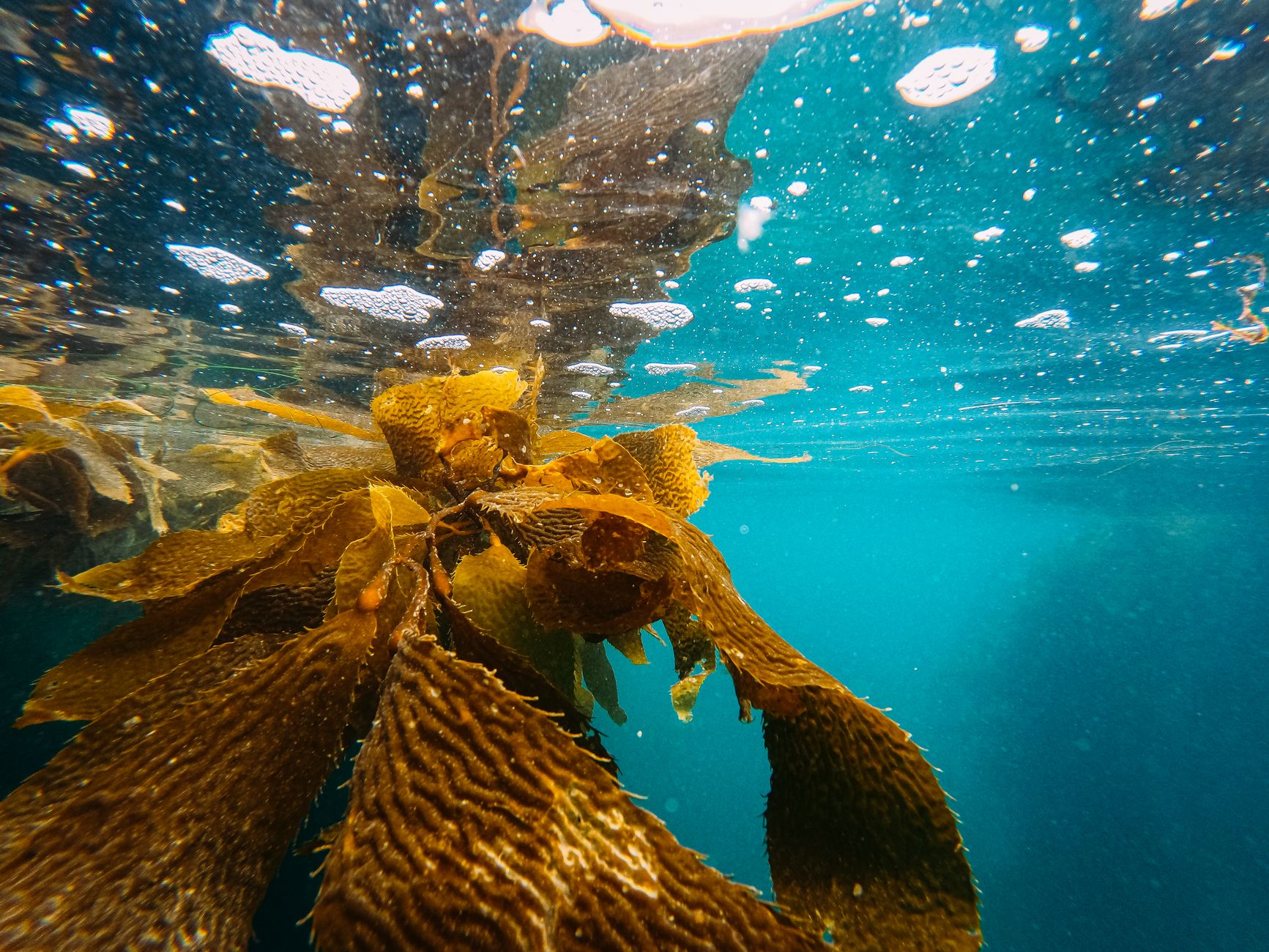
Carageenan is a natural food additive derived from red seaweed, often utilized for its gelling, thickening, and stabilizing properties. It’s commonly found in a wide range of food products, from dairy alternatives to processed meats, and serves a vital role in maintaining texture and consistency.
This versatile ingredient is often used as a substitute for gelatin, offering a plant-based option for those who follow vegetarian or vegan diets. Understanding how carageenan works, its flavor profile, and how to serve it will help you make informed choices in your cooking and meal planning.
What Is Carageenan?
Carageenan is extracted from various species of red algae, primarily from the genus Chondrus, which includes carrageen, a type of seaweed commonly found along the coasts of Europe and North America. The extraction process involves boiling the seaweed, then washing and drying it to obtain a powdery substance.
There are three main types of carageenan—kappa, iota, and lambda—each with different properties and applications in cooking:
- Kappa Carageenan: Forms a strong gel in the presence of potassium ions, commonly used in dairy products like yogurt and chocolate milk.
- Iota Carageenan: Produces a softer gel and is often used in applications where a smooth texture is desired, such as puddings and sauces.
- Lambda Carageenan: Does not gel but is effective as a thickener and stabilizer, commonly found in dairy substitutes and creamers.
Flavor Profile of Carageenan
Carageenan is generally flavorless and odorless, which makes it an excellent addition to various food products without altering their taste. Its main role is to enhance the texture, making it a valuable ingredient in both sweet and savory dishes.
Uses of Carageenan in Food
Carageenan is widely employed across the food industry. Here are some common applications:
- Dairy Products: Used to stabilize and thicken products like milk, ice cream, and yogurt.
- Plant-Based Alternatives: Found in vegan cheese, almond milk, and coconut milk products for enhanced texture.
- Processed Foods: Adds body and improves mouthfeel in sauces, gravies, and soups.
- Meat Products: Acts as a binding agent in processed meats, helping retain moisture and improving texture.
How to Use Carageenan in Cooking
When cooking with carageenan, it’s essential to understand how it interacts with other ingredients. Here’s a general guide on how to use it effectively:
1. Dissolving Carageenan
Carageenan must be properly dissolved to activate its thickening and gelling properties. Here’s how to do it:
- Combine carageenan with a cold liquid first, which prevents clumping.
- Heat the mixture to activate the carageenan; different types may require different temperatures.
- Allow the mixture to cool for gelling; kappa and iota forms will set as they cool.
2. Recommended Ratios
Generally, the effective ratio for carageenan varies based on the desired texture. As a guideline:
- For kappa carageenan, use 0.5% to 1% of the total weight of the liquid for a firm gel.
- For iota carageenan, use 0.5% to 0.75% for a soft gel consistency.
- For lambda carageenan, use about 1% to thicken liquids without gelling.
3. Cooking Techniques
There are various methods where carageenan can be effectively utilized:
- Mixing: Mix with other dry ingredients or add directly to liquids. Ensure even distribution.
- Heating: Gently heat the mixture to dissolve carageenan completely. Avoid boiling to preserve its properties.
- Cooling: Allow the mixture to cool undisturbed to set properly.
Practical Substitutions for Carageenan
If you don’t have carageenan on hand or prefer to avoid it, consider these alternatives:
- Agar-Agar: A plant-based gelling agent derived from seaweed, typically used in a similar way to kappa carageenan. Use about 1:1 ratio but note it requires boiling to activate.
- Xanthan Gum: A common thickening agent; use in small amounts, usually 1/4 of the amount of carageenan required.
- Pectin: Good for jellies and jams; requires sugar and acid to gel, making it less suitable for savory dishes.
Common Mistakes When Using Carageenan
Using carageenan can be straightforward, but there are a few common pitfalls to avoid:
- Not measuring accurately; too little or too much can affect texture and stability.
- Failing to dissolve carageenan properly, which may lead to a grainy texture.
- Overheating the mixture; high temperatures can cause carageenan to lose its gelling ability.
How to Serve Dishes with Carageenan
Once you’ve prepared dishes with carageenan, here are suggestions on how to serve and present them:
- Gelled Desserts: Serve molded gelled desserts on plates with fresh fruit or a sauce drizzle for an elegant presentation.
- Creamy Soups: Serve in bowls with garnishes such as herbs or a dollop of cream for visual appeal.
- Plant-Based Creams: Utilize as whipped toppings for desserts, or as a dairy-free alternative in coffee and teas.
Storage and Shelf Life of Carageenan
Carageenan has a long shelf life when stored correctly. Keep it in a cool, dry place, sealed tightly in its original packaging or an airtight container. Typically, it can last for up to two years without losing its properties.
Popular Recipes Using Carageenan
Here are a few ways to incorporate carageenan into your cooking:
1. Vegan Chocolate Mousse
This rich and creamy dessert utilizes iota carageenan to achieve its light texture. Here’s how you can prepare it:
- Ingredients:
- 1 can coconut milk (400ml)
- 200g dark chocolate, melted
- 2 tablespoons iota carageenan
- 50g maple syrup (optional, for sweetness)
- 1 teaspoon vanilla extract
- In a saucepan, heat the coconut milk until it begins to simmer. Remove from heat.
- Mix in the melted chocolate until smooth and combined.
- Add the iota carageenan and stir until fully dissolved.
- Return to low heat and continue stirring for 2-3 minutes.
- Remove from heat, stir in maple syrup and vanilla extract.
- Pour into serving dishes and refrigerate for at least two hours to set.
2. Creamy Dairy-Free Alfredo Sauce
This versatile sauce is perfect for pasta and can be made effortlessly using kappa carageenan for creaminess.
- Ingredients:
- 1 cup cashews, soaked for 4 hours
- 1 cup vegetable broth
- 1 tablespoon kappa carageenan
- 2 cloves garlic, minced
- 1 tablespoon nutritional yeast (optional, for a cheesy flavor)
- Salt and pepper, to taste
- Drain and rinse soaked cashews, then blend with vegetable broth until smooth.
- Transfer to a saucepan and add minced garlic and kappa carageenan.
- Heat over low, stirring constantly until it thickens, about 5-7 minutes.
- Stir in nutritional yeast, salt, and pepper to taste.
- Serve over pasta or vegetables, garnishing with chopped parsley if desired.
Conclusion
Understanding carageenan, its uses, and its benefits is essential for making informed culinary choices. This ingredient can add texture and stability to various dishes without affecting flavor, making it a valuable asset in both home kitchens and commercial food production. Before using carageenan, be sure to consider its types and how they can best fit your recipe needs.
Next time you’re whipping up a creamy dessert or a savory sauce, remember to explore other culinary tips or recipes such as this chia pudding recipe and how to soak chia seeds for extra creativity in your cooking!