
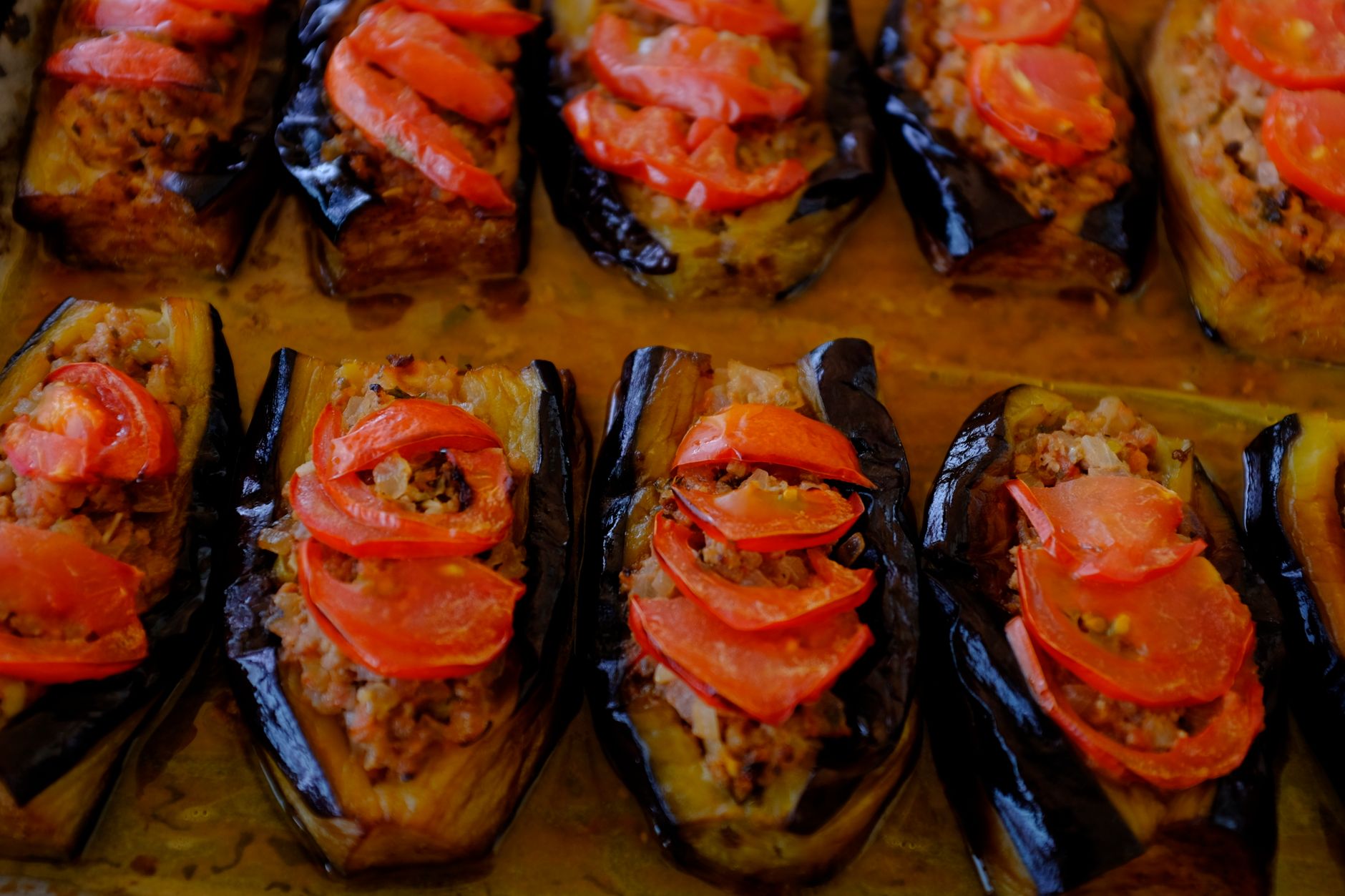
Caponata is a traditional Sicilian dish that embodies the essence of Mediterranean cooking. This vibrant eggplant dish combines a medley of vegetables, herbs, and a sweet-and-sour sauce, making it a versatile accompaniment to various meals. Understanding its ingredients, flavor profile, and serving suggestions can elevate your culinary repertoire.
This dish is not just about flavor; it’s also about technique and balance, offering a delightful combination of textures and tastes. Whether served as a side, appetizer, or even on its own, caponata is a celebration of seasonal produce and Sicilian tradition.
What Is Caponata?
Caponata is a Sicilian eggplant dish consisting mainly of eggplant, tomatoes, celery, olives, and capers, all simmered together and seasoned with vinegar and sugar for a unique sweet-and-sour flavor. It offers a rich, savory taste and can be eaten warm or cold.
Key Ingredients in Caponata
Understanding the key ingredients in caponata is essential for both preparation and appreciation of its flavor. Here’s a breakdown of the main components:
- Eggplant: The star of the dish, eggplant provides a creamy texture and absorbs flavors well.
- T tomatoes: Fresh or canned tomatoes add acidity and depth. Some recipes use tomato paste for extra richness.
- Celery: In addition to its crunch, celery contributes a distinct aromatic profile.
- Olives: Both green and black olives add brininess and complexity; select according to your preference.
- Capers: These provide a tangy burst, enhancing the dish’s overall flavor.
- Vinegar: Red wine vinegar is commonly used, giving the dish its signature tangy sweetness.
- Sugar: Balances the acidity from the vinegar, creating that characteristic sweet-and-sour taste.
- Onions and Garlic: Aromatics that form a flavor base are key for depth.
- Herbs: Fresh basil or parsley adds freshness and aroma to the dish.
Flavor Profile of Caponata
The flavor of caponata is a harmonious balance of sweet, sour, and savory. The eggplant’s earthy taste is highlighted by the acidity of the tomatoes and vinegar, while the sweetness from sugar enhances the overall complexity.
Textures play a significant role as well. The softness of the cooked eggplant contrasts with the crunch of celery and olives, creating a delightful mouthfeel. The dish also develops deeper flavors as it sits, allowing the ingredients to marinate and mingle.
How to Prepare Caponata
The preparation of caponata is straightforward but requires patience to develop the flavors. Here is a step-by-step guide to making a traditional Sicilian caponata:
Yield & Timing
This recipe yields about 4 to 6 servings and will take approximately:
- Preparation Time: 20 minutes
- Cooking Time: 30 minutes
- Total Time: 50 minutes
Equipment Needed
- Sharp knife
- Cutting board
- Larger pan or skillet
- Wooden spoon or spatula
- Serving bowl
Ingredients
- 1 medium eggplant, cut into ½-inch cubes
- 2 medium tomatoes, chopped or one 14-ounce can of diced tomatoes
- 1 stalk of celery, sliced thinly
- ½ cup green olives, pitted and roughly chopped
- 2 tablespoons capers, rinsed
- 1 small onion, diced
- 2 cloves garlic, minced
- ¼ cup red wine vinegar
- 1 tablespoon sugar, or to taste
- Fresh basil or parsley, for garnish
- Olive oil for cooking
- Salt and black pepper to taste
Step-by-Step Instructions
- Start by sprinkling the cubed eggplant with salt and let it sit for about 15 minutes. This helps to draw out excess moisture and bitterness. Rinse and pat dry with a towel.
- In a larger pan or skillet, heat about 2 to 3 tablespoons of olive oil over medium heat. Add the diced onion and sauté until translucent, about 5 minutes.
- Add the minced garlic and sliced celery to the pan, cooking for another 3 to 4 minutes until fragrant and slightly tender.
- Add the eggplant to the pan, stirring well to incorporate it with the onion, garlic, and celery. Cook until the eggplant starts to soften, about 8-10 minutes, adding a splash more olive oil if necessary.
- Stir in the chopped tomatoes (or canned tomatoes), olives, and capers. Mix thoroughly.
- Pour in the red wine vinegar and add the sugar, mixing all ingredients well. Season with salt and black pepper to taste.
- Reduce heat to low and let the mixture simmer uncovered for about 15-20 minutes, stirring occasionally. The vegetables should be tender, and the mixture should thicken slightly.
- Once cooked, remove from heat and allow the caponata to cool slightly. The flavors deepen as it cools.
- Serve warm, at room temperature, or cold, garnished with fresh basil or parsley.
Serving Suggestions
Caponata can be served in various ways, making it an incredibly versatile dish. Here are some suggestions to enhance your meal:
- As an Antipasto: Serve it as part of an antipasto platter, alongside cured meats, cheeses, and crusty bread.
- With Crostini: Spread on toasted bread for a delightful appetizer or snack.
- As a Side Dish: Pair it with grilled meats, fish, or any Mediterranean-inspired main course.
- On Pasta: Toss with pasta for a hearty vegetarian main dish.
- On Rice or Quinoa: Serve it over grains for a wholesome meal.
Variations and Substitutions
Caponata is flexible, allowing for variations based on your taste preferences and ingredient availability. Here are some ideas:
- Other Vegetables: Zucchini, bell peppers, or carrots can be added for a twist.
- Herbs: Experiment with different herbs such as thyme or oregano.
- Spice Level: Add crushed red pepper flakes for a bit of heat.
- Sweetener Alternatives: Honey or maple syrup can be used instead of sugar for a different sweetness profile.
- Olive Variations: If you prefer, you can use black olives instead of green for a richer flavor.
Common Mistakes to Avoid
While making caponata is relatively simple, there are some common pitfalls to keep in mind:
- Overcooking the eggplant can make it mushy; aim for tender but not falling apart.
- Too much salt during the salting process can make the dish overly salty. Rinse well before cooking.
- Not letting the dish sit before serving can prevent flavors from melding; caponata is often enjoyed at room temperature or after resting for a time.
Storage and Reheating
Caponata is an excellent dish for meal prep, as it can be made in advance and stored. Here are some guidelines:
- Storage: Store in an airtight container in the refrigerator for up to a week. The flavors will continue to develop over time.
- Freezing: While caponata can be frozen, the texture of the eggplant may change. If you decide to freeze it, store it in a sealed container and consume it within three months.
- Reheating: Reheat gently on the stovetop over low heat or in the microwave without overcooking it.
What Makes Caponata Special?
Caponata stands out due to its rich cultural roots and adaptable nature. It is a representation of Sicilian cooking that makes use of available local ingredients, celebrating the bounty of the season. The balance of flavors—sweetness, acidity, and umami—creates a dish that is satisfying and refreshing at once.
This dish allows cooks to express themselves, whether they’re adhering to traditional recipes or crafting their versions. Caponata can also be a conversation starter at the dining table, showcasing the history and tradition of Sicilian cuisine.
Conclusion
Caponata is not just a dish; it’s a culinary experience that encapsulates the essence of Sicilian tradition. With its vibrant ingredients and adaptable nature, it can fit into various meals and occasions. Consider incorporating caponata into your next gathering or meal plan for a delightful seafood complement, vegetarian main, or side dish. Explore related recipes, cooking tips, or food guides to enhance your culinary journey.