
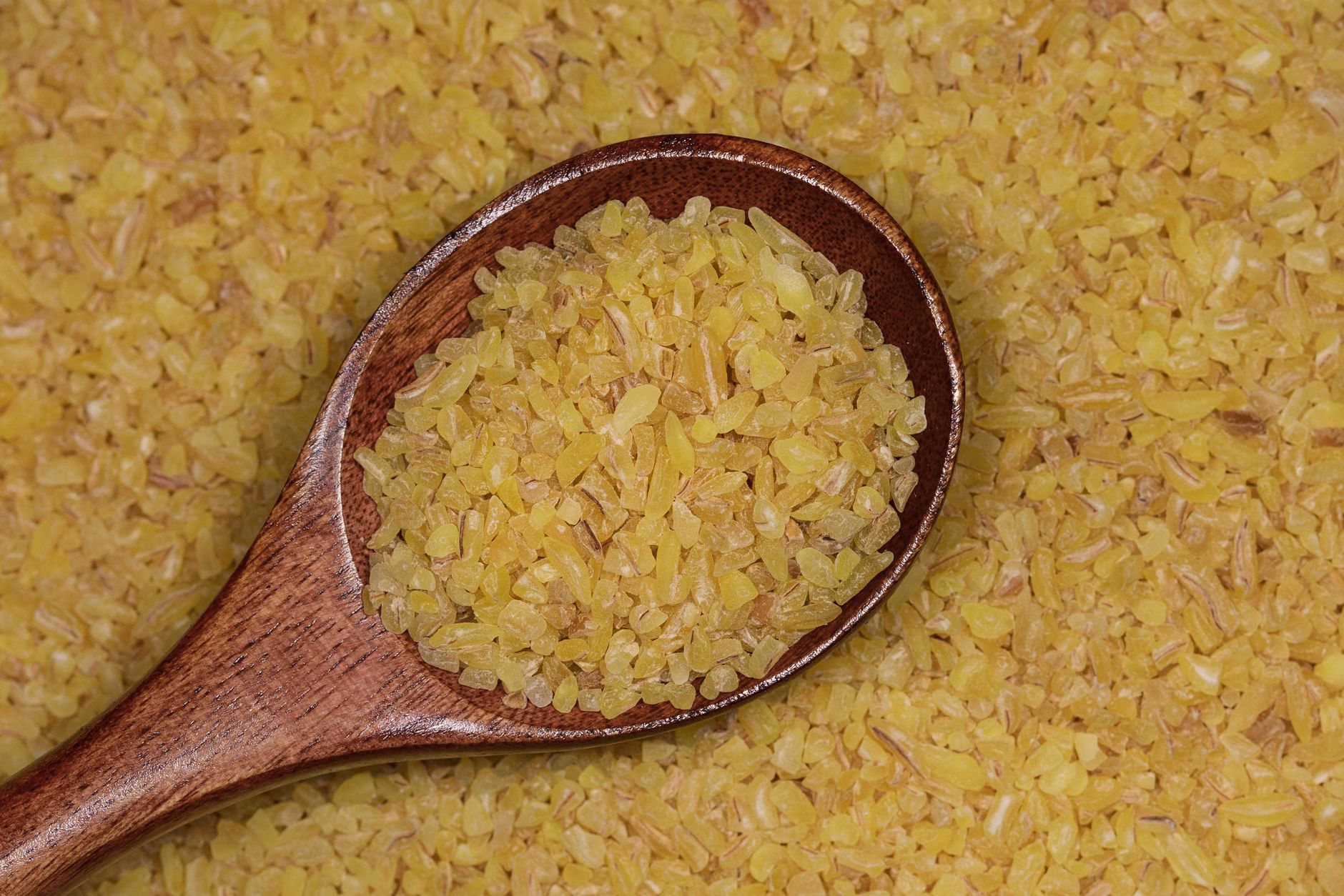
Bulgur wheat is an ancient grain made from cracked whole wheat kernels that have been parboiled, dried, and crushed. This nutritious staple is popular in Middle Eastern and Mediterranean cuisines, known for its versatility and health benefits. With a nutty flavor and chewy texture, bulgur serves as an excellent base for various dishes and adds depth to salads, soups, and sides.
Often mistaken for couscous, bulgur differs in that it’s a whole grain packed with fiber and protein. Its quick preparation and unique flavor make it a valuable ingredient for home cooks and chefs alike. Understanding bulgur wheat’s properties, culinary uses, and how to properly prepare it can enhance your meals while contributing to a balanced diet.
What Is Bulgur Wheat?
Bulgur wheat is a form of whole grain made from the cracked kernels of durum wheat. It is partially cooked before being dried, making it quick to prepare. The grain maintains its nutritional content, including essential vitamins and minerals, making it a healthy choice for various dishes.
Available in different grind sizes, bulgur is classified as fine, medium, and coarse. Each type can be used for specific applications, allowing versatility in cooking. Fine bulgur is often used in salads like tabbouleh, while coarse bulgur may be used in pilafs or as a meat substitute in recipes.
Ingredients in Bulgur Wheat
- Whole wheat kernels (durum wheat)
- Water (for cooking)
The Taste and Texture of Bulgur Wheat
Bulgur wheat has a distinct nutty flavor, which enhances many dishes. The texture is chewy yet tender, providing a delightful contrast in salads and side dishes. Depending on the grind, finer bulgur tends to be softer, while coarser bulgur adds more chewiness and body to dishes.
Culinary Uses of Bulgur Wheat
Bulgur is incredibly versatile and can be used in numerous culinary applications. Here are some of the most popular uses:
Salads
One of the most traditional uses of bulgur is in salads. The most famous is tabbouleh, a Middle Eastern salad combining finely chopped parsley, tomatoes, onions, and a dressing of olive oil and lemon juice. The bulgur adds a hearty texture and absorbs flavors well.
Soups and Stews
Bulgur can be added to soups and stews to thicken and enhance the nutritional content. It complements flavored stocks and can be used in a variety of cuisines, including Moroccan spice-infused stews or hearty vegetable soups.
Side Dishes
Bulgur serves as an excellent alternative to rice or quinoa in various side dishes. It can be prepared simply with broth and seasonings or combined with vegetables, nuts, and herbs for a flavorful side.
Main Courses
Coarse bulgur can be used as a base for grain bowls, pilafs, or even as a stuffing for vegetables or meats. It also works well in veggie burgers or grain-based salads for a heartier meal.
Preparing Bulgur Wheat
Cooking bulgur is straightforward and quick. Here’s a simple method:
- Measure the bulgur: Start by measuring the desired amount of bulgur wheat. A common serving size is about 1/4 cup (about 35 grams) per person.
- Rinse (optional): While not always necessary, rinsing the bulgur in cold water helps remove any dust or residue. Drain well.
- Boil water: Use a ratio of 1:2 bulgur to water. For every cup of bulgur, use two cups of water or broth for added flavor. Bring the water to a boil.
- Add bulgur: Once the water is boiling, add the bulgur. Stir briefly to evenly distribute.
- Cover and simmer: Turn down the heat, cover the pot, and let it simmer. Fine bulgur typically cooks in about 10-15 minutes; medium and coarse may take slightly longer.
- Fluff with a fork: Once the bulgur has absorbed the water and is tender, remove it from heat. Let it sit for a few minutes, then fluff with a fork before serving.
Substitutions for Bulgur Wheat
If you cannot find bulgur or have dietary restrictions, there are several substitutes you can consider:
- Quinoa: This gluten-free grain has a similar nutty flavor and can be cooked in a similar manner. Use the same water ratio.
- Couscous: Quick-cooking and similar in texture, couscous can stand in for bulgur in salads and sides. Be aware that couscous is not a whole grain.
- Cracked Wheat: Like bulgur, cracked wheat is made from whole grains but may require more cooking time, depending on how finely it is cracked.
- Brown Rice: For a longer cooking time and different texture, brown rice can also be used, but the flavor will differ.
Common Mistakes When Using Bulgur Wheat
While bulgur wheat is easy to prepare, a few common mistakes can affect the outcome:
- Incorrect water ratios: Using too much or too little water will lead to mushy or undercooked bulgur. Stick to the recommended 1:2 ratio.
- Neglecting to fluff: Skipping the fluffing step can result in clumpy texture. Always run a fork through it to separate the grains before serving.
- Overcooking: Keeping bulgur on the heat too long can make it mushy. Monitor closely and adjust the cooking time as needed based on the grind size.
Storage and Shelf Life of Bulgur Wheat
Bulgur wheat is shelf-stable if stored correctly. Here are some storage tips:
- Keep bulgur in a cool, dry place in an airtight container to maintain its freshness.
- Once opened, it can typically last for 1-2 years if stored properly.
- You can freeze bulgur for long-term storage, allowing it to last indefinitely, but it’s best to use it within a year for optimal quality.
Nutritional Benefits of Bulgur Wheat
Bulgur wheat is a nutritious option that provides several health benefits:
- High in Fiber: Bulgur is an excellent source of dietary fiber, which supports digestive health.
- Rich in Nutrients: It contains essential vitamins and minerals, including iron, magnesium, and B vitamins.
- Low in Calories: Bulgur is low in calories but filling, making it a great choice for weight management.
Final Thoughts on Bulgur Wheat
Bulgur wheat is a versatile ingredient that deserves a place in your kitchen. Its quick preparation, nutritious profile, and delicious flavor make it an excellent addition to many meals. Whether you’re making salads, sides, or main dishes, bulgur can elevate your culinary creations while keeping them healthy.
Consider experimenting with bulgur in your next meal. You might find it an indispensable ingredient in your cooking repertoire.
For more cooking tips, explore related guides on our blog. Discover more ways to incorporate grains into your meals, or learn about healthful salad recipes that can fit perfectly with bulgur wheat.