
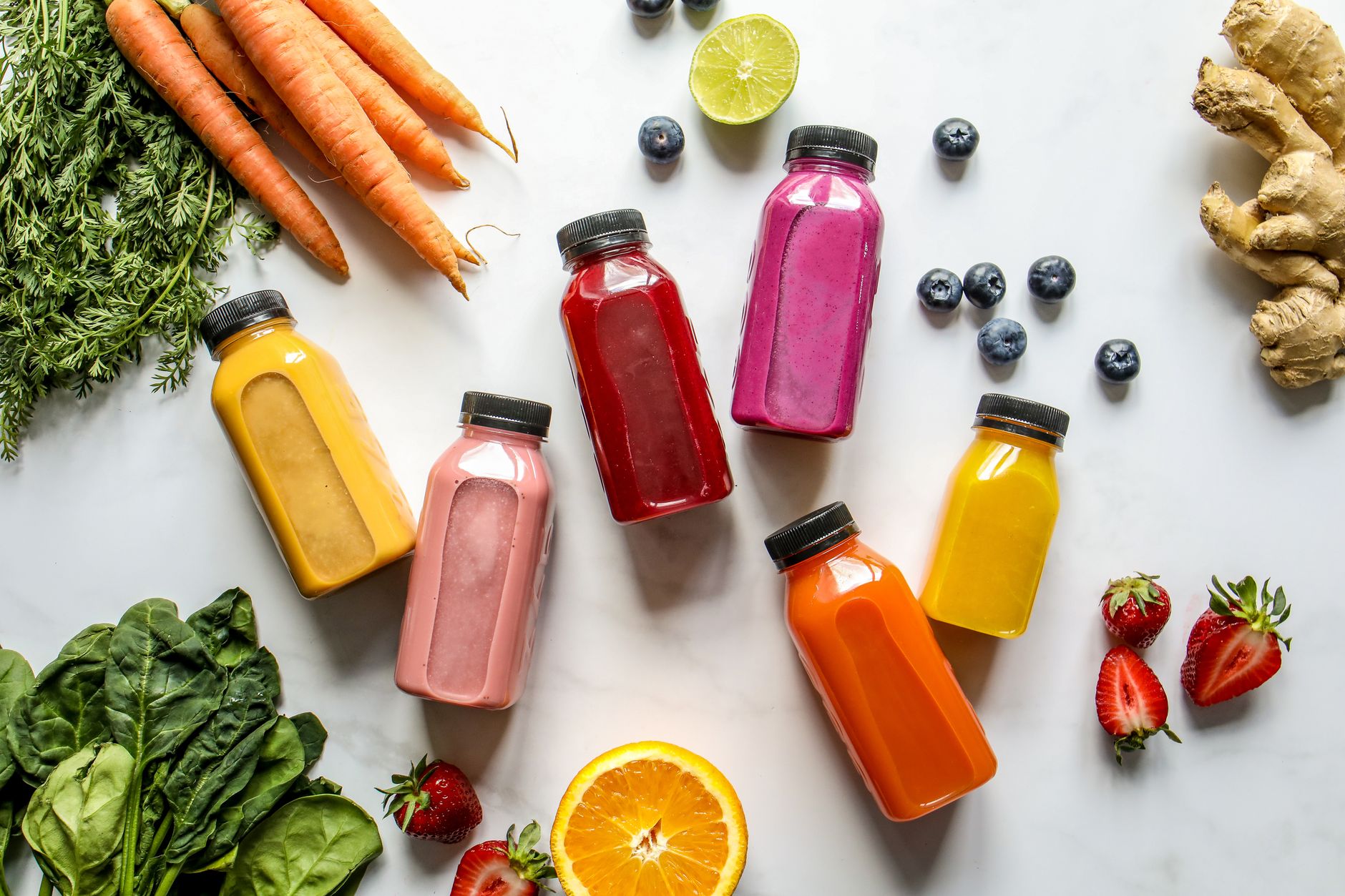
Blueberry juice is more than just a refreshing beverage; it is packed with numerous health benefits and unique flavor profiles that can enhance a variety of dishes. This article delves into what blueberry juice is good for, detailing its nutritional benefits, potential uses in cooking and beverages, and how to enjoy it effectively in your daily diet.
This vibrant juice is derived from blueberries, small yet mighty fruits renowned for their rich antioxidant content. If you’re curious about how to incorporate this nutritious juice into your meals and what it brings to the table, keep reading.
What Is Blueberry Juice Good For?
Blueberry juice is primarily known for its antioxidant properties, which can help combat oxidative stress and support overall health. It is particularly beneficial for heart health, brain function, and digestive health. Additionally, it provides essential vitamins and minerals while being deliciously sweet and tangy.
Nutritional Profile of Blueberry Juice
Blueberry juice is not only tasty but also offers several important nutrients. Here’s a closer look at what you can expect from an 8-ounce serving of 100% pure blueberry juice:
- Calories: Approximately 140
- Carbohydrates: 35 grams
- Fibers: 1 gram
- Sugars: 30 grams
- Vitamin C: 24% of the Daily Value (DV)
- Vitamin K: 36% of the DV
- Potassium: 5% of the DV
- Manganese: 25% of the DV
This nutrient density makes blueberry juice a valuable addition to your diet, contributing to various bodily functions.
Health Benefits of Blueberry Juice
Consuming blueberry juice regularly can provide multiple health benefits due to its nutrient composition and antioxidants. Here are some noteworthy advantages:
1. Rich in Antioxidants
Blueberry juice is particularly rich in anthocyanins, a type of antioxidant that gives blueberries their deep blue color. Antioxidants help neutralize harmful free radicals in the body, reducing the risk of chronic diseases.
2. Supports Heart Health
Regular consumption of blueberry juice has been linked to improved heart health. Studies suggest that the antioxidants in blueberries can help lower blood pressure and cholesterol levels, contributing to overall cardiovascular health.
3. Enhances Brain Function
The antioxidants found in blueberry juice may also promote brain health. They can improve cognitive function and may reduce the risk of neurodegenerative diseases like Alzheimer’s.
4. Aids Digestion
Blueberry juice can aid in digestion due to its fiber content when made from whole berries. Additionally, it can have a laxative effect, helping promote regular bowel movements.
5. Boosts Immunity
The high vitamin C content in blueberry juice can help strengthen your immune system, making it easier for your body to fend off infections and diseases.
How to Incorporate Blueberry Juice into Your Diet
Integrating blueberry juice into your meals and snacks is easy and delightful. Here are several practical suggestions:
1. As a Refreshing Drink
Enjoy blueberry juice chilled on its own as a refreshing beverage, or mix it with sparkling water for a fruity sparkling drink.
2. Smoothies and Shakes
Add blueberry juice to your smoothies to enhance flavor and nutrition. Combine it with bananas, spinach, or yogurt for a delicious, nutrient-packed beverage.
3. Salad Dressings
Incorporate blueberry juice into homemade salad dressings. Mixing it with olive oil, balsamic vinegar, and a touch of honey creates a delicious dressing for leafy green salads.
4. Sauces and Marinades
Blueberry juice can be used as a base for sauces that complement meats like chicken or pork. Combine it with herbs and spices for a tangy marinade.
5. Baking Recipes
Use blueberry juice as an ingredient in baking. It can be added to muffins, cakes, and bread to impart a fruity flavor and a hint of color.
Blueberry Juice Recipes
Here are a couple of simple recipes utilizing blueberry juice that you can try to make the most of its delightful flavor and health benefits.
Blueberry Smoothie Recipe
This blueberry smoothie is packed with nutrients, making it a great breakfast or snack option.
- Servings: 2
- Total Time: 10 minutes
Ingredients
- 1 cup blueberry juice
- 1 banana
- ½ cup Greek yogurt
- 1 tablespoon honey (optional)
- Ice cubes (optional)
Method
- In a blender, combine blueberry juice, banana, Greek yogurt, and honey.
- Add ice cubes for a chilled smoothie if desired.
- Blend until smooth and enjoy immediately.
Blueberry Sauce Recipe
This sauce can be drizzled over pancakes, waffles, or even grilled meats for a colorful twist.
- Servings: 4
- Total Time: 15 minutes
Ingredients
- 1 cup blueberry juice
- 2 cups fresh or frozen blueberries
- 2 tablespoons sugar (adjust based on sweetness preference)
- 1 tablespoon cornstarch (optional, for thickening)
- 1 tablespoon lemon juice
Method
- In a saucepan over medium heat, combine blueberry juice, sugar, and fresh blueberries.
- Cook for about 10 minutes, stirring occasionally until the blueberries break down and the mixture thickens.
- If using cornstarch, dissolve it in 1 tablespoon of water and add to the sauce, stirring continuously until thickened.
- Stir in lemon juice, remove from heat, and let cool before serving.
Storage and Shelf Life of Blueberry Juice
If you prepare blueberry juice at home or purchase it, proper storage is crucial to maintaining its freshness and quality. Here are some guidelines:
1. Homemade Blueberry Juice
Store homemade blueberry juice in an airtight container in the refrigerator. It should last for about 3 to 5 days. If you notice any change in color, smell, or taste, it’s best to discard it.
2. Store-Bought Blueberry Juice
Unopened, store-bought blueberry juice can be stored in a cool, dark place. Once opened, it should be refrigerated and consumed within 7 to 10 days. Check the expiration date and storage instructions on the label for best results.
Common Mistakes to Avoid with Blueberry Juice
When working with blueberry juice, here are some common pitfalls to watch out for:
- Using low-quality juice that may contain added sugars and preservatives. Always opt for 100% pure blueberry juice for maximum health benefits.
- Not using blueberry juice in moderation. Due to its natural sugar content, it’s best enjoyed as part of a balanced diet.
- Cooking blueberry juice for too long, which can result in the loss of nutrients. Keep cooking times short when preparing sauces or syrups.
Blueberry Juice as an Ingredient Substitute
Blueberry juice can also serve as an ingredient substitute in various recipes. Here are some ideas:
- Use blueberry juice in place of other fruit juices like grape or cranberry juice in cocktails or mocktails.
- Substitute blueberry juice for some liquid in baked goods to add flavor and moisture.
- Replace some of the liquid in salad dressings with blueberry juice for a fruitier take.
Conclusion
Blueberry juice is a versatile ingredient that not only boosts your health but also adds delightful flavors to a variety of dishes and drinks. With its numerous health benefits and culinary uses, it’s an excellent addition to any kitchen. Consider incorporating blueberry juice into your meals today, and enjoy the nourishment and taste it brings.
If you’re interested in exploring more about blueberries, check out how long do blueberries last, or perhaps try making a delicious blueberry pound cake recipe. Discovering these related recipes can enhance your culinary experience with this delightful fruit.