
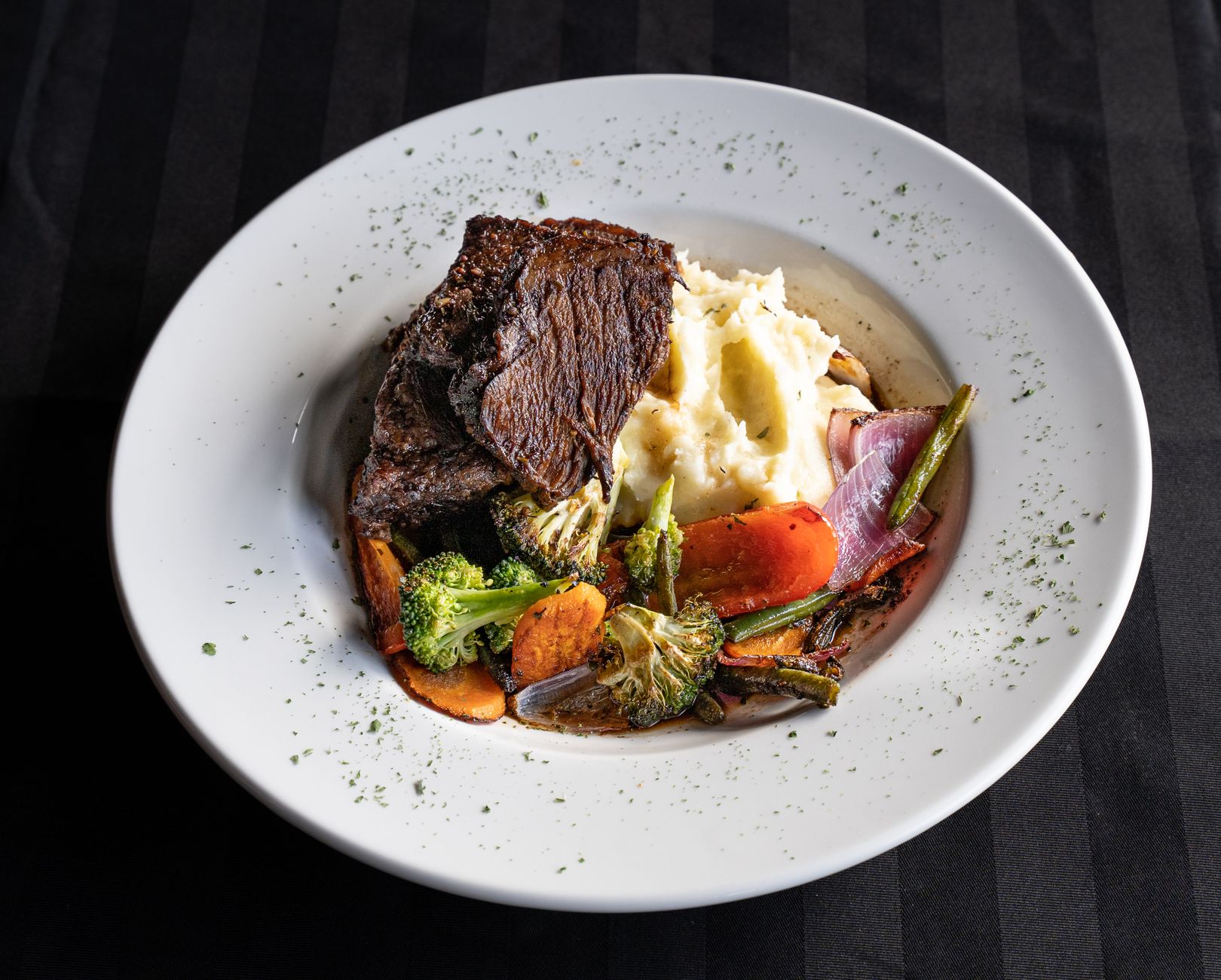
Black Angus beef is renowned for its rich flavor, tenderness, and marbled texture, making it a favorite among beef enthusiasts. Originating from the Aberdeen region of Scotland, it has gained popularity across the globe, particularly in the United States, where its meat is highly sought after for various culinary applications.
This article will delve into the characteristics, cooking techniques, and culinary uses of Black Angus beef, providing depth and context for both novice cooks and seasoned chefs. Understanding what sets this beef apart can enhance your cooking experience and elevate your meals.
What Is Black Angus Beef?
Black Angus beef comes from the Angus breed of cattle, characterized by their black coat and hornless (polled) nature. It is specifically known for its high-quality meat, which tends to have excellent marbling—the intramuscular fat that contributes to juiciness and flavor. The Angus breed is primarily raised for beef production, making Black Angus beef one of the most recognized and appreciated types of beef in the market.
Flavor Profile and Texture
One of the standout features of Black Angus beef is its flavor profile. The meat is notably rich and beefy, with a depth of taste that can be attributed to the breed’s genetics and the way the cattle are raised. The marbling in Black Angus beef not only adds flavor but also enhances the tenderness, making every bite juicy and satisfying.
Texture-wise, Black Angus beef is typically finely textured, which contributes to its tenderness. Cuts from the rib and loin sections are especially sought after for their supreme quality. When compared to other beef types, Black Angus beef is often regarded as superior due to its combination of taste, texture, and juiciness.
Choosing Quality Black Angus Beef
When selecting Black Angus beef, look for labels that specify its origin and USDA grading. The grading system categorizes beef based on the amount of marbling and overall quality:
- Prime: The highest grade, exhibiting abundant marbling and superior tenderness. Ideal for grilling and high-end recipes.
- Choice: Well-marbled and tender, but slightly less so than Prime. This is still an excellent choice for most cooking methods.
- Select: Leaner than the first two grades, with less marbling. It’s still good for everyday cooking but may require additional attention to prevent drying out.
Additionally, ensure the beef has a bright red color and firm texture, indicating freshness. Always choose cuts that have a consistent fat distribution for the best cooking outcome.
Popular Cuts of Black Angus Beef
Black Angus beef encompasses a variety of cuts, each with unique characteristics and cooking methods. Here are some of the most popular cuts:
- Ribeye: Known for its rich marbling and flavor, ribeye steaks are ideal for grilling or pan-searing, where the fat renders beautifully.
- Filet Mignon: This cut is incredibly tender and lean, making it a staple in fine dining. It’s best cooked using methods like grilling or oven-roasting.
- New York Strip: Slightly firmer than ribeye but still well-marbled, the New York strip is perfect for grilling or broiling.
- Brisket: A tougher cut that becomes tender when slow-cooked or smoked, making it ideal for BBQ or braising.
- Chuck Roast: Often used for pot-roasting, this cut benefits greatly from slow cooking and results in a flavorful dish.
Cooking Techniques for Black Angus Beef
To fully appreciate the qualities of Black Angus beef, it is essential to use proper cooking methods. Here are some effective techniques and tips for preparing this high-quality meat:
Grilling
Grilling is one of the best ways to cook Black Angus beef, as it enhances the natural flavors while producing a desirable char.
- Preheat your grill to high heat.
- Season the beef with salt and pepper, or a marinade of your choice, allowing it to sit at room temperature for about 30 minutes.
- Place the steaks on the grill and sear for about 3-5 minutes on each side, depending on thickness and desired doneness.
- Use a meat thermometer to check for doneness (135°F for medium-rare, 145°F for medium). Let rest for 5-10 minutes before serving.
Pan-Searing
Pan-searing is another excellent method for achieving a flavorful crust:
- Heat a heavy skillet (cast iron works best) over medium-high heat. Add a small amount of oil to the pan.
- Season the meat generously and place it in the hot skillet.
- Cook for 3-5 minutes on each side, making sure to achieve a nice golden-brown crust. Use tongs to turn the meat, avoiding piercing the flesh.
- Again, check the internal temperature to ensure your preferred level of doneness.
Slow Cooking
For tougher cuts such as brisket and chuck roast, slow cooking is recommended:
- Season the meat and sear it in a hot skillet to enhance flavor.
- Transfer the meat to a slow cooker and add liquid (such as broth, wine, or sauces) along with vegetables.
- Cook on low for 6-8 hours or until the meat is tender and shreds easily.
Common Mistakes and Troubleshooting
When cooking Black Angus beef, being aware of common pitfalls can help achieve optimal results:
- Overcooking: Due to its marbling, overcooking can lead to a dry steak. Use a meat thermometer for accurate doneness readings.
- Skipping Resting Time: Allowing the meat to rest after cooking is crucial for juiciness, as it lets the juices redistribute.
- Not Preheating the Cooking Surface: For searing, ensure your grill or skillet is adequately preheated to achieve a good crust.
Serving Suggestions for Black Angus Beef
Black Angus beef pairs wonderfully with a variety of sides and sauces. Here are some ideas:
- Classic sides like mashed potatoes, garlic roasted asparagus, or sautéed Brussels sprouts complement the rich flavors.
- For sauces, a red wine reduction or chimichurri adds a delightful contrast to the beef’s richness.
- Consider incorporating sides that add acidity, such as a fresh salad with vinaigrette to balance the heaviness of the beef.
Storing Black Angus Beef
Proper storage is essential to maintain the quality of Black Angus beef. Here are some guidelines:
- Keep fresh beef in its original packaging in the coldest part of your refrigerator. Use within 3-5 days.
- If you won’t use it in that timeframe, consider freezing it. Wrap the beef tightly in freezer paper or vacuum-seal it to prevent freezer burn.
- When ready to use frozen beef, thaw it in the refrigerator for 24 hours before cooking.
Conclusion
Black Angus beef stands out in the culinary world for its flavor, tenderness, and versatility. By understanding its unique qualities, selecting high-quality cuts, and utilizing proper cooking techniques, you can create mouthwatering meals that highlight this premium beef.
For additional tips on how to handle ground beef and a flavorful beef stew seasoning recipe, feel free to explore related resources. Understanding different beef types is essential for both everyday cooking and special occasions.