
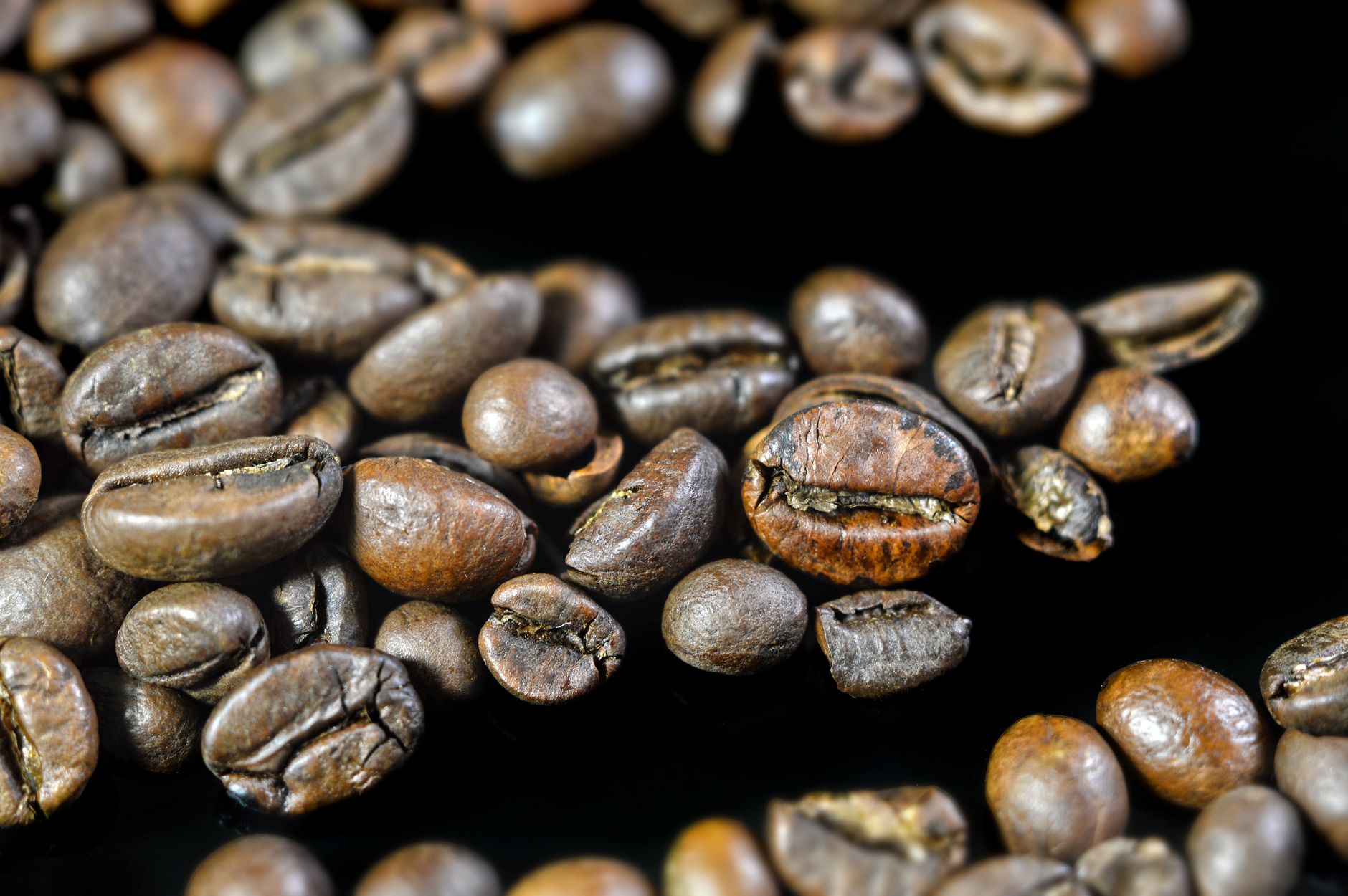
Arabica coffee is one of the most popular and preferred coffee varieties in the world, known for its smooth and complex flavor profile. It is grown in higher altitudes and has specific growing conditions that contribute to its taste and aroma, making it a favorite among coffee enthusiasts. Understanding Arabica coffee can help consumers make informed choices about their coffee selections.
This article delves into the characteristics, cultivation, brewing methods, and flavor profiles of Arabica coffee. Whether you’re a devoted coffee drinker or just beginning to explore the world of coffee, this guide will enhance your appreciation for this remarkable coffee variety.
What Is Arabica Coffee?
Arabica coffee, scientifically known as Coffea arabica, is a species of coffee that accounts for about 60-70% of the world’s coffee production. It is largely cultivated in Latin America, Africa, and parts of Asia. Arabica coffee plants thrive in high altitudes, typically between 2,000 and 6,000 feet, where cooler temperatures and ample rainfall create ideal growing conditions.
Characteristics of Arabica Coffee
Arabica coffee is characterized by its sweet, fruity, and floral notes, often accompanied by a mild acidity. Compared to its counterpart, Robusta coffee, Arabica tends to have a more delicate and nuanced flavor. Here are some specific characteristics of Arabica coffee:
- Flavor profile: Arabica coffee is known for its complex flavors, which can include hints of chocolate, nuts, and various fruits. The taste is often described as smooth and less bitter than Robusta.
- Aromatic qualities: Arabica coffee typically has a fragrant aroma that reveals its floral and fruity complexities.
- Acidity: Arabica coffee is usually recognized for its higher acidity, which adds brightness to the flavor. This acidity is often described as clean and crisp.
- Body: The body of Arabica coffee can vary from light to medium, contributing to its overall mouthfeel.
Growing Conditions for Arabica Coffee
Arabica coffee plants require specific conditions to flourish. Here are the key factors that influence its growth:
- Altitude: As previously mentioned, Arabica coffee grows best at higher altitudes, where temperatures are cooler. The elevation helps slow down the growth of the coffee cherries, allowing for a more developed flavor.
- Temperature: Ideal temperatures for Arabica cultivation range between 60°F to 75°F (15°C to 24°C). The cool climate helps preserve the delicate flavors.
- Rainfall: Arabica coffee requires consistent and ample rainfall throughout the year, with about 40 inches (1,000 mm) of rain annually being optimal.
- Soil quality: Well-draining, rich soil is essential for Arabica coffee. Volcanic soils, in particular, are often found in regions that produce high-quality Arabica beans.
The Coffee Plant and Coffee Cherries
The Arabica coffee plant can grow up to 15 feet (4.5 meters) tall, although most plantations keep them pruned to a more manageable height for easier harvesting. The plant produces coffee cherries, which contain coffee beans. A single cherry typically contains two beans, though some may have only one (known as peaberry).
Growing and Harvesting Arabica Coffee
Growing Arabica coffee requires careful attention to detail. Here is an overview of the growing cycle and harvesting process:
- Planting: Coffee seeds are sown in nurseries and grown into seedlings, which are then transplanted to the coffee farms.
- Flowering: After about three to four years, the coffee plants flower. The flowers are white and fragrant, attracting pollinators.
- Cherry maturation: Coffee cherries take about 6-8 months to mature after pollination, changing from green to vibrant red as they ripen.
- Harvesting: Harvesting can be done manually or mechanically. Hand-picking is often preferred to ensure only ripe cherries are collected, as ripening occurs at different times.
Processing Arabica Coffee
Once harvested, Arabica coffee cherries must be processed to extract the beans. There are two primary methods of processing: wet and dry.
Wet Processing
Wet processing involves removing the pulp of the cherry immediately after harvesting. The process includes:
- De-pulping: Cherries are mechanically de-pulped to remove the outer skin and fruit.
- Fermentation: The beans are placed in water to ferment, which helps remove mucilage.
- Washing: The fermented beans are washed and then dried, often on raised beds or in drying machines.
Dry Processing
In dry processing, the cherries are spread out in the sun to dry before any processing occurs. This method is less labor-intensive but can lead to more rustic flavors in the beans.
Flavor Profiles and Cupping Arabica Coffee
Cupping is a standardized method of evaluating the flavors and aromas of coffee. When cupping Arabica coffee, here are some flavors you might encounter:
- Fruity notes: Commonly observed flavors include berry, citrus, and stone fruits.
- Sweetness: Arabica coffee often has a natural sweetness, akin to sugar or caramel.
- Nutty and chocolatey undertones: Many Arabica coffees have hints of nuts or chocolate, further enhancing their complexity.
- Floral tones: Some varieties may exhibit fragrant floral qualities that can elevate the coffee’s aroma.
Brewing Arabica Coffee
Brewing techniques significantly affect the flavor and quality of Arabica coffee. The method you choose should complement the bean’s natural characteristics. Here are popular brewing methods:
Pour Over
This method allows for precise control over the brewing variables. Key steps include:
- Use a medium grind size for the coffee beans.
- Heat water to approximately 200°F (93°C).
- Place a filter in the dripper and add coffee grounds (about 1 to 2 tablespoons per 6 ounces of water).
- Pour hot water evenly over the grounds, allowing them to bloom for 30 seconds before continuing to pour in a circular motion.
- Let it drip, then enjoy your freshly brewed cup.
French Press
The French press enhances the coffee’s body and mouthfeel. Here’s how to brew:
- Coarsely grind your Arabica beans.
- Add about 1 tablespoon of coffee for every 4 ounces of water to the French press.
- Pour hot water into the French press, ensuring all coffee grounds are saturated.
- Stir gently, then place the lid on and steep for about 4 minutes.
- Press down the plunger slowly and pour your coffee.
Common Mistakes When Brewing Arabica Coffee
To ensure you maximize the potential of your Arabica coffee, consider these common mistakes:
- Using stale beans: Freshly roasted beans produce better flavor. Look for roast dates on the packaging.
- Incorrect grind size: Using the wrong grind size for your brewing method can lead to undesired flavors.
- Water temperature: Water that is too hot can scorch the coffee, while water that is too cool may extract too little flavor.
Storing Arabica Coffee
Proper storage of Arabica coffee is crucial to maintaining its flavor and freshness. Here are some tips:
- Store coffee in an airtight container, away from light and moisture.
- Avoid keeping coffee in the refrigerator as moisture can affect its flavor.
- Keep the coffee in a cool, dark cupboard for optimal conditions.
Arabica Coffee vs. Robusta Coffee
To gain a complete understanding of Arabica coffee, it’s helpful to compare it with its counterpart, Robusta coffee:
| Feature | Arabica Coffee | Robusta Coffee |
|---|---|---|
| Flavor | Sweeter, more complex | Bitter, earthy |
| Acidity | Higher acidity | Lower acidity |
| Caffeine content | Lower caffeine content | Higher caffeine content |
| Price | Generally more expensive | Less expensive |
| Growing conditions | Higher altitudes | Lower altitudes |
Conclusion
Arabica coffee is celebrated for its unique flavor profile and the careful attention required in its cultivation. Understanding Arabica coffee’s characteristics, brewing methods, and storage can enhance your coffee enjoyment.
Next time you brew a cup of Arabica coffee, remember to pay attention to the nuances that make this variety special. Explore more related recipes and coffee guides to deepen your coffee knowledge, such as our Iced Americano Recipe and Protein Coffee Recipe. Happy brewing!