
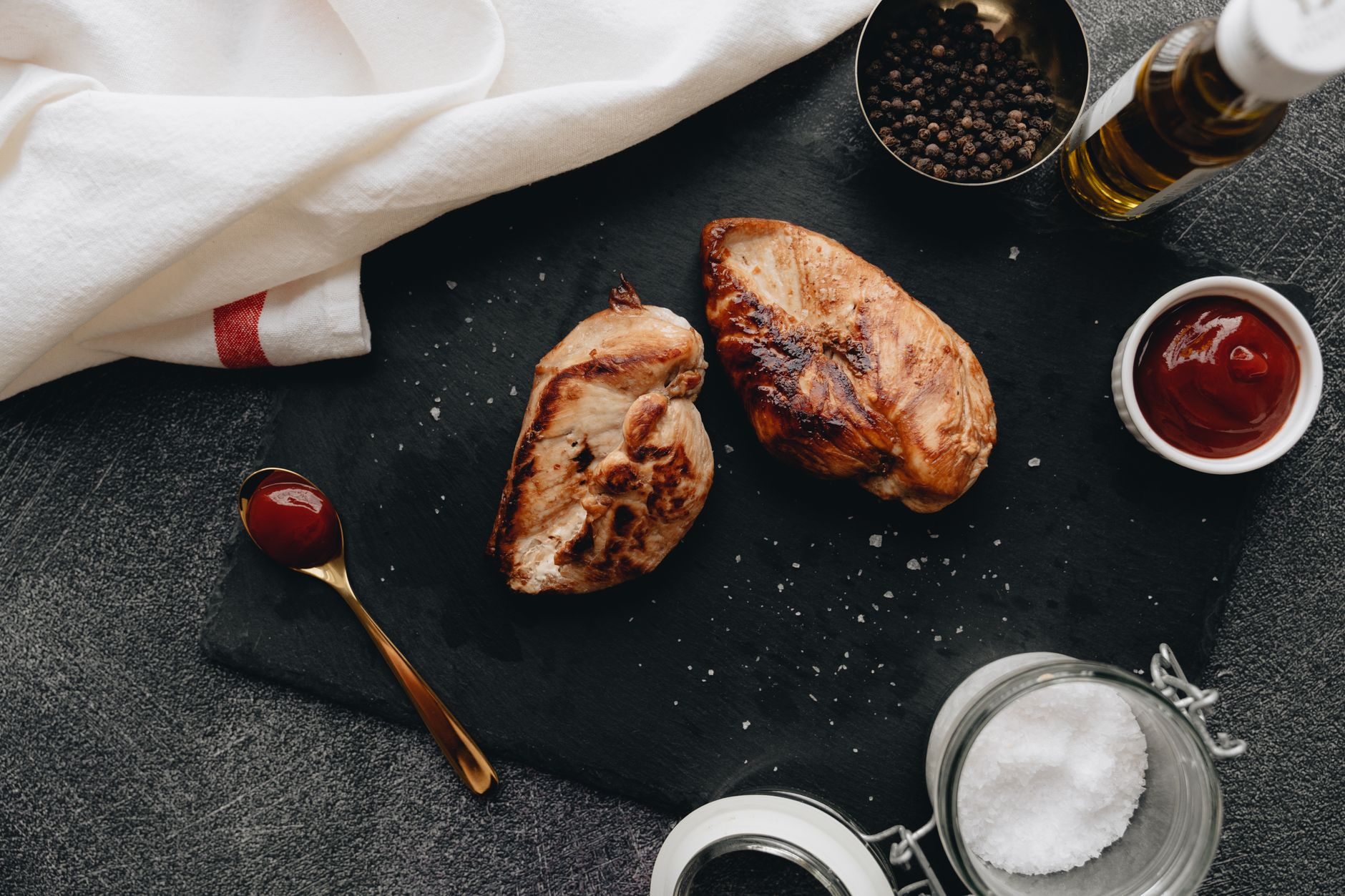
The airline chicken breast is a unique cut of poultry that combines the tenderness of chicken breast with an elegant presentation. With its distinctive bone-in design, it offers both flavor and visual appeal, making it a popular choice among chefs and home cooks alike.
This guide will explore the characteristics of airline chicken breasts, their culinary applications, cooking techniques, and tips for proper storage. Understanding this cut will elevate your meal preparation and offer variety in your cooking routine.
What Is an Airline Chicken Breast?
The airline chicken breast is essentially a boneless chicken breast that retains a portion of the wing bone. This specific cut is renowned for its aesthetic appeal and is often used in fine dining. The presence of the bone not only enhances flavor but also gives the dish a more professional presentation on the plate.
Culinary Characteristics
Airline chicken breasts are notable for their size and shape, typically larger than standard chicken breasts and often weighing between 8 to 12 ounces each. The skin is usually left on to provide moisture and flavor during cooking, while the bone contributes to a richer taste profile that enhances the overall dish.
When properly cooked, airline chicken breasts offer a juicy, tender texture due to their fat content, which helps keep the meat moist. The skin can become crispy when roasted or pan-seared, adding an appealing crunch that complements the tender meat.
Where to Buy Airline Chicken Breasts
Airline chicken breasts can be found at butcher shops, specialty markets, or even some grocery stores. When purchasing, look for breasts that are plump, with a firm texture and no discoloration. Freshness is key, so check the sell-by date or ask the butcher for details on when the chicken was processed.
Why Choose Airline Chicken Breasts?
There are several reasons to incorporate airline chicken breasts into your cooking repertoire:
- Flavor: The bone adds unique flavor that enhances dishes.
- Presentation: Their distinctive shape makes for an attractive plate.
- Versatility: Suitable for grilling, roasting, and sautéing, they can adapt to various cuisines.
- Juiciness: The breast remains moisture-rich when cooked properly, resulting in tender meat.
Cooking Techniques for Airline Chicken Breasts
Understanding how to prepare airline chicken breasts properly is crucial for achieving the best results. Here are some techniques to consider:
Roasting
Roasting is an excellent method for cooking airline chicken breasts, allowing the skin to crisp while keeping the meat juicy. Here’s how to do it:
- Preheat your oven to 425°F (220°C).
- Season the chicken with salt, pepper, and any other desired spices or herbs.
- Heat a tablespoon of oil in an oven-safe skillet over medium-high heat.
- Place the chicken skin-side down in the skillet and sear for about 4-5 minutes until golden brown.
- Flip the chicken and transfer the skillet to the preheated oven.
- Roast for 20-25 minutes or until the internal temperature reaches 165°F (75°C).
- Remove from the oven, cover loosely with foil, and let rest for 5-10 minutes before serving.
Sautéing
Sautéing is a quicker method that produces a rich flavor. Here’s a straightforward approach:
- Heat a frying pan over medium heat and add a tablespoon of oil.
- Season the airline chicken breast and place it skin-side down in the hot pan.
- Sauté for 5-7 minutes until the skin is crispy and golden.
- Flip the chicken and reduce the heat to medium-low, cooking for another 10-12 minutes, ensuring it reaches an internal temperature of 165°F (75°C).
- Let the chicken rest before slicing to maintain its moisture.
Grilling
Grilling imparts a lovely smoky flavor and is a fantastic option during warmer months:
- Preheat your grill to medium-high heat.
- Season the airline chicken breast, and optionally marinate for added flavor.
- Place the chicken on the grill, skin-side down, and cook for 6-8 minutes.
- Flip and reduce heat to medium, cooking for an additional 12-15 minutes, or until done.
- Remove from heat and let rest for a few moments before serving.
Flavor Pairings and Recipe Ideas
Airline chicken breasts pair exceptionally well with a variety of flavors. Here are some suggestions for seasonings, marinades, and recipe ideas:
Seasonings
- Herbs: Rosemary, thyme, oregano, or basil enhance the natural flavor of chicken.
- Citrus: Lemon or lime zest and juice can add brightness.
- Spices: Paprika, garlic powder, onion powder, and cayenne pepper offer depth and heat.
- Marinades: Consider balsamic vinegar, soy sauce, or yogurt-based marinades for added tenderness and flavor.
Recipe Ideas
- Airline Chicken with Lemon Butter Sauce: Serve the roasted chicken with a sauce made from butter, lemon juice, and fresh herbs.
- Grilled Airline Chicken with Avocado Salsa: Top grilled chicken with a refreshing mix of diced avocado, tomatoes, red onion, and lime juice.
- Stuffed Airline Chicken: Fill the chicken breast with a mixture of herbs, cheese, and spinach before cooking for a flavorful twist.
Storage and Reheating Tips
Knowing how to store cooked airline chicken breasts will help maintain their flavor and prevent spoilage. Here are reliable guidelines:
Once cooked, airline chicken should be cooled to room temperature and placed in an airtight container. Store in the refrigerator for up to four days. For longer storage, wrap in plastic wrap and seal in a freezer-safe container, where it can last for 2-3 months.
When reheating, use a microwave at low power, an oven set at 350°F (175°C), or a stovetop to prevent the meat from drying out. Always ensure the chicken reaches an internal temperature of 165°F (75°C) before consuming. For more specifics on cooked chicken storage, refer to this guide.
Common Mistakes and Troubleshooting
Even simple techniques can lead to issues without proper attention. Here are some common mistakes and tips for troubleshooting:
Overcooking
To avoid drying out the meat, use a meat thermometer to check for doneness. Always aim for 165°F (75°C) and remove from heat immediately.
Improper Seasoning
Don’t be shy with seasonings. Airline chicken breasts are large and can handle robust flavors, so season generously.
Lack of Resting
Resting is vital for retaining juices. Allow cooked chicken to rest for at least five minutes before slicing to ensure tenderness.
Meal Planning with Airline Chicken Breasts
Incorporating airline chicken breasts into your weekly meal planning is simple due to their versatility. Here’s a meal plan to get started:
| Day | Meal |
|---|---|
| Monday | Roasted airline chicken with veggies |
| Tuesday | Grilled chicken tacos with avocado salsa |
| Wednesday | Stuffed airline chicken with spinach and cheese |
| Thursday | Sautéed airline chicken with lemon butter sauce |
| Friday | Chicken salad with leftover roasted chicken |
Developing a plan that includes airline chicken can help reduce food waste, make shopping lists easier, and introduce variety to your meals.
Conclusion
Airline chicken breasts are a fantastic ingredient to explore in your cooking. With their striking presentation and rich flavor, they can easily elevate any meal from ordinary to extraordinary. Understanding how to prepare, cook, and store this unique cut will empower you to create delicious chicken dishes that are sure to impress.
For more guidance on chicken storage, check out this resource. Explore related recipes and cooking tips to dive deeper into the world of chicken dishes and enjoy the culinary journey.