
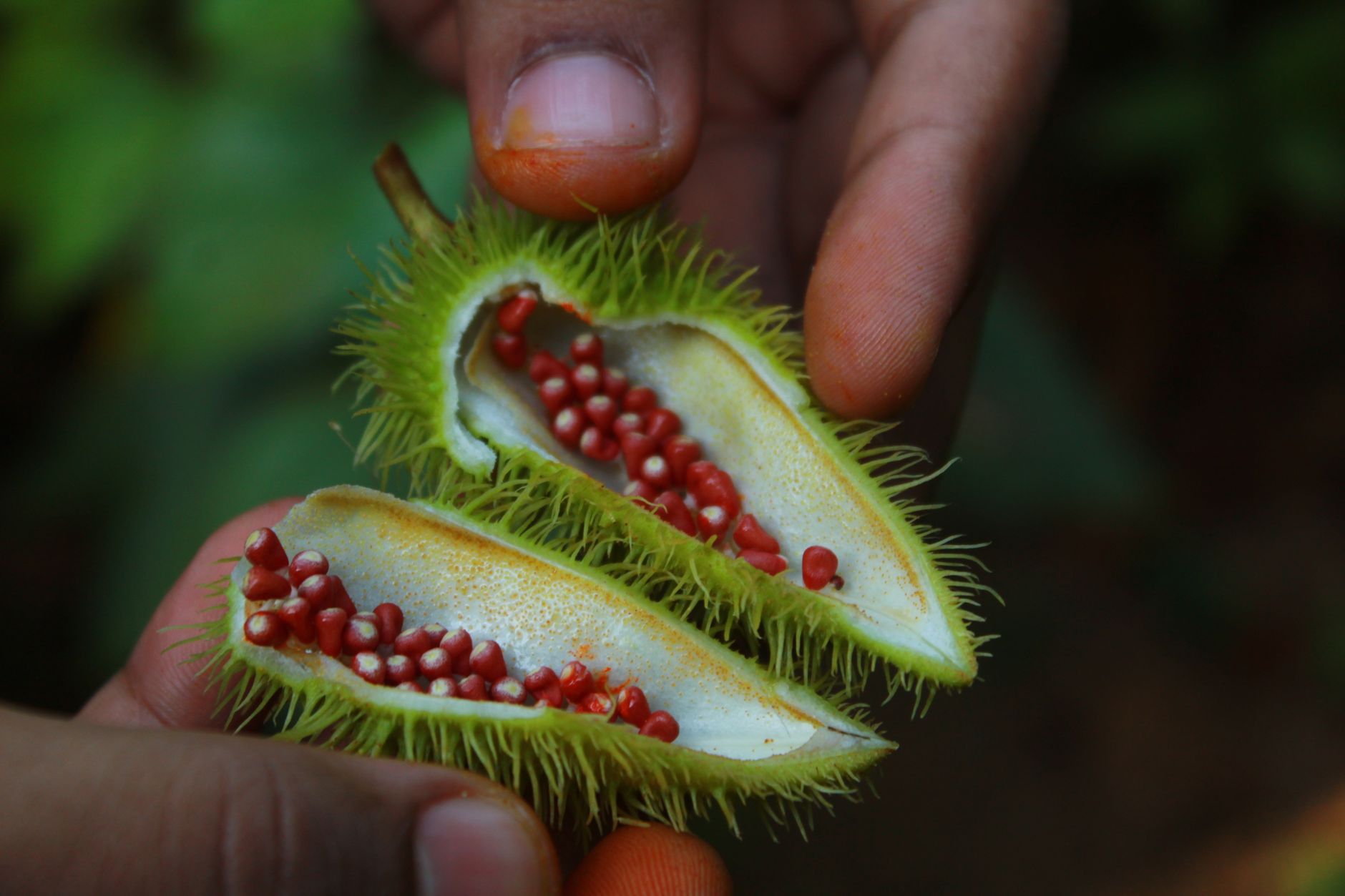
Achiote, also known as annatto, is a versatile ingredient derived from the seeds of the Bixa orellana tree, native to tropical regions. Popular in Latin American and Caribbean cuisines, achiote is celebrated for its vibrant color and unique flavor profile. This article will explore its culinary uses, health benefits, preparation techniques, and substitutes, providing a comprehensive guide for those interested in incorporating this ingredient into their cooking.
From its origins to its rich flavor, understanding achiote will elevate your cooking, particularly in traditional dishes such as mole and cochinita pibil. Whether you’re an experienced chef or a curious home cook, this guide will deepen your appreciation for this delightful spice.
What Is Achiote?
Achiote is both a spice and a food coloring agent derived from the seeds of the annatto tree. The seeds are small, reddish-brown, and covered in a hard shell. Ground into a powder or made into a paste, achiote has an earthy taste, with mild peppery and nutty notes. Its vivid color, ranging from yellow to deep orange-red, makes it a popular natural food dye in food manufacturing.
Culinary Uses of Achiote
Achiote is used in various forms, including powder, paste, and oil. Its applications include flavoring, coloring, and marinating, making it ideal for a range of dishes.
Achiote Powder
Achiote powder is the ground form of the seeds, often used as a seasoning in spice blends or as a direct flavoring agent. It can be added to:
- Soups and stews for depth of flavor
- Rubbed onto meats for grilling or roasting
- Mixed into rice dishes for color and taste
Achiote Paste
Achiote paste is made from ground achiote seeds mixed with additional spices, vinegar, and citrus juices. It is commonly used to:
- Marinate meats, particularly chicken and pork
- Add flavor and color to Mexican dishes such as tacos and enchiladas
- Enhance the taste of sauces and marinades
Achiote Oil
Achiote oil is infused oil made by steeping achiote seeds in cooking oil. This oil can be used for:
- Cooking base for stir-fries
- Flavoring dressings and dips
- Drizzling over roasted vegetables
Health Benefits of Achiote
Achiote is not only valued for its flavor; it also has nutritional benefits. Its seeds contain:
- Antioxidants, which combat free radicals and may reduce inflammation
- Vitamins A and E, contributing to eye health and skin care
- Minerals such as calcium and iron, essential for bone health and energy
While the amounts of these nutrients consumed through common culinary use are modest, every bit contributes to a balanced diet.
Selecting and Storing Achiote
When purchasing achiote, you’ll find it in its various forms: whole seeds, powder, or paste. Here’s how to choose:
Whole Seeds
Look for firm, vibrant seeds without blemishes or mold. Store them in an airtight container in a cool, dark place for up to one year.
Achiote Powder
Choose powder that is bright orange or red, indicating freshness. Store it similarly in an airtight container, and use it within six months for the best flavor.
Achiote Paste
Opt for paste that has a smooth consistency and vibrant hue. Refrigerate leftover paste and use it within a few weeks for optimal taste.
Cooking Techniques with Achiote
To effectively incorporate achiote into your dishes, understanding some basic cooking techniques is crucial.
Infusing Achiote Oil
- Start by heating vegetable or olive oil in a saucepan over low heat.
- Add a tablespoon of achiote seeds.
- Allow the seeds to simmer until the oil takes on a rich orange color, about 5-10 minutes, being careful not to let the oil smoke.
- Strain the oil to remove seeds and use it for cooking or dressings.
Preparing Achiote Paste
- In a small blender or food processor, combine achiote seeds with vinegar, citrus juice (like lime or orange), garlic, and other herbs as desired.
- Blend until a smooth paste forms, adding water if necessary for consistency.
- Use this paste to marinate meats or as a cooking ingredient in soul-warming dishes.
Achiote Substitutes and Variations
Finding a substitute for achiote involves considering both flavor and color. Here are some reliable alternatives:
Substitutes for Achiote
- Paprika: Offers a similar warm hue and mild flavor. Use as a 1:1 substitute.
- Turmeric: Provides a bright yellow color and earthy flavor. Use half the amount due to its strong flavor.
- Curry powder: Has a complex flavor with an orange tint, but its taste is significantly stronger. Use sparingly and adjust as needed.
Cooking Variations
Feel free to experiment by blending achiote with other spices or herbs. Pair it with:
- Cilantro for fresh flavor
- Chili peppers for heat
- Garlic for aromatic depth
Common Mistakes and Troubleshooting
While working with achiote, there are some common pitfalls to avoid:
Overcooking Achiote Oil
Burning achiote seeds or oil can impart an unpleasant bitterness. Always heat slowly and monitor closely.
Using Too Much
Achiote has a potent color but a mild flavor. If it’s overpowering other dish elements, reduce the amount in future preparations.
Storing Improperly
Improper storage can compromise freshness and flavor. Ensure your achiote products are kept in airtight containers in a cool, dark location.
Flavor Profiles and Pairing Suggestions
The flavor of achiote is complex yet subtle, making it compatible with various ingredients. Here are some suggestions for pairing:
Meat Pairings
- Pork: Achiote is a classic flavoring for slow-cooked pork dishes.
- Chicken: Works well as a marinade, especially when combined with citrus.
- Fish: Pairs nicely with white fish or shrimp, enhancing its delicate taste.
Vegetable Pairings
- Root vegetables: Sweet potatoes and carrots can highlight the earthy tones of achiote.
- Legumes: Beans and lentils can benefit from achiote in soups and stews.
- Rice: Adds vibrant color and flavor to rice dishes, making them visually appealing and tasty.
Traditional Dishes Featuring Achiote
Achiote is integral to various traditional dishes across Latin America and the Caribbean. Some notable mentions include:
Cochinita Pibil
A traditional Mexican slow-cooked pork dish marinated in achiote paste and citrus juices, wrapped in banana leaves for a tender and aromatic result.
Mole Poblano
A rich and complex sauce that often includes achiote to deepen the flavor and provide a warm color.
Empanadas and Tacos
Often filled with meats seasoned with achiote, these tasty hand-held meals are popular street foods.
Exploring Achiote in Modern Cooking
Chefs worldwide are now incorporating achiote into contemporary cuisines, blending its traditional roots with innovative cooking techniques. Here’s how to explore its modern applications:
Garnishing Plates
Use achiote oil as a drizzle over modern dishes for a splash of color and subtle flavor enhancement.
Crossover Dishes
Incorporate achiote in barbecue sauces, marinades, or vinaigrettes for a unique twist on familiar recipes.
Final Thoughts on Achiote
In summary, achiote is a valuable ingredient that adds vibrancy and depth to numerous dishes. With its unique flavor and appealing color, it has become a staple in traditional cuisine and modern cooking alike.
You can experiment with achiote in various recipes, from marinating meats to creating colorful rice dishes. Embrace its versatility and consider incorporating it into your culinary repertoire for an elevated cooking experience.
For further exploration, check out related recipes and guides that enhance your cooking passion.