
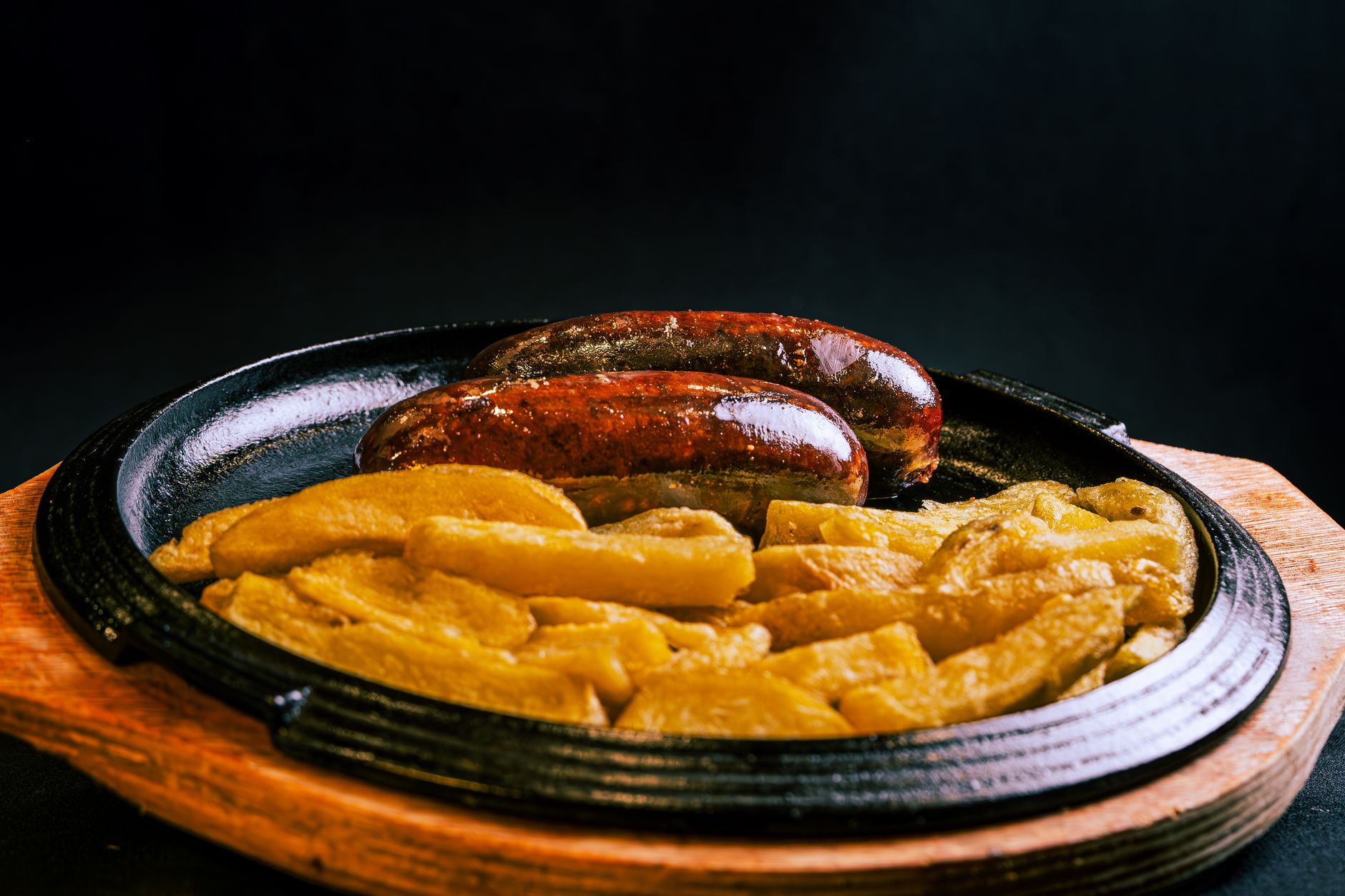
Vienna sausages are a popular canned meat product known for their unique flavor and convenience. Often made from a mixture of meats, including pork and beef, these sausages are finely ground and encased in a delicate thin casing. Their texture is smooth, making them a go-to option for quick meals and snacks.
Originating from Europe, particularly Vienna, Austria, these sausages have found their way into various cuisines worldwide. They are frequently used in gourmet dishes and casual fare alike, appealing to both the adventurous eater and those seeking comfort food.
What Is a Vienna Sausage?
A Vienna sausage is a small, smoked, and fully cooked sausage traditionally made from finely ground meats like pork and beef, although some variations include chicken or turkey. Their distinctive succulent flavor comes from a blend of spices and flavor enhancers, which can vary by manufacturer.
These sausages are typically packaged in a can, preserving their smokiness and moisture. Vienna sausages are known for their tender texture and slightly salty taste, offering a balance of savory flavors that are versatile for various culinary applications.
Taste and Texture of Vienna Sausages
The taste of Vienna sausages can be described as subtly smoky and savory, with a hint of spiciness depending on the brand or recipe. They have a mild yet complex flavor that makes them easy to pair with a variety of dishes or even enjoy straight from the can.
The texture is smooth, almost creamy, due to the fine grinding of meats and the emulsification of fat and protein. This makes them easy to chew and digest, which is one reason they appeal to a broad audience, from children to adults.
Kitchen Uses for Vienna Sausage
Vienna sausages are incredibly versatile and can be used in many culinary contexts. Here are some common kitchen uses:
- Snacking: Vienna sausages can be a quick and satisfying snack. Pair them with crackers or cheese for a simple appetizer.
- Casseroles: They can be sliced and added to casseroles, providing a protein boost and flavor enhancement.
- Soups: Adding Vienna sausages to soups can enrich the broth and add heartiness, making it a perfect comfort food dish.
- Breakfast dishes: Incorporate them into scrambled eggs, frittatas, or breakfast burritos for a protein-packed meal.
- Hot dogs: While traditionally a hot dog is made using different meats, Vienna sausages can also be served in buns with various toppings.
Packing and Storage of Vienna Sausage
Vienna sausages usually come in a can, which ensures a long shelf life. An unopened can of Vienna sausages can typically last for three to five years when stored in a cool, dry place.
Storage Tips
- Once opened, transfer any remaining sausages to an airtight container and refrigerate them. They should be consumed within three to four days.
- Always check for any signs of spoilage before consumption, even if the can appears undamaged.
Are Vienna Sausages Healthy?
When discussing the health aspects of Vienna sausages, it’s important to consider their nutritional content. Generally, they are high in protein but may also contain high sodium levels and preservatives, depending on the brand.
- Protein: They provide a convenient source of protein, essential for muscle repair and growth.
- Sodium content: Many canned foods, including Vienna sausages, are high in sodium. It’s wise to consume them in moderation, especially if you are watching your salt intake.
- Additives: Check labels for any preservatives or additives if you prefer whole food options. Some brands offer natural alternatives that are free from artificial ingredients.
Common Mistakes When Using Vienna Sausages
When incorporating Vienna sausages into various dishes, here are some common pitfalls to avoid:
- Overcooking: Given that Vienna sausages are already cooked, they require minimal heating. Overcooking can lead to a rubbery texture.
- Ignoring sodium content: As mentioned, be aware of the sodium levels and balance them with low-sodium ingredients in your dishes.
- Not adjusting seasoning: Because of their salty profile, it’s wise to taste your dish before adding extra salt.
Creative Recipe Ideas
Now, let’s explore some creative ways to use Vienna sausages in your cooking.
Vienna Sausage Casserole
This hearty casserole brings together Vienna sausages, vegetables, and a creamy base, making it a filling once dish meal.
Ingredients
- 1 can of Vienna sausages, chopped
- 2 cups of green beans, cooked
- 1 cup of cream of mushroom soup
- 1 cup of shredded cheddar cheese
- 1 cup of cooked rice
- Salt and pepper to taste
Instructions
- Preheat the oven to 350°F (175°C).
- In a large bowl, combine the chopped Vienna sausages, green beans, cream of mushroom soup, cooked rice, and half of the cheese. Stir until mixed.
- Add salt and pepper as needed, then transfer the mixture to a greased casserole dish.
- Top with the remaining cheese.
- Bake for 25-30 minutes, or until heated through and the cheese is bubbly.
Vienna Sausage Stir-Fry
This quick stir-fry serves as a vibrant and colorful dish suitable for a busy weeknight meal.
Ingredients
- 1 can of Vienna sausages, sliced
- 2 cups of mixed vegetables (bell peppers, carrots, broccoli)
- 2 tablespoons of soy sauce
- 1 tablespoon of olive oil
- 1 teaspoon of garlic, minced
- Cooked rice or noodles, for serving
Instructions
- Heat the olive oil in a skillet over medium heat. Add the minced garlic and sauté until fragrant.
- Add the mixed vegetables and cook for about 3-5 minutes until they begin to soften.
- Add the sliced Vienna sausages and soy sauce. Cook for an additional 2-3 minutes, stirring frequently until everything is heated through.
- Serve over cooked rice or noodles.
Suggestions for Pairing Vienna Sausages
Vienna sausages can be paired with various ingredients to create delicious meals or snacks. Here are some suggestions:
- Cheese: Aged cheddar or gouda complements the saltiness of the sausages.
- Mustard: A zesty mustard dip, such as Dijon, adds a tangy contrast.
- Pico de gallo: Fresh salsa can brighten the flavor profile.
- Hot Sauce: Spice things up with your favorite hot sauce.
- Crackers: A variety of crackers can bring texture, making them a great snack option.
Substitutions for Vienna Sausages
If you’re looking for alternatives to Vienna sausages, there are several options. Here are some suitable substitutions:
- Hot dogs: A common substitute that has a similar texture and flavor. They might require longer cooking time depending on the dish.
- Smoked sausage: Offers a more intense smoky flavor and can provide different texture depending on the type selected.
- Tofu or tempeh: For a vegetarian option, use marinated and grilled tofu or tempeh, sliced into bite-sized pieces.
- Canned chicken: A convenient protein that can also work well in similar recipes that call for Vienna sausages.
Conclusion
Vienna sausages are a beloved food product for their versatility and ease of use. Whether they are part of a hearty casserole, a quick stir-fry, or simply enjoyed as a snack, they offer delightful flavor and texture. With potential health quirks regarding sodium content, thoughtful preparation can help you incorporate them healthily into your meals.
Are you inspired to explore more creative ways to use sausages in your cooking? Check out our recipes for Andouille Sausage or Turkey Sausage for other delicious ideas!