
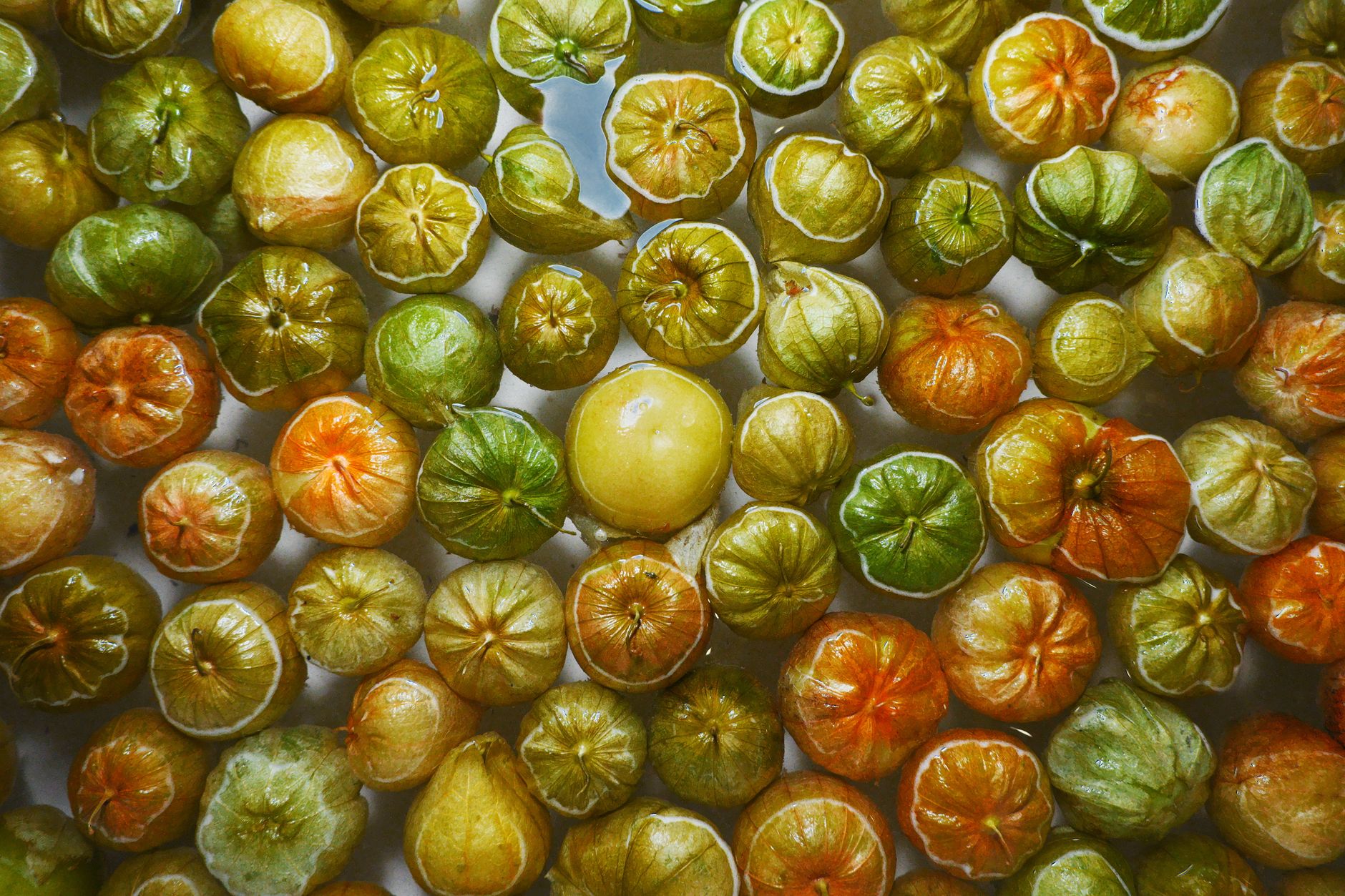
Tomatillos are vibrant green, round fruits known for their distinctive tart flavor and unique appearance. Encased in a papery husk, they are a staple in Mexican cuisine, providing a zesty base for salsas, soups, and sauces.
In this article, we’ll explore the characteristics, uses, and cooking techniques involving tomatillos, along with how to select and store them. Dive into the world of this versatile ingredient!
What Is A Tomatillo?
Tomatillos, also known as husked tomatoes, belong to the nightshade family, which includes tomatoes, potatoes, and eggplants. They are native to Mexico and play an essential role in traditional Mexican dishes.
The fruit typically has a bright green color, although yellower and purple varieties exist. Their flavor is tart and slightly citrusy, which adds a refreshing note to various recipes. The distinctive papery husk covers the tomatillo and should be removed before consumption.
Characteristics of Tomatillos
When exploring tomatillos, it’s essential to understand their key characteristics, which include:
- Appearance: Tomatillos are small, round fruits, usually ranging from about 1 to 2 inches in diameter. They have a bright green skin with a waxy coating and are enclosed in a dry, papery husk.
- Flavor: They possess a refreshing tartness that can vary from mildly tangy to intensely sour, depending on ripeness and variety. The juicy flesh is slightly sticky and has a refreshing texture.
- Nutrition: Tomatillos are low in calories but rich in vitamins C and K, and they also contain antioxidants and fiber, making them a nutritious addition to any dish.
Common Uses of Tomatillos
Tomatillos are incredibly versatile and can be used in various ways:
- Salsas: One of the most popular uses of tomatillos is in salsa verde, a green salsa made with roasted or blended tomatillos, onions, cilantro, and lime juice.
- Soups: They can lend a lovely tang to soups and stews, pairing well with other ingredients in both vegetarian and meat-based recipes.
- Salads: Fresh tomatillo slices can add a zesty element to salads, contributing both flavor and color.
- Grilling: Grilled tomatillos can be served as a side dish or incorporated into other recipes for a smoky flavor.
- Stuffing: You can even stuff tomatillos with various fillings for a unique twist on a traditional dish.
How to Select Tomatillos
Selecting the best tomatillos is an essential step for achieving the best flavor in your dishes. Here are some tips:
- Size: Choose tomatillos that are firm and plump. They should feel somewhat heavy for their size, indicating juiciness.
- Husk Condition: Look for tomatillos with dry, intact husks, which should be somewhat loose around the fruit. Avoid those with torn or moldy husks.
- Color: While green is the most common color, deeper shades indicate ripeness. They should have a vibrant green hue without blemishes.
How to Prepare Tomatillos
Preparation of tomatillos is straightforward, though it does require a few essential steps:
- Removing the Husk: Carefully peel away the papery husk, discarding it. Rinse the tomatillos under cold water to remove any sticky residue.
- Cutting: Depending on your recipe, you may want to chop, slice, or blend the tomatillos.
- Cooking: They can be used raw or cooked. Roasting or grilling enhances their flavor, resulting in a smoky taste.
Cooking Techniques for Tomatillos
Tomatillos can be prepared using various cooking techniques. Here’s how to use some of the most common methods:
Roasting
Roasting intensifies the tomatillo’s flavor and reduces its tartness. Here’s a quick guide:
- Preheat your oven to 400°F (204°C).
- Place the prepared tomatillos on a baking sheet, drizzling them with olive oil and seasoning with salt.
- Roast in the oven for 20 to 25 minutes, or until the skin is slightly charred and the fruit is soft.
Blending
Blending tomatillos creates smooth sauces or dips, perfect for salsas. Follow these steps:
- Add prepared tomatillos to a blender, along with ingredients such as onions, garlic, and spices.
- Blend until smooth, adjusting seasoning as needed.
- Serve immediately, or store in the refrigerator for later use.
Grilling
Grilling adds a unique smoky flavor to tomatillos. Here’s how to do it:
- Preheat the grill to medium-high.
- Cut the tomatillos in half and place them cut-side down on the grill.
- Grill for about 5 to 7 minutes, until they show grill marks and soften slightly.
Tomatillo Recipes
Incorporating tomatillos into your meals can elevate your dishes. Here are some delicious recipes:
Salsa Verde
A classic Mexican salsa verde, perfect for tacos, grilled meats, or as a dip.
- Ingredients:
- 1 pound tomatillos, husked and rinsed
- 1 small onion, chopped
- 2 cloves garlic, peeled
- 1-2 jalapenos (optional), chopped
- 1/2 cup fresh cilantro, chopped
- Juice of 1 lime
- Salt to taste
- Roast the tomatillos on a baking sheet at 400°F (204°C) for about 20 minutes.
- Add the roasted tomatillos, onion, garlic, jalapenos, cilantro, lime juice, and salt to a blender.
- Blend until smooth. Adjust seasoning as necessary.
- Serve with tortilla chips or as a condiment for your favorite dishes.
Tomatillo and Black Bean Tacos
Flavorful vegetarian tacos that are both nourishing and satisfying.
- Ingredients:
- 8 small corn tortillas
- 1 can black beans, rinsed and drained
- 1 cup salsa verde (prepared from the previous recipe)
- 1 avocado, sliced
- 1/2 cup crumbled feta cheese or queso fresco (optional)
- Lime wedges for serving
- In a skillet, warm the black beans over medium heat, adding a bit of salsa verde to enhance flavor.
- Warm the tortillas on the grill or in another skillet.
- Assemble tacos with black beans, salsa verde, avocado slices, and cheese, if desired.
- Serve immediately with lime wedges.
Storing Tomatillos
Proper storage will help maintain the quality of tomatillos:
- Unripe Tomatillos: Store unripe tomatillos at room temperature for several days until they ripen.
- Ripe Tomatillos: Once ripe, store them in the refrigerator in a paper bag or in a container to prevent excessive moisture.
- Cooked Tomatillos: Store cooked dishes containing tomatillos in an airtight container in the refrigerator for up to four days.
Common Mistakes with Tomatillos
While cooking with tomatillos, here are some common mistakes to avoid:
- Not removing the husk: The papery husk is inedible and must be discarded before preparing the tomatillos.
- Ignoring ripeness: Using overly ripe tomatillos can result in overly sour dishes, while under ripe ones lack flavor.
- Overcooking: Cooking tomatillos too long can make them mushy. Monitor their texture to ensure they retain some firmness.
Tomatillo Substitutions
If you cannot find tomatillos or want an alternative, consider these options, keeping in mind that flavors may differ:
- Green Tomatoes: They offer a similar texture but lack the tartness of tomatillos.
- Gooseberries: Their acidity is comparable, yet they have a sweeter flavor.
- Lime Juice: If you’re looking for acidity for salsa, lime juice can help replicate some tartness.
Conclusion
Tomatillos are a unique and flavorful ingredient that can enhance a wide variety of dishes. Their tangy profile brings brightness to salsas, soups, and more. By learning to select, prepare, and cook with tomatillos, you can elevate your culinary skills.
Ready to experiment with tomatillos in your kitchen? Explore more recipes and cooking tips to uncover new flavors and techniques!