
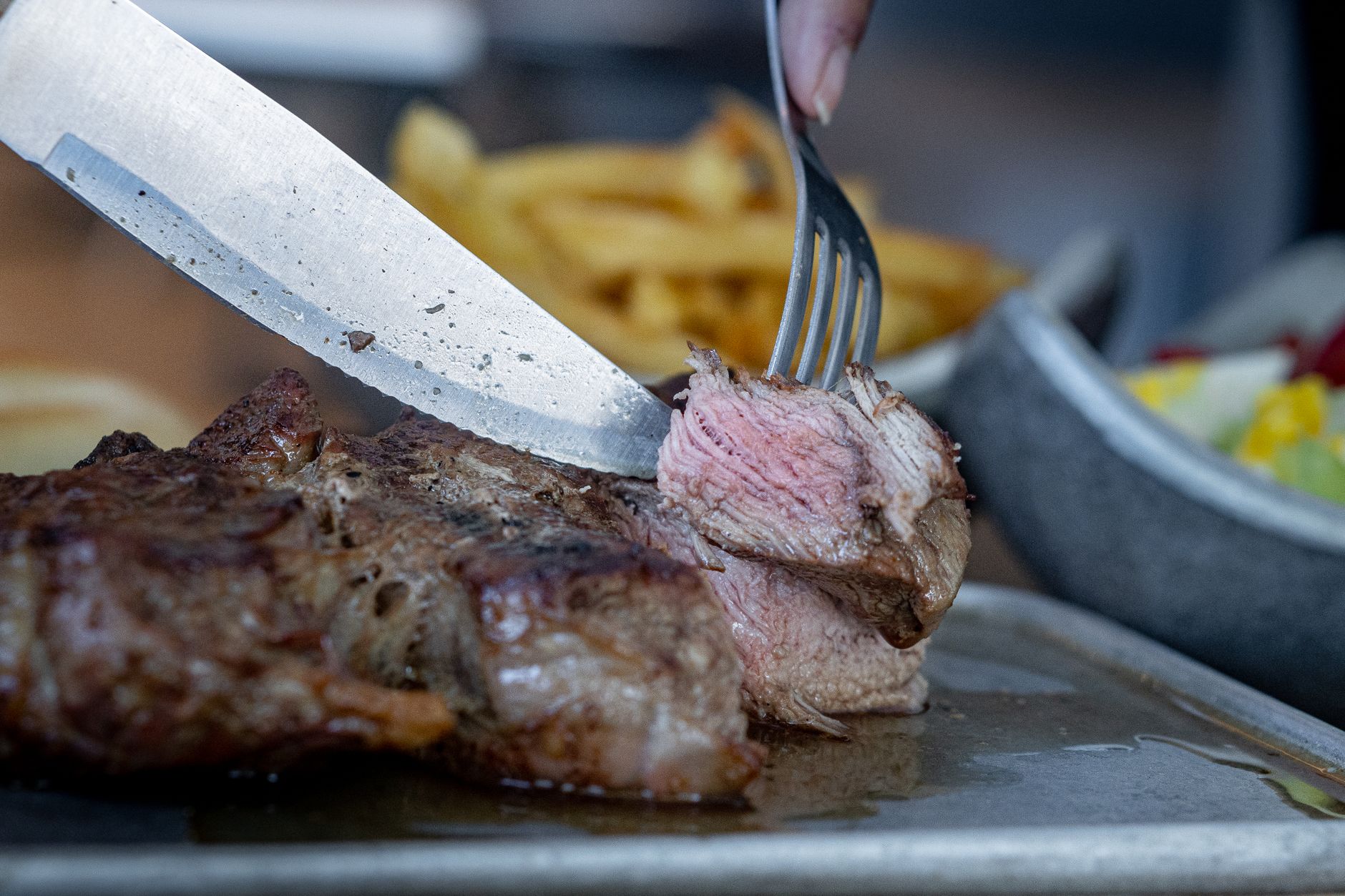
Tenderloin steak is one of the most prized cuts of beef due to its tenderness and subtle flavor. Cut from the loin of the cow, this steak is often associated with luxury dining and is a favorite for special occasions or hearty meals at home.
This article will explore everything you need to know about tenderloin steak—from its taste and texture to its various cooking methods and kitchen uses.
What Is a Tenderloin Steak?
A tenderloin steak is a lean cut of beef sourced from the psoas major muscle, situated along the spine of the cow. This cut is known for its buttery tenderness and gentle flavor, making it a beloved choice among steak enthusiasts.
This cut comes in several forms, including the filet mignon, which is a small section of the tenderloin, and the larger chateaubriand, often cooked for two or more people. The versatility of the tenderloin steak makes it suitable for various cooking techniques, including grilling, searing, and roasting.
Taste and Texture of Tenderloin Steak
Tenderloin steak has a mild, beefy flavor that is less intense than some other cuts, such as ribeye or flank steak. This understated flavor allows it to pair beautifully with a range of sauces, rubs, and marinades, making it a flexible choice for various culinary applications.
The texture of tenderloin steak is characterized by its silken mouthfeel and unparalleled tenderness. This is due to the absence of connective tissue, making it easier to chew. When cooked properly, tenderloin steak can melt in your mouth, delivering a delightful dining experience.
Choosing the Right Tenderloin Steak
When selecting a tenderloin steak, there are several factors to consider:
- Grade: Beef is graded based on its marbling, tenderness, and overall quality. Look for USDA Prime or Choice grades for the best flavor and tenderness.
- Color: Fresh tenderloin steaks should have a bright red color. Avoid any cuts that appear brown or have an off smell.
- Thickness: Aim for steaks that are at least 1.5 to 2 inches thick for even cooking and a satisfying steak experience.
- Butcher’s advice: Don’t hesitate to ask your butcher for recommendations. They can provide insights on the best grades and cuts to suit your preferences.
Cooking Techniques for Tenderloin Steak
There are several popular cooking methods for tenderloin steak, each of which highlights its tenderness. Here are some tried-and-true techniques:
Grilling
Grilling tenderloin steak is an excellent way to enhance its natural flavor. Here’s how to do it:
- Preheat your grill to medium-high heat.
- Season the steak simply with salt and pepper, or use your favorite steak rub.
- Place the steak on the grill and cook for 4-5 minutes per side for medium-rare.
- Check the internal temperature with a meat thermometer; 130-135°F (54-57°C) is ideal for medium-rare.
- Let the steak rest for 5-10 minutes before slicing to retain juices.
Pan-Searing
Pan-searing is another effective method that gives the steak a fantastic crust. Here’s how:
- Heat a heavy skillet (cast iron is a great choice) over high heat and add a tablespoon of oil.
- Season the steak with salt and pepper or a marinade of your choice.
- Once the oil shimmers, add the steak to the skillet and sear for about 3-4 minutes on each side.
- Reduce heat and allow to cook for an additional 4-6 minutes, checking the internal temperature.
- Rest before slicing to ensure the juices redistribute.
Roasting
For a tenderloin roast, especially when cooking for a gathering, roasting is ideal:
- Preheat your oven to 400°F (204°C).
- Season the entire tenderloin, preferably using a herb crust or marinade.
- In a hot skillet, sear the tenderloin on all sides to achieve a nice crust.
- Transfer to the oven and roast for about 20-30 minutes or until it reaches your desired doneness.
- Allow to rest before slicing.
Flavor Pairings and Sauces
Tenderloin steak’s delicate flavor allows for a variety of complementary pairings:
- Herbs: Fresh herbs such as rosemary, thyme, and parsley work wonderfully with tenderloin.
- Sauces: Consider béarnaise, chimichurri, or a simple red wine reduction to enhance the dish.
- Vegetables: Grilled asparagus, sautéed mushrooms, or roasted Brussels sprouts are excellent sides.
Serving Suggestions
When serving tenderloin steak, presentation can elevate the dining experience:
- Slicing the steak against the grain ensures maximum tenderness and appealing presentation.
- Drizzle sauces over the steak or serve them on the side for guests to choose.
- Consider pairing with sides that balance the richness, such as a fresh salad or tangy coleslaw.
Storage and Reheating
If you happen to have leftovers, here’s how to store and reheat them safely:
- Allow the steak to cool completely before storing.
- Wrap tightly in plastic wrap or aluminum foil, or place in an airtight container.
- Refrigerate for up to three days or freeze for up to three months.
To reheat, place the steak in a baking dish and cover with aluminum foil. Heat in a preheated oven at 250°F (121°C) until warmed through, taking care not to overcook.
Common Mistakes When Cooking Tenderloin Steak
Despite its forgiving nature, here are some common pitfalls to avoid when preparing tenderloin steak:
- Not letting the steak come to room temperature before cooking can lead to uneven cooking.
- Overcooking is a frequent mistake; always use a meat thermometer for precision.
- Skipping the resting period will result in loss of juices, leading to a drier steak.
Variations and Substitutions
While tenderloin steak is a fantastic cut, there are alternatives if you’re looking for similar options:
- Filet Mignon: This is a smaller portion of the tenderloin known for its exceptional tenderness.
- Sirloin Steak: Less expensive, with more flavor but less tenderness than tenderloin.
- Strip Steak: Offers more marbling and flavor while still being relatively tender.
When using these cuts, adjust cooking times and techniques as needed to achieve the desired doneness.
Conclusion
Tenderloin steak is a versatile and delicious cut that can elevate any meal. Whether grilled, pan-seared, or roasted, its tenderness and mild flavor make it a unique culinary delight.
With the right cooking methods and serving suggestions, you’ll be able to enjoy this steak like a true gourmet. Explore our related recipes or tips on cooking other cuts with confidence.
For more great recipe ideas, check out our Flat Iron Steak Recipe and Delmonico Steak Recipe for delicious ways to cook beef.