
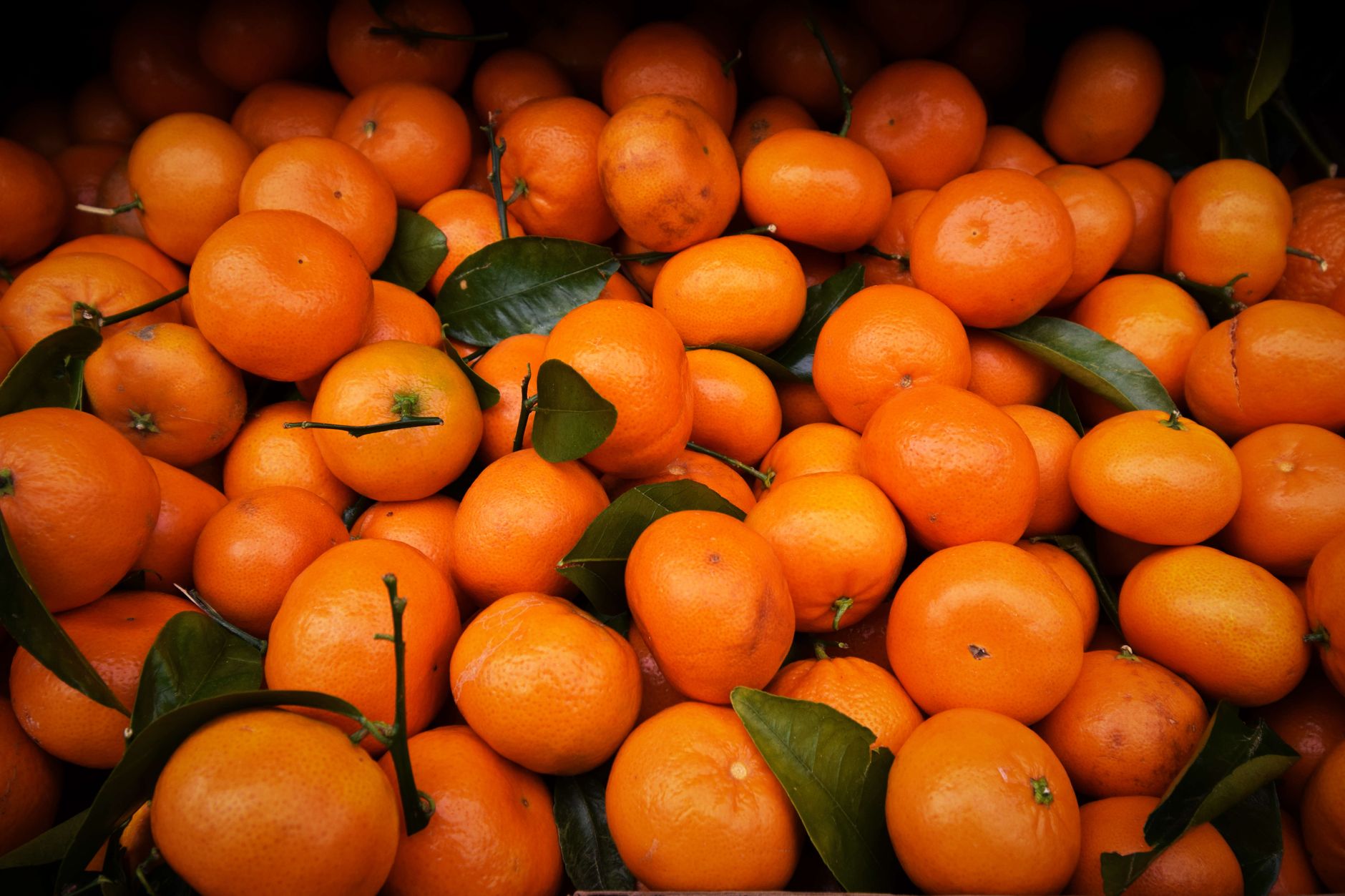
Tangerines are a delightful citrus fruit known for their easily separable segments and sweet, tangy flavor. Often mistaken for mandarins, tangerines are a popular snack, perfect for adding a burst of sunshine to salads, desserts, and various dishes.
This article will explore tangerines in detail, including their unique flavor, nutritional benefits, ways to serve them, and insights on how to select, store, and prepare this vibrant fruit.
What Is a Tangerine?
A tangerine is a type of citrus fruit that belongs to the mandarin family. It has a thin, orange skin that is easy to peel, revealing juicy, sweet segments that are perfect for snacking or using in various culinary creations. Tangerines are primarily cultivated in warmer regions and are typically available from late fall through early spring.
The Flavor and Nutritional Profile of Tangerines
Tangerines are celebrated for their sweet, tangy flavor that strikes a perfect balance between sweetness and a slight acidity. They have a juicy texture and a pleasant aroma, making them a favorite among citrus lovers. Nutritionally, tangerines are a powerhouse of vitamins and minerals:
- High in vitamin C, which supports the immune system.
- Contains dietary fiber, aiding digestion.
- Low in calories, making them an excellent snack option.
- Contains several beneficial antioxidants that combat inflammation.
How to Select and Store Tangerines
Choosing the best tangerines involves looking for specific characteristics to ensure freshness and quality:
- Color: Look for bright orange skins, avoiding any green or overly dull spots.
- Texture: The skin should feel smooth, indicating it is ripe.
- Firmness: Gently squeeze the fruit; it should feel firm but slightly yield to pressure.
Once selected, tangerines can be stored at room temperature for a few days. For longer storage, keep them in the refrigerator’s crisper drawer, where they can last up to two weeks. To maintain freshness, store them in mesh or perforated bags to promote airflow.
Delicious Ways to Serve Tangerines
Tangerines are incredibly versatile and can be enjoyed in various ways. Here are some delightful serving suggestions that highlight their flavor:
As a Snack
Easily peelable and bite-sized, tangerines make an excellent portable snack. Simply take them on-the-go for a refreshing and healthy eating option.
In Salads
Add segments of tangerines to green salads for a pop of color and flavor, pairing beautifully with nuts, cheese, and vinaigrettes.
In Desserts
Tangerines can be pureed into sorbets, used in cakes, or zested to enhance muffins and cookies. Their citrus flavor adds a bright note to sweet dishes.
In Drinks
Fresh tangerine juice can serve as a key ingredient in smoothies or cocktails. Pair tangerine juice with sparkling water for a refreshing homemade soda.
In Savory Dishes
Incorporate tangerines into savory recipes, such as stir-fries or glazes for meats. Their tangy flavor complements chicken, fish, and pork beautifully.
Simple and Delicious Tangerine Recipes
Looking to incorporate more tangerines into your diet? Here are a couple of simple recipes that showcase their flavor:
Tangerine Salad
This refreshing salad can be a perfect side to complement any meal.
- Yield: 4 servings
- Preparation Time: 15 minutes
Ingredients
- 2 cups mixed greens (spinach, arugula, etc.)
- 1 cup tangerine segments (peeled and separated)
- 1/4 cup sliced almonds
- 1/4 cup feta cheese, crumbled
- 2 tablespoons olive oil
- 1 tablespoon balsamic vinegar
- Salt and pepper to taste
Instructions
- In a large bowl, combine the mixed greens, tangerine segments, and sliced almonds.
- In a small bowl, whisk together the olive oil, balsamic vinegar, salt, and pepper.
- Drizzle the dressing over the salad and toss gently to combine.
- Top with crumbled feta cheese before serving.
Tangerine Sorbet
A refreshing dessert perfect for warm weather.
- Yield: About 4 servings
- Preparation Time: 10 minutes
- Chill Time: 2 hours
Ingredients
- 2 cups freshly squeezed tangerine juice
- 1/2 cup sugar
- 1 tablespoon lemon juice
- 1/2 cup water
Instructions
- In a small saucepan, combine sugar and water over medium heat, stirring until sugar is dissolved.
- In a mixing bowl, combine tangerine juice, lemon juice, and sugar syrup; mix well.
- Pour the mixture into an ice cream maker and churn according to the manufacturer’s instructions, or pour it into a shallow dish, freeze, and stir every 30 minutes until firm.
Common Mistakes When Using Tangerines
When incorporating tangerines into your recipes or snacks, watch out for these common pitfalls:
- Using overripe tangerines may lead to a mushy texture and an overly sweet flavor. Always check for firmness and freshness.
- Not removing seeds before serving might lead to an unpleasant eating experience. Keep an eye out, especially in homemade tangerine juice.
- For salads or dishes, be cautious about the balance of flavors. Tangerines are sweet; pairing with too many sweet ingredients can lead to a cloying dish. Mix in savory or acidic elements.
Tangerine Substitutions and Variations
If you find yourself without tangerines, several other citrus fruits can be substituted. Here are some practical options:
- Mandarins: Almost interchangeable, mandarin oranges have a similar taste and texture.
- Oranges: A larger citrus that can work in most recipes, though they are typically sweeter.
- Grapefruit: If you enjoy a slightly bitter flavor, use grapefruit for a contrasting citrus note.
- Lemons or Limes: For a more tart option, these can work, though they will introduce a different flavor profile.
When substituting, remember that some fruits may alter the dish’s sweetness or acidity and adjust your other ingredients accordingly.
Cooking Techniques with Tangerines
While tangerines are often enjoyed raw, they can also be cooked or used in various techniques to enhance their flavor:
Caramelizing Tangerines
Caramelizing tangerines involves briefly cooking them in sugar to intensify their sweetness. This technique works well for desserts and toppings.
How to Caramelize Tangerines
- Segment the tangerines and set them aside.
- In a skillet, add sugar and a bit of water, cooking over medium heat until the sugar melts and turns a light amber color.
- Add the tangerine segments and cook for a few minutes, tossing gently until they are coated and slightly softened.
Infusing Tangerine Flavor
Tangerine zest can be used to infuse flavor into various foods, from glazes to marinades.
How to Use Tangerine Zest
- Using a microplane zester, carefully remove the outer skin of the tangerine, avoiding the white pith.
- Add the zest to dressings, desserts, or marinades, allowing its citrus flavor to shine through.
Health Benefits of Tangerines
Tangerines offer numerous health benefits, making them a smart addition to your diet. Consuming them can aid in:
- Immune support due to high vitamin C levels.
- Heart health through antioxidants and dietary fiber.
- Disease prevention from anti-inflammatory properties.
Incorporating Tangerines into Your Meal Planning
When meal planning, consider the following tips to optimally use tangerines in your menu:
- Plan on incorporating them into salads, snacks, and desserts throughout the week.
- Batch prepare salads or dressings that include tangerines for easy meal prep.
- Use tangerines to enhance both breakfast and lunch menus, adding them to yogurt or paired with grains.
Storage and Preservation of Tangerines
The best way to preserve tangerines is by storing them properly. Here are some effective methods:
- Keep tangerines in a cool, dry place or refrigerate to extend their freshness.
- Freeze tangerine segments in airtight containers to enjoy them in smoothies or desserts for later use.
Tangerines are not only delicious but also versatile, making them a fantastic ingredient to include in your culinary repertoire. Whether you enjoy them fresh, in a salad, or as a part of a dessert, their unique flavor is sure to elevate your dishes. With the tips and information outlined in this article, you’re well-equipped to make the most out of this vibrant fruit.
To explore more recipes and cooking tips, consider visiting resources for various salad ideas, or learn about how to incorporate other citrus fruits in your meals for added flavor.