
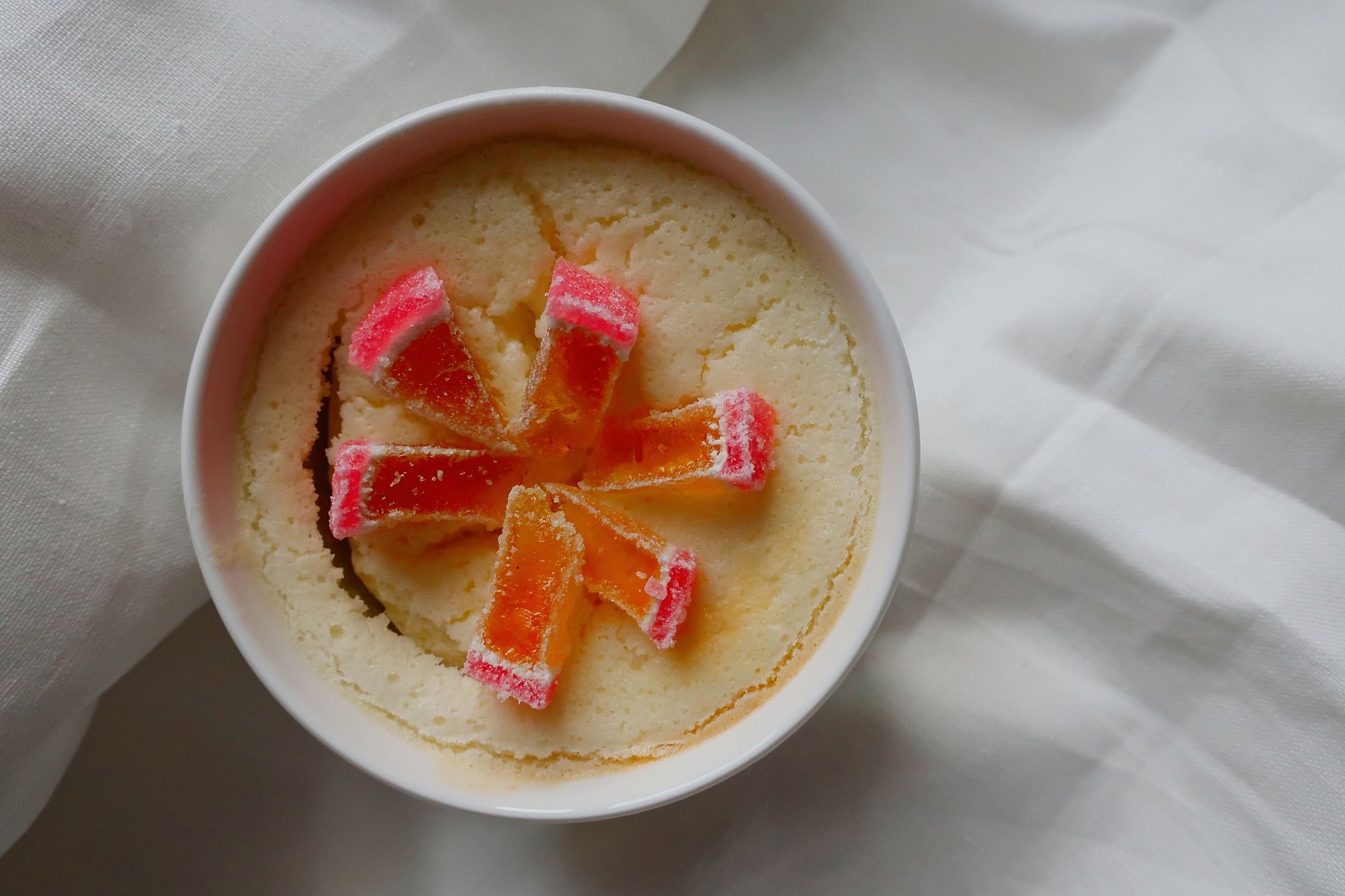
A ramekin is a small, typically ceramic or glass dish used for baking and serving individual portions of food. Often associated with custards and soufflés, ramekins come in various sizes and can be utilized for both savory and sweet dishes. Their versatility makes them a staple in many kitchens.
Beyond their functional use, ramekins can also add an elegant touch to meal presentations. Whether you are baking, serving dips, or preparing desserts, understanding the ramekin’s role can enhance your culinary experience.
What Is A Ramekin?
A ramekin is a small, round dish, usually made of ceramic, glass, or porcelain, designed for individual servings. It typically features straight sides and comes in various sizes, from a couple of ounces to larger four- or six-ounce varieties. Ramekins are heat-resistant, making them suitable for both baking and serving. Their ability to transition from oven to table seamlessly adds to their functionality.
The History of Ramekins
The term “ramekin” traces back to the French word “ramequin,” which refers to a small dish that is often baked. Historically, the ramekin gained popularity in France in the 18th century. Initially, they were used primarily for serving egg-based dishes, where their size allowed for individual portions to be baked. Over time, as culinary techniques evolved, the use of ramekins expanded to include a wide range of dishes, from sweet soufflés to savory baked casseroles.
Common Uses for Ramekins
Ramekins are incredibly versatile and can be used for a variety of culinary applications:
- Baking: Ramekins are perfect for individual servings of baked goods like soufflés, mug cakes, or custards. They allow for even cooking and easy portion control.
- Serving: Use ramekins to serve dips, sauces, or dressings. Their small size makes it easy for guests to grab individual portions without the clutter of larger dishes.
- Prep: Ramekins can be used for mise en place, organizing ingredients before cooking. This ensures a smoother preparation process.
- Food Storage: They can also be used to store small amounts of leftovers or prepped ingredients in the refrigerator.
Choosing the Right Ramekin
When selecting a ramekin, consider the following factors:
- Material: Look for heat-resistant materials such as ceramic or glass. Non-stick options are available, but traditional ceramic ramekins are generally preferred for baking due to even heat distribution.
- Size: Ramekins come in various sizes, usually ranging from 2 ounces to 8 ounces. Smaller ramekins work well for individual portions, while larger ones can accommodate more substantial servings.
- Style: Choose ramekins that fit your kitchen style. They come in various colors and designs, which can enhance your presentation.
Popular Types of Ramekins
There are several types of ramekins tailored to different culinary purposes:
- Classic Ramekins: These are the traditional ceramic or glass ramekins used for baking and serving. They generally have a smooth surface for even cooking.
- Soufflé Dishes: Often larger and with slightly flared sides, these dishes are specifically designed for baking soufflés, allowing for the desired rise.
- Oven-safe Ramekins: Some ramekins come explicitly labeled as oven-safe and are designed to withstand higher temperatures without cracking.
- Mini Casserole Dishes: These are deeper than standard ramekins and may come with lids, making them suitable for mini casseroles or single portions of baked pasta.
How to Use Ramekins in Cooking
Utilizing ramekins effectively can enhance your cooking experiences. Here are some tips on how to use them for baking and serving:
Baking in Ramekins
When baking with ramekins, follow these steps for best results:
- Preheat the Oven: Always preheat your oven to the desired temperature before placing the ramekins inside. This ensures even baking.
- Grease the Ramekins: If your recipe requires sticking, lightly grease the interior of your ramekins with butter or non-stick spray to prevent sticking.
- Fill Evenly: Pour your mixture into the ramekins, filling them about 3/4 full to allow room for rising.
- Place on a Baking Sheet: Set your ramekins on a baking sheet to provide stability and make it easier to transfer them in and out of the oven.
- Monitor Cooking Times: Cooking times vary based on the size of your ramekins and the recipe, so keep an eye on them and perform a toothpick test to check for doneness.
Serving with Ramekins
When using ramekins for serving, bear in mind the following:
- Presentation Counts: Ramekins can elevate your dish’s visual appeal. Choose ramekins that complement the color and style of your table setting.
- Temperature: Serve dishes that are still warm or hot directly from the oven for a cozy, inviting presentation.
- Pairing: Consider serving ramekins with matching utensils or small serving baskets for a complete look.
Common Mistakes When Using Ramekins
Despite their ease of use, there are a few common pitfalls to avoid when cooking or baking with ramekins:
- Overfilling: Filling ramekins too high can cause spills during baking. Always leave space for dishes to rise.
- Skipping Preheating: Neglecting to preheat the oven can lead to uneven cooking, resulting in dishes that are not fully baked.
- Poor Cooling Techniques: Remove ramekins from the oven carefully, as they can be very hot. Let them cool slightly before serving.
Cleaning and Maintaining Ramekins
Proper cleaning and maintenance can prolong the life of your ramekins. Here’s how:
- Allow to Cool: Before washing, let ramekins cool down to prevent thermal shock, which could lead to cracking.
- Hand Wash: While many ramekins are dishwasher safe, hand washing ensures thorough cleaning and helps maintain their finish.
- Avoid Abrasives: Use non-abrasive sponges and avoid steel wool, which can scratch the surface of your ramekins.
Ramekins in Popular Recipes
Several classic recipes utilize ramekins for individual servings. Exploring these can inspire your culinary adventures:
- Chocolate Soufflé: This airy dessert shines in its ramekin, retaining the right amount of heat for perfect rising.
- Crème Brûlée: A classic dessert, a ramekin provides the perfect vessel for caramelizing the top while maintaining creamy goodness.
- Baked Eggs: Ramekins are excellent for serving baked eggs layered with various ingredients like cheese, spinach, or herbs.
What to Consider About Ramekin Sizes
Choosing the right size ramekin can be crucial depending on the dish:
- 2-ounce Ramekin: Ideal for individual soufflés, custards, or tasting portions.
- 4-ounce Ramekin: Great for side dishes, individual casseroles, or desserts.
- 6-8 ounce Ramekin: Suitable for larger servings of baked pasta or mini casseroles.
Ramekins as Gifts and Table Settings
Ramekins can also make delightful gifts or serve as unique additions to your table settings:
- Themed Sets: Consider gifting a set of ramekins in various colors or patterns for personality.
- Personalized Touch: Look for options that can be customized, adding a personal touch to your gift.
- Table Decor: Use ramekins as part of centerpieces by filling them with fruits, flowers, or candles.
Storage Tips for Ramekins
When storing ramekins, keep these tips in mind for durability:
- Stacking: Most ceramic ramekins can be stacked to save space, but be cautious about potential scratching.
- Avoiding Moisture: Store in a dry place to prevent dampness that can affect the material.
- Inspections: Regularly inspect for cracks or chips, especially if stacked.
Alternatives to Ramekins
If you don’t have ramekins, several alternatives can be used in their place:
- Small Bowls: Oven-safe small bowls can work in a pinch for individual baking.
- Muffin Tins: For recipes requiring larger servings, muffin tins can be an effective substitute.
- Cups: Heat-resistant coffee cups or mugs can also be suitable for baking and serving.
Conclusion
Ramekins are versatile kitchen tools that serve various cooking and baking needs, enhancing your culinary repertoire with their practicality and aesthetic appeal. Whether you are preparing individual desserts or savory dishes, investing in a set of ramekins can elevate both your cooking and dining experiences.
Consider incorporating ramekins into your home to explore new recipes and serving methods. Check out our articles on jelly roll pans and soufflés to inspire your next culinary adventure!