
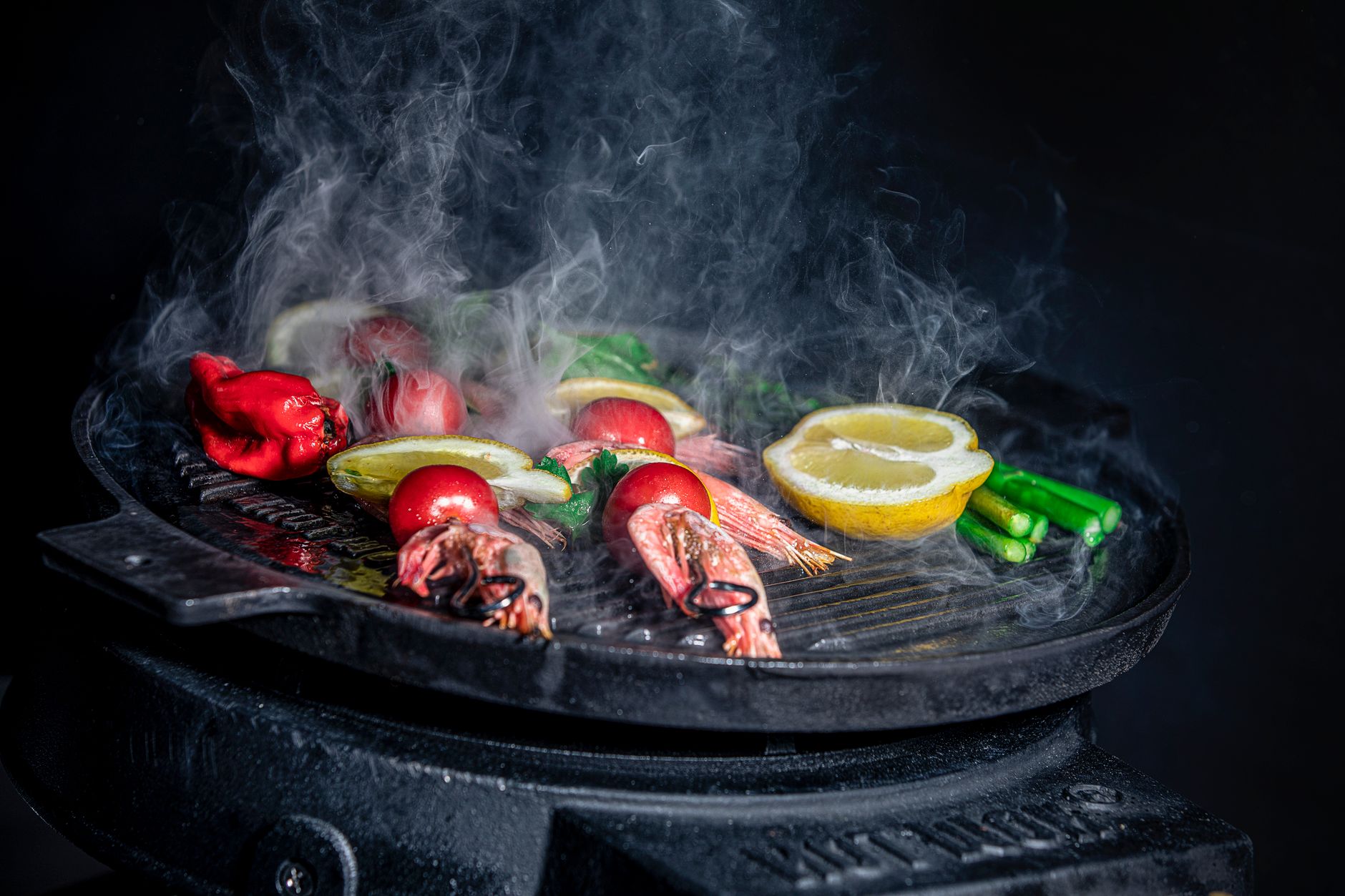
Plancha cooking is a culinary technique that originated in Spain, where it is primarily used to cook various foods on a flat metal surface. The term “plancha” translates to “iron” or “plate,” illustrating the method’s equipment preference—a hot, smooth surface ideal for searing. This cooking style produces delicious, charred flavors while retaining the moisture of ingredients.
In this article, we will explore what a plancha is, including the types of foods commonly cooked on it, its unique flavors, and how to serve dishes prepared using this technique. Whether you are a home cook or a culinary enthusiast, understanding plancha can elevate your cooking game.
What Is a Plancha?
A plancha is both a cooking appliance and a cooking technique characterized by high, direct heat applied to food placed on a smooth, flat surface. This method is prevalent in Spanish and Latin American cuisines, often found in restaurants and homes due to its simplicity and ability to preserve the natural flavors of ingredients.
The plancha can be made from various materials, including cast iron, stainless steel, or carbon steel, and is typically heated to high temperatures. The food cooks quickly, making it an efficient option for busy nights or when preparing meals for larger gatherings.
Key Characteristics of Plancha Cooking
Texture and Flavor
Plancha cooking imparts a distinct char and caramelization to foods, enhancing their flavor profiles significantly. The high heat encourages the Maillard reaction— the chemical reaction that occurs when proteins and sugars are exposed to heat—creating complex flavors and appealing textures.
Versatile Ingredients
Almost any ingredient can be cooked on a plancha, from proteins to vegetables and even fruits. Some common options include:
- Meats: Chicken, beef, pork, and seafood.
- Vegetables: Peppers, onions, zucchini, and asparagus.
- Fruits: Pineapple, peaches, and figs.
Cooking Speed
Because of the high heat and direct contact with the cooking surface, foods often cook faster than in traditional methods, such as roasting or simmering. This time efficiency makes plancha a popular choice for quick weeknight dinners.
How to Use a Plancha
Using a plancha can be straightforward, but there are key steps and techniques to ensure optimal results. Here’s a guide to help you get started.
Essential Equipment
- Plancha Surface: Choose a cast iron or stainless steel plancha that suits your stovetop or grill. Ensure it’s well-seasoned for non-stick cooking.
- Heat Source: A gas or electric stovetop, or an outdoor grill that provides high and direct heat.
- Spatula: A wide, flat spatula for flipping and serving.
- Cooking Oil: Select a high smoke point oil (like canola or grape seed) to prevent sticking and enhance the searing process.
Preparation Steps
- Preheat the Plancha: Heat your plancha over medium-high heat until thoroughly warmed. You can test if it’s hot enough by sprinkling a few drops of water on the surface; they should sizzle and evaporate quickly.
- Add Oil: Lightly coat the surface with cooking oil to prevent sticking. You don’t need much, just enough to create a thin layer.
- Cooking the Ingredients: Place your ingredients on the hot surface, ensuring they have enough space. This prevents steaming and promotes even cooking.
- Monitor Cooking: Flip or stir the ingredients when you see a nice golden-brown crust forming. Cooking times will vary: thin proteins may take only a few minutes, while denser vegetables might need longer.
- Check for Doneness: Use a meat thermometer for proteins; for vegetables, you should aim for tender yet firm texture.
- Remove and Rest: Once cooked, remove ingredients from the plancha and let them rest briefly before serving to help retain moisture.
Common Mistakes and Troubleshooting
While cooking on a plancha can be simple, there are pitfalls to avoid to ensure success.
Common Mistakes
- Not Preheating Properly: Failing to preheat may result in uneven cooking or sticking. Always wait until the plancha is thoroughly heated.
- Overcrowding the Surface: Placing too many ingredients on the plancha at once can create steam instead of allowing for that desired grill flavor. Cook in batches when necessary.
- Neglecting to Use Oil: Not using enough oil can lead to sticking or uneven cooking. A light coating is usually sufficient.
Troubleshooting Tips
- Food Sticking: If food sticks, ensure you’re using enough oil and verify the surface is adequately heated. Consider reseasoning the plancha.
- Uneven Cooking: If some areas are hotter than others, you might need to adjust how heat is distributed. Rotate the plancha or move ingredients around as needed.
Flavor Profiles and Seasoning
The unique flavors produced by plancha cooking come from the high heat and the reactions that occur on the cooking surface. However, seasoning plays a significant role in accentuating these flavors.
Marinades and Dry Rubs
Using marinades or dry rubs enhances the taste of ingredients significantly. Here are some ideal options:
- Citrus Marinade: Combining lemon or lime juice with olive oil, garlic, and herbs adds brightness to proteins like chicken or fish.
- Spicy Rub: A blend of paprika, cumin, chili powder, and salt offers a smoky kick to vegetables or meats.
- Garlic and Rosemary: A simple mix with fresh herbs can enhance the flavors of meats or robust vegetables.
Finishing Touches
After cooking, consider adding some finishing touches such as:
- Fresh Herbs: Chopped parsley or cilantro can provide a burst of freshness.
- Zest: Grating lemon or lime zest over dishes adds aroma and brightness.
- Drizzles: A light drizzle of balsamic reduction or good-quality olive oil can elevate the final dish.
Serving Suggestions
Plancha-cooked foods can be served in various ways, whether as a main dish, side, or appetizer. Here are some creative approaches:
Meal Compositions
- Taco Night: Serve plancha-grilled meats and vegetables in taco shells with toppings like salsa, guacamole, and fresh cilantro.
- Grilled Platter: Create a beautiful platter combining various meats and vegetables along with sauces for dipping, perfect for gatherings.
- Salads: Top mixed greens with plancha-grilled proteins or vegetables, and drizzle with a vinaigrette for a refreshing meal.
Temperature Considerations
Plancha cooking is often meant to be enjoyed right away, highlighting the freshly cooked flavors. However, you can also serve it at room temperature for salads or tapas-style appetizers. For meals served hot, consider maintaining a warming drawer or microwave to gently reheat before serving.
Plancha Variations
While traditional plancha cooking is commonly associated with Spanish and Latin cuisines, similar techniques are used worldwide in various forms. Understanding these can enhance your culinary repertoire.
Japanese Teppanyaki
Teppanyaki, similar to plancha, uses a flat top griddle to cook ingredients rapidly. It is a staple in Japanese cuisine, often featuring vegetables, seafood, and grilled meats, served with soy sauce and wasabi.
Hibachi Grilling
Unlike the plancha’s smoother surface, hibachi involves an open flame and a griddled top, creating a smoky flavor with more intense charring. This method is typically served in a communal style, often accompanied by rice and salads.
French Plancha
In contemporary French cuisine, plancha cooking highlights seasonal ingredients with simple preparations. French chefs might use a range of spices, herbs, and sauces to enhance each dish while maintaining a focus on quality ingredients.
Storage and Leftover Advice
Leftovers from plancha cooking can be great for meal prep or quick lunches. Follow these guidelines to store and reheat properly.
Storage Methods
- Refrigeration: Store leftovers in an airtight container in the refrigerator for up to three days.
- Freezing: While freezing isn’t ideal for all cooked vegetables, proteins typically freeze well. Place in freezer-safe containers for up to three months.
Reheating Guidelines
Reheat leftovers on a low heat setting on the plancha or stovetop to warm through. Avoid high heat, as it can dry out the food. Alternatively, you can use a microwave with a cover to retain moisture.
Conclusion
Plancha cooking offers a wonderful way to prepare a variety of ingredients with bold flavors and satisfying textures. Its versatility allows for creative meal preparations that are quick and enjoyable. By mastering this technique, you can bring a taste of the Spanish grill to your kitchen and impress family and friends.
For further exploration into related culinary topics, consider looking into how to substitute vanilla extract, or learn more about the delicate art of soufflés.