
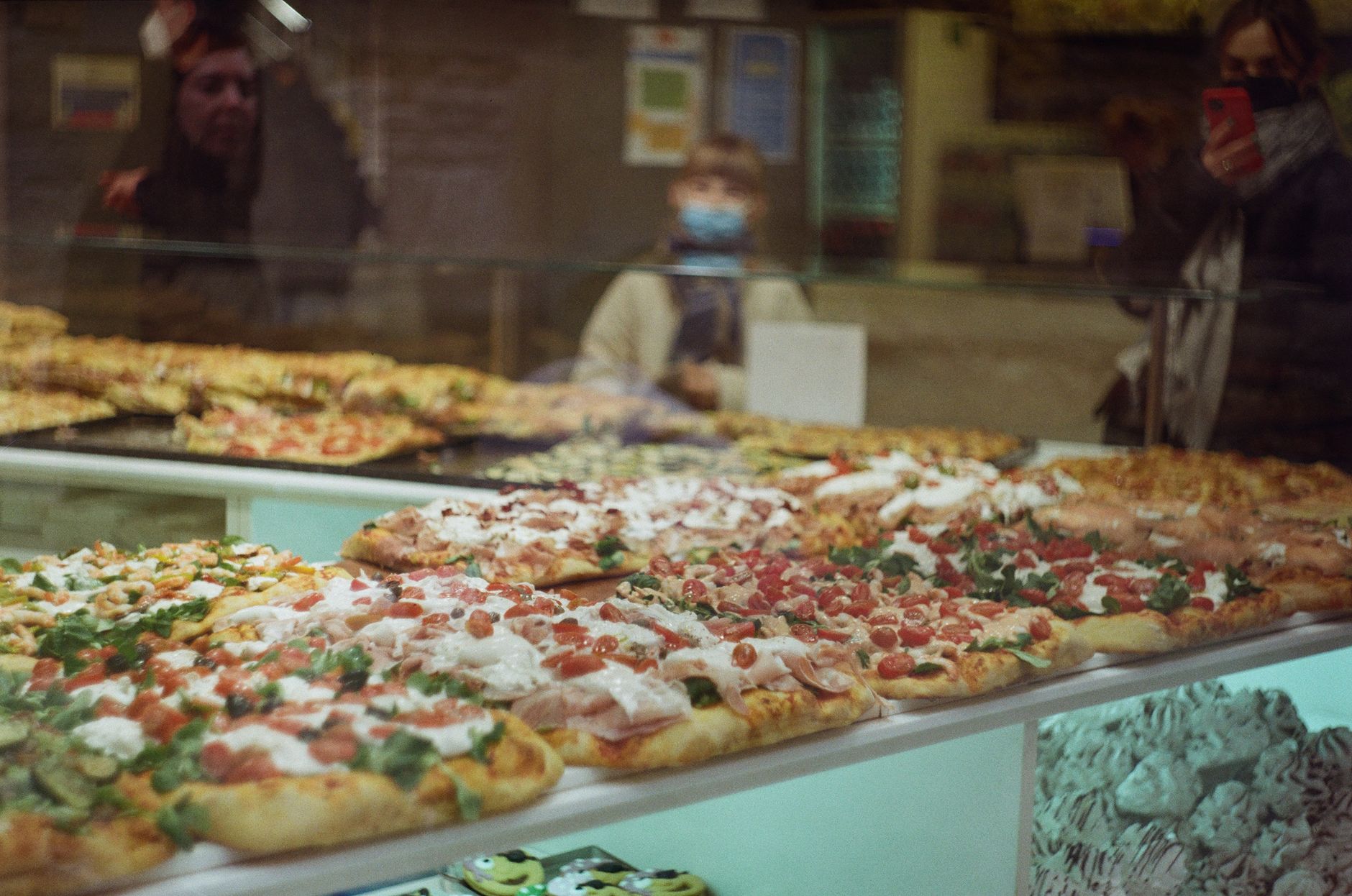
A pizzeria is a specialized restaurant focused on serving various types of pizzas, characterized by its unique menu, cooking methods, and vibrant atmosphere. The defining feature of a pizzeria is its dedication to crafting delicious, customizable pizzas using fresh ingredients.
In this article, we will explore what makes a pizzeria unique, the essential ingredients used in pizzas, the diverse flavors that can be created, and the best ways to serve this beloved dish to ensure an enjoyable dining experience.
What Is a Pizzeria?
A pizzeria is more than just a place that sells pizza; it is a culinary haven where pizza is prepared, baked, and served. These establishments can vary widely in style and concept, ranging from artisanal pizzerias that focus on high-quality ingredients and traditional cooking methods to quick-service pizzerias that offer fast, casual dining. Either way, the primary goal is to create delicious pizzas that satisfy a variety of tastes.
Key Ingredients in Pizza
The quality and variety of ingredients used in a pizzeria are essential to the final product. Here’s what goes into making exceptional pizza:
- Dough: The foundation of any great pizza, dough is made primarily from flour, water, salt, and yeast. A good pizza dough is essential for creating a superior crust that is crispy on the outside yet chewy on the inside.
- Tomato Sauce: This is often a simple blend of pureed tomatoes, possibly with added herbs like basil and oregano. A flavorful tomato sauce enhances the pizza’s overall taste.
- Cheese: The most popular cheese for pizza is mozzarella, but many pizzerias also use provolone, parmesan, or blends. Cheese adds creaminess and flavor, helping to bind the toppings together.
- Toppings: This is where creativity shines. Common toppings include pepperoni, mushrooms, bell peppers, onions, olives, meats, and various herbs. Pizzerias often offer a wide selection, allowing customers to customize their pies.
- Seasonings and Herbs: Basil, oregano, garlic, and red pepper flakes are frequently used to enhance flavors and add complexity to the pizza.
- Oils and Finishings: Olive oil drizzled on top before or after baking can add richness, while balsamic reduction or fresh arugula can offer a unique twist.
Exploring Pizza Varieties
Within pizzerias, a variety of pizza styles can be found, reflecting regional ingredients and preferences. Some of the most notable varieties include:
Neapolitan Pizza
This classic style originates from Naples, Italy. It features a thin, soft crust made from high-gluten flour, San Marzano tomatoes, fresh mozzarella, fresh basil, and a drizzle of olive oil. Authentic Neapolitan pizza is cooked in a wood-fired oven, resulting in a charred yet pliable crust.
New York-Style Pizza
Characterized by its large, foldable slices and crispy yet chewy crust, New York-style pizza has a tomato sauce base topped with mozzarella cheese and various toppings. It is often sold by the slice and is commonly found in pizzerias in New York City.
Chicago Deep-Dish Pizza
Chicago-style deep-dish pizza has a thick, buttery crust that is baked in a deep pan. It features layers of cheese, toppings, and hearty tomato sauce poured on top. This pizza is often more similar to a savory pie than traditional pizza.
Sicilian Pizza
Sicilian pizza is rectangular and has a thick, airy crust. It is typically topped with tomato sauce, onions, anchovies, and herbs. The baking method often involves a pan, contributing to its unique texture.
Californian Pizza
Offering a focus on fresh, local ingredients, Californian pizza features a thin crust with unconventional toppings such as artichokes, goat cheese, and various vegetables. It often embodies a more avant-garde approach to pizza-making.
Flavor Profiles and Pairings
Pizzerias pride themselves on creating a range of flavors to cater to diverse palates. Each component contributes to the overall harmony of flavors:
Balancing Sweet and Savory
Some pizzas successfully employ a balance of sweet and savory flavors. For example, a pizza topped with figs and prosciutto offers an excellent contrast in tastes. Similarly, using sweet sauces or honey can elevate pizzas with savory toppings.
Herb and Spice Combinations
Using fresh herbs and spices can transform a standard pizza into a memorable dish. Basil and oregano are classics, but adding fresh parsley, arugula, or spicy chilies can provide an exciting twist.
Deciding on Sauce Variations
While tomato sauce is a staple, some pizzerias offer alternatives such as pesto, white sauce, or barbecue sauce. These variations can dramatically alter the flavor profile and appeal to those looking for something different.
How to Serve Pizza
Serving pizza involves more than just placing it on the table. Here are some practical ways to ensure a delightful dining experience:
Presentation
A well-presented pizza not only looks inviting but also enhances the dining experience. Serve pizzas on wooden or marble boards for a rustic feel, or slice them into even portions to make sharing easy.
Optimal Pairings
Pizza is often complemented by beverages. Classic pairings include:
- Wines: Chianti, Sangiovese, or a crisp white like Pinot Grigio.
- Craft Beers: Light lagers, IPAs, or a wheat beer with citrus notes can enhance the flavors of pizza.
- Soft Drinks: Cola or lemon-lime sodas provide a refreshing contrast to the richness of pizza.
- Salads: A light salad served alongside pizza can balance the meal and add freshness.
Garnishing
Before serving, consider adding fresh ingredients like arugula, basil leaves, or a sprinkle of Parmesan cheese for an appealing finish. Drizzling quality olive oil or balsamic reduction can also enhance the appearance and flavor.
Creating a Pizza Menu
When developing a pizza menu for a pizzeria, several factors come into play:
Diversity of Offerings
A successful menu should cater to various tastes, including vegetarian, vegan, and gluten-free options. Offering seasonal specials can keep the menu fresh and interesting.
Ingredient Quality
Investing in high-quality ingredients can set a pizzeria apart. Sourcing local and organic produce, artisanal cheeses, and authentic Italian products can enhance flavor and customer satisfaction.
Price Points
Determining price points based on ingredient costs, labor, and competition is essential. Offering value through combo deals or family-sized offerings can attract more customers.
Challenges Faced by Pizzerias
Running a pizzeria comes with its own set of challenges that owners must navigate:
Ingredient Supply Chain
Maintaining a consistent supply of high-quality ingredients is crucial. Pizzerias may face challenges sourcing certain ingredients, especially during off-seasons or due to supply chain disruptions.
Labor Costs
Finding skilled labor to maintain the quality of pizza-making can be a challenge. A well-trained staff is essential for preserving the authenticity and flavor of the pizzas offered.
Competition
Pizzerias face stiff competition from other pizza establishments and eateries. Creating unique offerings, effective marketing, and excellent customer service can help attract and retain customers.
Common Mistakes When Baking Pizza
Whether you are trying to recreate pizzeria magic at home or simply learning how to make pizza, here are some common mistakes and how to address them:
Improper Dough Handling
Over-kneading or under-kneading dough can lead to an undesirable texture. Aim for a smooth, elastic dough that is soft but not sticky.
Inadequate Preheating
Not preheating your oven sufficiently can lead to a soggy crust. Ensure your oven is hot enough (usually around 475°F to 500°F) before placing your pizza inside.
Too Much Topping
While toppings are essential, overloading a pizza can result in a soggy base. Aim for a balance by using a reasonable quantity of toppings that complements the crust and sauce.
Making Pizza at Home
If you’re inspired to bring the pizzeria experience into your home kitchen, consider these essential steps:
Choose the Right Equipment
Investing in quality pizza-making tools can elevate your homemade pizza:
- Pizza Stone: Used for even heat distribution and a well-cooked crust.
- Pizza Peel: A long-handled tool that helps transfer the pizza in and out of the oven.
- Stand Mixer: For easily mixing and kneading dough, though it is possible to mix by hand.
- Oven Thermometer: Ensures you maintain the correct baking temperature.
Recipe for Pizza Dough
Here’s a basic recipe for pizza dough that you can customize to your liking:
Ingredients:
- 2 ½ cups all-purpose flour
- 1 teaspoon salt
- 1 packet (2 ¼ teaspoons) active dry yeast
- 1 teaspoon sugar
- 1 cup warm water
- 1 tablespoon olive oil
Method:
- In a bowl, combine warm water, yeast, and sugar. Allow it to sit for 5-10 minutes until it froths.
- Mix flour and salt in a large bowl. Make a well in the center, adding the yeast mixture and olive oil.
- Knead the dough on a floured surface for about 8-10 minutes until smooth and elastic.
- Place the dough in an oiled bowl, cover it with a cloth, and let it rise in a warm area for about 1-2 hours, or until doubled in size.
- Once risen, punch it down and roll it out to your desired thickness for your pizza.
Storing and Reheating Pizza
If you have leftover pizza, storing and reheating it properly can maintain its quality:
Storage
Store leftover pizza in an airtight container in the refrigerator. Pizza is best consumed within 3-4 days for optimal flavor and texture.
Reheating
To reheat pizza effectively:
- Oven: Preheat to 375°F and bake for 10-15 minutes until heated through.
- Skillet: Heat in a skillet over medium heat with a lid to keep the moisture in, reheating for about 5-8 minutes.
- Microwave: Use with caution; this can lead to a soggy crust. Place a cup of water in the microwave while heating for moisture or use a microwave crisper.
Exploring the world of pizzerias is a delightful journey filled with flavor, creativity, and culture. With a rich variety of ingredients and styles, each pizzeria offers a unique spin on this cherished dish. Understanding the components that contribute to a great pizza will enhance both your appreciation and enjoyment of it, whether dining out or making your own.
Consider trying out the King Arthur Pizza Dough Recipe or the classic Pizza Rustica Recipe to elevate your pizza night. Explore more recipes, cooking tips, or food guides for further culinary delights.