
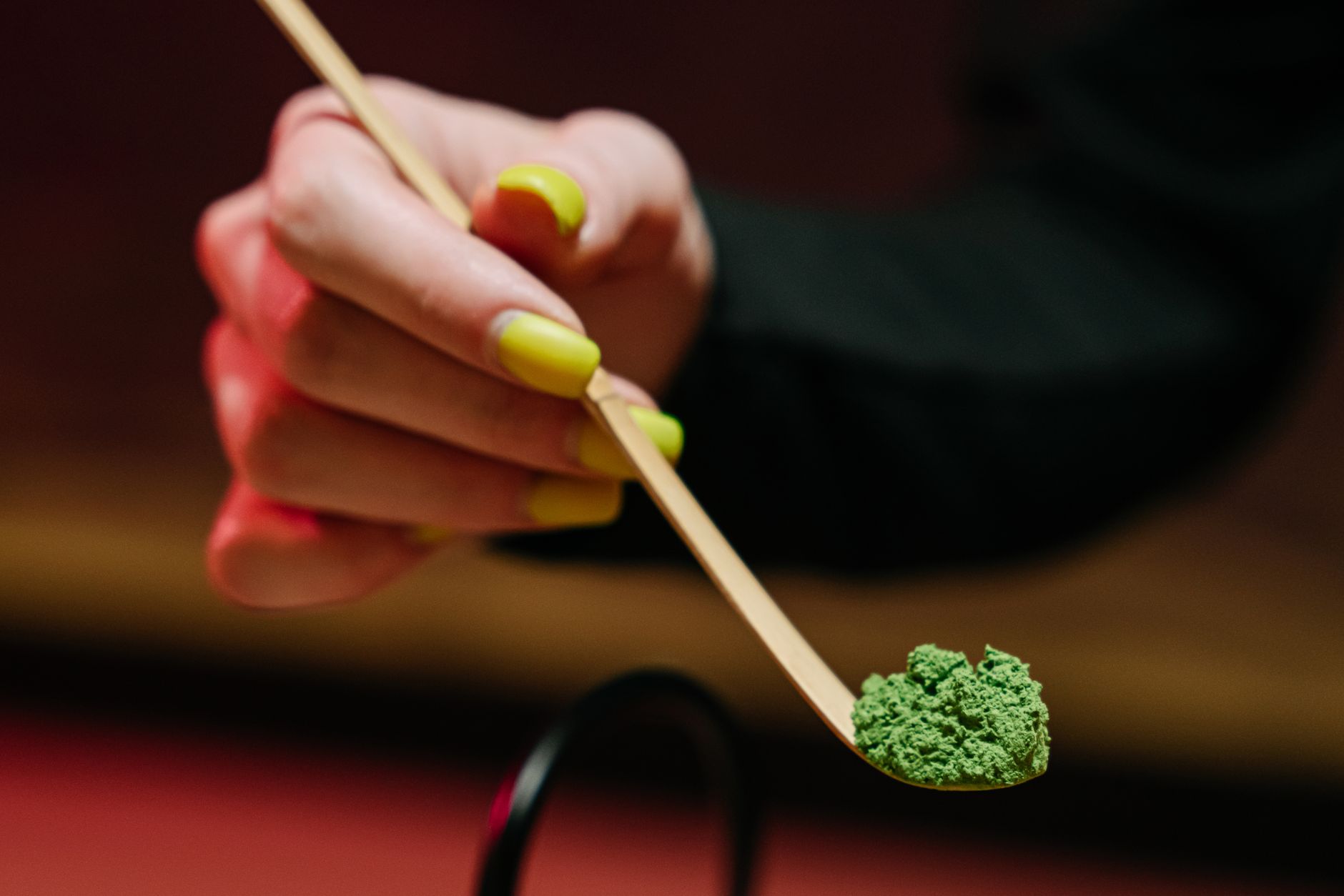
Matcha is a finely powdered green tea that has gained immense popularity in recent years due to its vibrant color, unique flavor, and health benefits. Originating from Japan, matcha is made from shade-grown tea leaves, which are meticulously processed to create the distinct form we enjoy today. This article delves into what matcha is, its ingredients, flavor profile, and various ways to serve this versatile ingredient.
Matcha’s unique qualities make it a delightful addition to various recipes, from beverages to desserts. By understanding its composition and how to prepare it properly, you can incorporate matcha into your culinary repertoire, creating flavorful treats that are both enjoyable and visually stunning.
What Is Matcha?
Matcha is a powdered form of green tea made from specially cultivated tea leaves. Unlike traditional green tea, where the leaves are steeped and then discarded, matcha involves consuming the entire leaf in powdered form. This method offers a more intense flavor and higher concentration of beneficial compounds.
Ingredients and Preparation of Matcha
The main ingredient in matcha is the leaves of the Camellia sinensis plant. Specifically, matcha uses younger leaves, which are harvested in the spring and are often shielded from direct sunlight to increase chlorophyll levels and enhance the flavor. This process results in a sweeter and more vibrant tea.
Types of Matcha
There are various grades of matcha, primarily categorized as ceremonial-grade and culinary-grade. Ceremonial-grade matcha is of the highest quality and is used in traditional tea ceremonies, characterized by its bright green color and delicate flavor. Culinary-grade matcha is often used in cooking and baking, as it is more robust and affordable.
How to Prepare Matcha
- Gather your equipment: You will need matcha powder, a bowl, a whisk (preferably a bamboo whisk called a chasen), hot water (around 175°F or 80°C), and a scoop or spoon for the matcha.
- Measure the matcha: Use 1 to 2 teaspoons (about 2 grams) of matcha powder for each serving.
- Heat the water: Boil water and then let it cool slightly to the desired temperature.
- Combine water and matcha: Add the hot water to the matcha powder in a bowl.
- Whisk: Use the chasen to whisk the matcha vigorously in a zigzag motion until frothy. This should take about 15-30 seconds.
- Serve immediately: Enjoy your prepared matcha plain, or add milk or sweeteners as desired.
Flavor Profile of Matcha
Matcha has a complex flavor profile that combines earthy, vegetal notes with a subtle sweetness. The shading of the tea plants enhances the umami flavor that many enthusiasts appreciate. When prepared correctly, matcha can have a creamy texture with a smooth finish. Additionally, higher-quality matcha will have a brighter green color, indicating its freshness and taste quality.
What Affects Matcha’s Flavor?
Several factors can influence the flavor of matcha, including the grade of the tea, the region in which it was grown, and the specific cultivation and processing methods used. Ceremonial-grade matcha, for instance, tends to have a more delicate flavor compared to culinary-grade matcha, which is often more bitter and robust.
Ways to Serve Matcha
Matcha is a versatile ingredient that can be enjoyed in many forms. Here are some popular ways to serve matcha:
1. Matcha Tea
The simplest way to enjoy matcha is as a hot or iced tea. Prepare it as described earlier, adjusting the water temperature and amount to suit your taste preference.
2. Matcha Latte
A matcha latte is a creamy alternative to traditional tea. To prepare a matcha latte, whisk matcha powder with hot water as above, then add steamed milk (dairy or non-dairy) to create a rich beverage.
3. Smoothies
Add matcha to your morning smoothies for a nutritional boost. Blend matcha powder with your choice of fruits, yogurt, and a liquid base like almond milk or coconut water for a refreshing drink.
4. Baking and Cooking
Incorporate matcha into various baked goods for a unique flavor and color. It can be added to cakes, cookies, and muffins. Remember that culinary-grade matcha works best for baking due to its stronger flavor.
5. Desserts
Matcha is commonly used in desserts, including ice cream, pastries, and puddings. It can impart a beautiful color and distinctive taste that pairs wonderfully with sweet ingredients.
6. Matcha Chia Pudding
A popular health trend, matcha chia pudding combines the beneficial properties of chia seeds with the flavor of matcha. Mix matcha powder with almond milk, chia seeds, and sweetener of choice, and let it sit in the refrigerator until it thickens.
7. Matcha Cocktails
For those who enjoy mixology, matcha can be a surprising ingredient in cocktails. Combine matcha with spirits such as gin or vodka, citrus juices, and sweeteners for a unique beverage experience.
Practical Tips for Using Matcha
To ensure the best flavor and results when using matcha, consider these helpful tips:
- Storage: Keep matcha powder in an airtight container in a cool, dark place to maintain its freshness. Exposure to light and air can degrade its quality.
- Water Temperature: Avoid using boiling water. Using water that is too hot can result in a bitter taste. Aim for around 175°F (80°C).
- Whisking Technique: Use a proper whisking technique to create a frothy texture. A traditional bamboo whisk helps achieve this texture more effectively than a regular whisk.
- Balance it Out: If the taste of matcha is too strong or bitter for your liking, consider adding sweeteners like honey, agave syrup, or sugar, or blending it into smoothies with other ingredients.
Common Mistakes to Avoid with Matcha
When working with matcha, several common pitfalls can diminish your experience. Here are some mistakes to watch out for:
- Using Bad Quality Matcha: Cheap or low-quality matcha can taste stale or overly bitter. Invest in good-quality matcha to enjoy its full flavor.
- Improper Measurements: Not measuring the matcha and water accurately can lead to an undesirable taste. Using too much matcha can make the drink overly bitter.
- Over-Whisking: While whisking is important, overdoing it can lead to a frothy mess. Aim for a smooth texture rather than excessive foam.
Regularly Enjoying Matcha
Incorporating matcha into your daily routine can be rewarding, not just for its flavor but also for its potential health benefits. While these benefits are not guaranteed, many enjoy matcha as part of a balanced lifestyle. Its high antioxidant content and calming effects, attributed to L-theanine, make it a popular choice for a mid-day pick-me-up.
Final Thoughts on Matcha
In summary, matcha is a unique and adaptable ingredient that can enhance your culinary creations. From its rich flavor profile to its vibrant color, matcha brings an artistic element to food and drinks. Whether enjoyed as a simple cup of tea or used in baking, understanding its qualities and techniques can open the door to exciting flavor combinations and presentations.
Explore the vibrant world of matcha further by trying your hand at delicious recipes such as matcha tiramisu or a refreshing strawberry matcha drink to add variety to your matcha experience.