
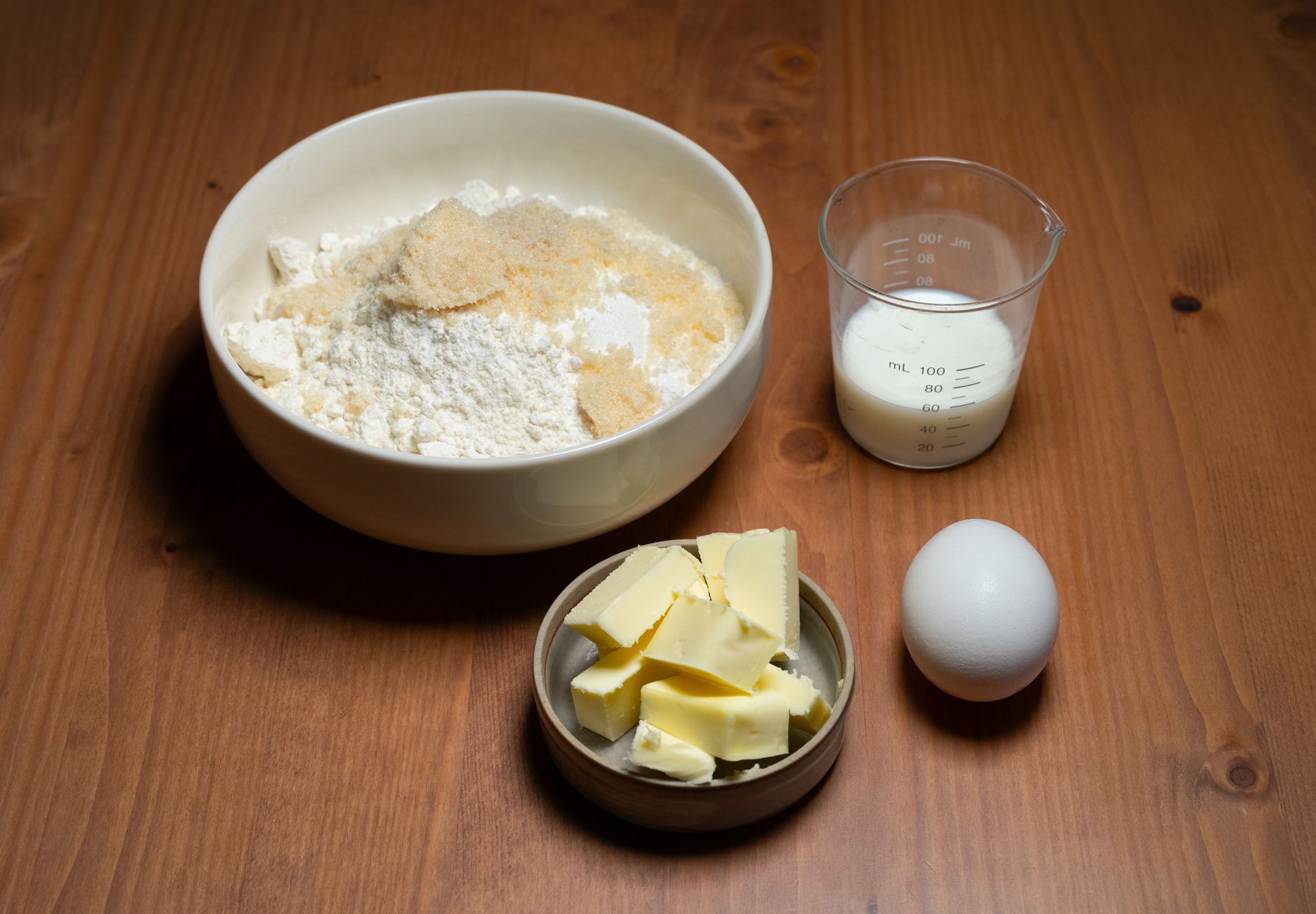
Understanding measurements in cooking is essential for achieving the best flavor and texture in your dishes. One common measurement is a half cup of butter. This seemingly straightforward amount can greatly influence the outcome of your favorite recipes, especially in baking, where precision is key.
In this article, we will explore what a half cup of butter equates to, its culinary uses, how to measure it accurately, substitutions you can make, and tips for incorporating it into your cooking repertoire. You’ll also gain insight into why butter is such a beloved ingredient in the culinary world.
What Is a Half Cup of Butter?
A half cup of butter is a standard measurement used in cooking, particularly in baking. In terms of weight, a half cup of butter typically weighs approximately 113 grams or 4 ounces. This measurement is crucial for both flavor and texture in recipes, as butter adds moisture, richness, and the ability to create a tender crumb in baked goods.
When measuring butter, it’s important to note that it can come in various forms—sticks, blocks, or even melted. Each method of measurement can yield slightly different results if not done correctly.
Why Use Butter in Cooking?
Butter is a versatile ingredient in cooking and baking for several reasons. Its unique flavor adds depth to dishes, while its fat content contributes to a desirable mouthfeel. Here are a few key reasons butter is widely used:
- Flavor: The natural fats in butter offer a rich, creamy taste that enhances both sweet and savory dishes.
- Texture: Butter provides moisture and contributes to flakiness in pastries, tenderness in cakes, and creaminess in sauces.
- Emulsification: Butter helps to stabilize emulsions in sauces and dressings, allowing for a smooth texture.
How to Measure a Half Cup of Butter
Accurate measurement of butter is essential for consistent results in your cooking and baking. Here are three common methods to measure a half cup of butter:
1. Sticks of Butter
Most butter sold in the United States comes in sticks, which are typically marked with measurements. A standard stick of butter equals 1/2 cup, making it easy to use. Simply cut one stick from the package, and you have your half cup.
2. Block Butter
If using block butter, you’ll need to cut it appropriately. Since a half cup of butter is 4 ounces, cut a quarter of a pound (1/4 pound) from the block, or measure using a digital scale for precision.
3. Softened or Melted Butter
If a recipe calls for softened or melted butter, you still want to measure it in a measuring cup. For melted butter, pour it into a liquid measuring cup until it reaches the half-cup line, and for softened butter, scoop into the measuring cup and pack it down before leveling off the top with a knife.
Culinary Uses of Half a Cup of Butter
A half cup of butter can be used in a variety of recipes, making it an essential ingredient in many kitchens. Here are some popular uses:
Baking
Butter is a key ingredient in many baked goods, such as:
- Cakes: The moisture and fat from butter help create a tender crumb in cakes.
- Cookies: Butter contributes to both flavor and texture, producing chewy or crispy cookies depending on how it’s used.
- Pastries: High-fat butter is essential for flaky pastries like croissants and puff pastry.
Cooking
Butter is often used in cooking to add flavor and richness to sauces, sautés, and other dishes. Examples include:
- Sauteed Vegetables: Sautéing vegetables in butter enhances their flavor and provides a rich coating.
- Pastas & Risottos: Butter is often stirred in at the end for a glossy finish and rich flavor.
- Soups & Sauces: Butter can deepen the flavors in soups and create a luxurious mouthfeel in sauces.
Substituting for Butter
In situations where you may want to replace butter, whether for dietary preferences or ingredient availability, there are several options to consider. However, be aware that each alternative may alter the flavor and texture of your final dish. Here are some common substitutions:
1. Margarine
Margarine can be used in a one-to-one ratio in place of butter. However, the texture and taste may differ slightly as margarine often contains water, leading to a less rich flavor.
2. Shortening
When substituting shortening for butter, use about 1/2 to 3/4 of the amount since shortening is 100% fat compared to butter, which contains about 80% fat. This may not yield the same flavor but can achieve a similar texture.
3. Coconut Oil
Coconut oil is an excellent alternative, providing a unique flavor profile. Use it in a one-to-one ratio, but keep in mind it can make baked goods denser due to its solid state.
4. Applesauce or Other Fruit Purees
For a healthier alternative in baking, using unsweetened applesauce can replace butter at a 1:1 ratio. This substitution works best in moist baked goods and will add some sweetness and moisture, but the result will not have the same richness.
Common Mistakes with Butter Measurements
Measuring butter may seem simple, but there are pitfalls to avoid to ensure your recipes turn out correctly:
- Not accounting for temperature: Butter should be at the right temperature depending on the recipe—softened, cold, or melted.
- Using liquid measurements for solid butter: Solid butter should not be measured in a liquid measuring cup if it is in stick form.
- Not leveling off: When measuring with a dry measuring cup, make sure to fill the cup and then level it off for accuracy.
Tips for Working with Butter
Here are some useful tips to make working with butter easier:
- Rest your butter at room temperature before using it if a recipe calls for softened butter, to ensure proper incorporation into your batter or dough.
- Use a warm knife to cut cold butter easily, or grate it for quick incorporation into doughs.
- When using melted butter in baked goods, allow it to cool slightly before mixing with eggs to prevent them from scrambling.
Food Storage for Butter
Proper food storage is essential for maintaining the quality of butter:
- Refrigeration: Store butter in the refrigerator for up to three months. Keep it in its original packaging or an airtight container to prevent it from absorbing odors.
- Freezing: Butter can be frozen for up to six months. Wrap it in plastic wrap and aluminum foil or place it in a freezer-safe container.
Conclusion
A half cup of butter is a fundamental ingredient that can significantly impact your recipes. Whether you’re baking cookies, sautéing vegetables, or creating rich sauces, understanding how to measure and use butter correctly can elevate your cooking. With various substitutions available and tips to work with this delicious ingredient, you’ll be well on your way to mastering an essential aspect of culinary arts.
If you’re interested in exploring more culinary topics, check out our guide on clarified butter or learn how to make butter swim biscuits. Happy cooking!