
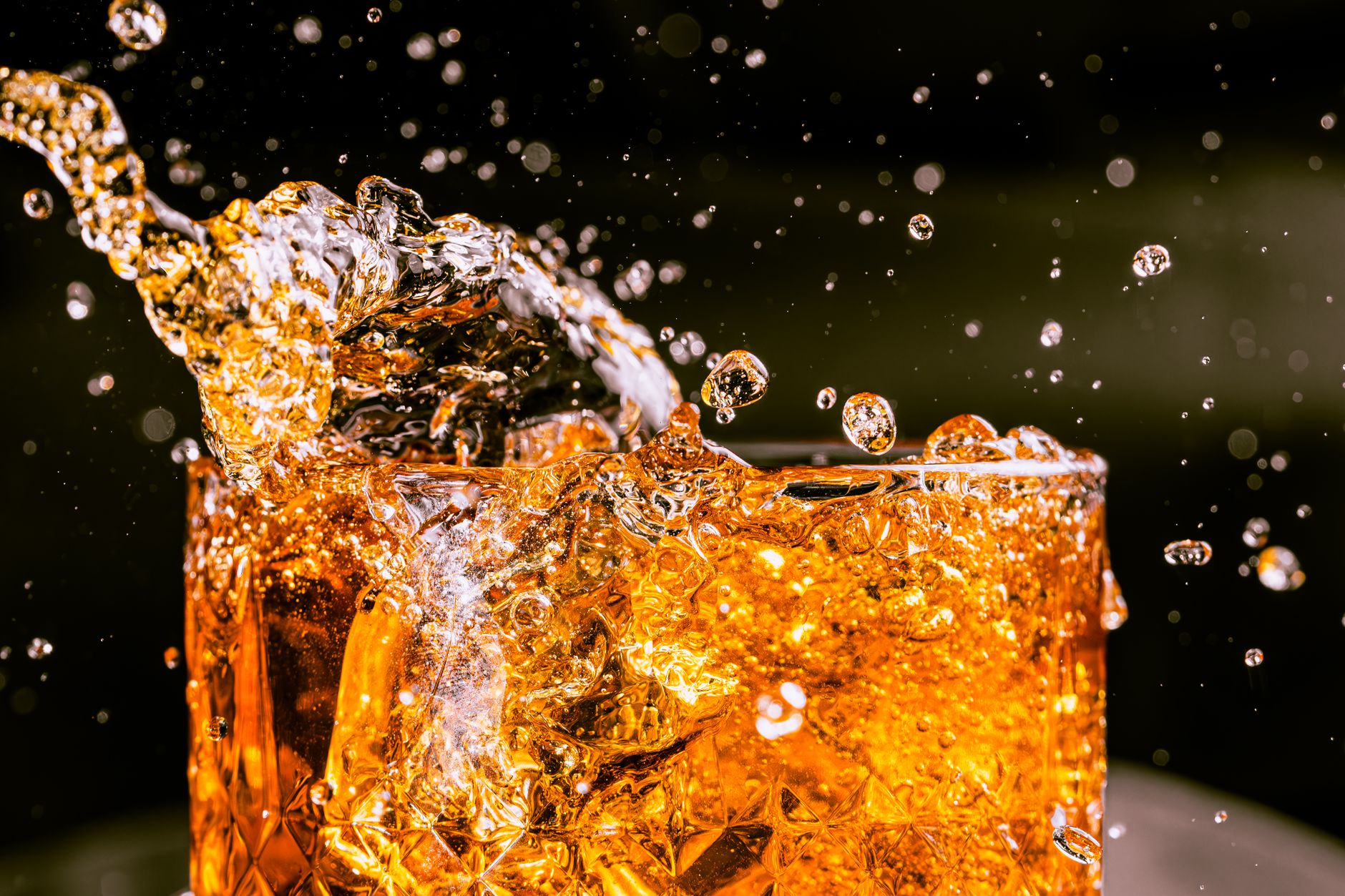
Whiskey is a complex and beloved spirit that has gained prominence in many culinary applications beyond simply being a drink enjoyed neat or on the rocks. Understanding what constitutes a good whiskey involves exploring its ingredients, flavor profiles, and culinary uses. This guide will delve into these aspects to help you appreciate whiskey in both its traditional and innovative contexts.
In this article, we will explore what makes a whiskey good and how it can enhance various culinary creations. We will cover its key ingredients, the range of flavors and textures you might encounter, and practical culinary applications. Whether you’re a whiskey connoisseur or a newcomer, this exploration can enrich your knowledge and enjoyment of this remarkable spirit.
What Is a Good Whiskey?
A good whiskey typically features high-quality ingredients, a thoughtful production process, and a balanced flavor profile. Key factors that contribute to its quality include the type of grains used, the distillation method, the aging process in barrels, and regional influences. A good whiskey should have complexity, depth, and a smooth finish that leaves you wanting more.
Understanding Whiskey Ingredients
Whiskey is produced from three primary ingredients: water, grains, and yeast. Each component plays a crucial role in shaping the final product’s flavor and character.
Water
The water used in whiskey production must be pure and free from contaminants. It can come from various sources, including rivers, springs, and wells, and the mineral content can affect the flavor. Distilleries often use water from local sources to create a distinct terroir, influencing the whiskey’s profile.
Grains
Grains are the heart of whiskey production, and the choice of grain determines the whiskey’s style. Common cereals used include:
- Barley: Frequently used in malt whiskeys and contributes a rich, nutty flavor.
- Corn: A primary grain in bourbon, giving it sweetness and a smooth mouthfeel.
- Rye: Adds spiciness and complexity, often found in rye whiskey.
- Wheat: Adds a soft, mellow flavor, commonly used in some bourbons.
Different combinations of these grains can yield various whiskey styles, each with its own characteristics.
Yeast
Yeast is essential for fermentation and converting sugars from the grains into alcohol. Different strains of yeast can impart unique flavors, which might not be immediately evident but contribute to the whiskey’s overall complexity.
The Whiskey-Making Process
Whiskey production involves several key steps: mashing, fermentation, distillation, aging, and bottling. Understanding this process will help you appreciate the craftsmanship behind a good whiskey.
Mashing
In this step, the grains are ground and mixed with hot water to create a mash. This process breaks down the starches in the grains into fermentable sugars. The mash is typically heated to specific temperatures to optimize sugar extraction.
Fermentation
The mash is cooled and transferred to fermentation vessels, where yeast is added. During fermentation, the yeast consumes the sugars, producing alcohol and carbon dioxide. This stage lasts several days and results in a high-alcohol wash.
Distillation
The wash is then distilled to separate alcohol from water and other components. Most whiskey is distilled twice, but some styles may undergo a third distillation for increased refinement. The distillation process significantly impacts the flavor and smoothness of the spirit.
Aging
After distillation, the whiskey is transferred to barrels for aging. This is where a good whiskey develops its character, absorbing flavors from the wood and undergoing chemical changes over time. Aging can last anywhere from a few years to several decades, with the whiskey’s flavor evolving with time.
Bottling
After aging, the whiskey may be diluted or blended before bottling. Producers may also choose to filter the whiskey to remove impurities, which can influence the final product’s appearance and taste. The bottled whiskey is labeled and prepared for distribution.
Flavor Profiles of Whiskey
Whiskeys present an extensive range of flavors and aromas, influenced by the grains used, distillation methods, aging conditions, and regional characteristics. Here are some common flavor notes you might encounter:
Sweetness
Whiskeys can exhibit sweetness from the corn used in bourbon, caramelized sugars during the aging process, or the influence of certain types of barrels. Common flavor nuances include vanilla, honey, and toffee.
Spices
Spicy notes, often found in rye and some bourbons, can manifest as pepper, cinnamon, or baking spices. The interplay of sweet and spicy creates a balanced tasting experience.
Fruity Notes
Fruits like apple, pear, or dried fruits can emerge, especially from whiskeys aged in fruity cask types. These flavors can add freshness and complexity to the whiskey.
Earthy and Floral
Some whiskeys boast earthy and floral notes, reminiscent of herbs, grass, or flowers. This characteristic is often attributed to certain styles or production methods.
Wood and Smoke
The aging process in charred oak barrels imparts woody and sometimes smoky flavors to whiskey. Peated whiskeys, known for their distinct smokiness, originate primarily from Scotland and offer a unique tasting experience.
Culinary Uses of Whiskey
Whiskey is not just a spirit to sip; it can also enhance a wide range of dishes. Here are some creative culinary applications for whiskey:
Cocktails
Whiskey is a key ingredient in many classic cocktails. Here are a couple of notable examples:
- Whiskey Sour: A mix of whiskey, lemon juice, and sugar. The tartness of lemon contrasts beautifully with the whiskey’s sweetness.
- Old Fashioned: A combination of whiskey, bitters, sugar, and a twist of citrus. This drink highlights the whiskey’s complex flavors.
For recipes, you can find detailed preparations for a Whiskey Sour and a Wisconsin Old Fashioned.
Marinades and Sauces
In the kitchen, whiskey can serve as an excellent base for marinades and sauces, imparting depth of flavor. A whiskey-based marinade can add complexity to meats, particularly grilled or roasted dishes. A whiskey barbecue sauce can create a rich glaze for ribs or chicken.
Baking
Whiskey can also be an exciting addition to baked goods, where it can substitute for other liquids, offering a unique twist. A whiskey-infused cake or bourbon pecan pie brings warmth and character to desserts.
Flavor Enhancer
In savory dishes, whiskey can enhance sauces and stews, adding depth and richness. A splash of whiskey in a beef stew or a creamy sauce can elevate the dish, creating layers of flavor that surprise and delight the palate.
Choosing a Good Whiskey
When selecting a good whiskey, consider several key factors to guide your decision-making process:
Type of Whiskey
Start by narrowing down the type of whiskey you are interested in. Options include bourbon, rye, Scotch, Irish whiskey, and Canadian whisky. Each type has its unique profile and production methods, which can significantly alter your experience.
Age Statement
The age statement on a whiskey bottle indicates the number of years it has aged in a barrel. While older whiskeys often carry a premium and can yield complex flavors, age does not always equate to quality. Personal preference plays a significant role in what you may consider a good whiskey.
Tasting Notes
Look for detailed tasting notes from producers or trusted sources. They provide insight into the whiskey’s flavor profile, aroma, and overall character. This information helps you choose a whiskey that aligns with your taste preferences.
Brand Reputation
Some brands have a long-standing reputation for producing high-quality spirits. Researching popular distilleries and their offerings can guide you toward a good whiskey that’s well-regarded.
Price Point
Whiskey prices can vary significantly. It’s essential to set a budget while considering that higher cost doesn’t always guarantee better quality. If you’re trying to explore new flavors, consider purchasing smaller bottles or tasting flights.
Common Mistakes When Choosing Whiskey
Choosing a good whiskey can sometimes be daunting due to the vast variety available. Here are some common mistakes to avoid:
Ignoring Personal Preference
Remember that personal taste matters most. Don’t be swayed by popular opinions; instead, try different styles and brands to find what you genuinely enjoy.
Believing Higher Price Equals Better Quality
While some premium whiskeys genuinely offer great quality, not all expensive options are better. Explore options within your budget to learn what fits your palate.
Failing to Read Labels
Always read the label for information about the whiskey’s type, age, and hazy clarity on the flavor profile. Labels often contain key details that can guide your selection process.
Storing Whiskey for Optimal Flavor
Storage conditions can significantly impact the flavor and overall quality of whiskey over time. Here are some tips for optimal storage:
Temperature Control
Store whiskey in a cool, dark place away from direct sunlight and temperature fluctuations. Ideal storage temperatures range between 15°C to 20°C (59°F to 68°F).
Upright Position
Keep whiskey bottles upright to prevent the cork from deteriorating over time. Unlike wine, unworn whiskey doesn’t benefit from contact with cork.
Airtight Seal
Ensure the bottle cap or cork is sealed tightly to prevent oxidation. Oxidation can significantly change the flavor profile, degrading quality over time.
Conclusion
A good whiskey is defined by quality ingredients, craftsmanship, and the ability to delight the senses. Understanding its production process and flavor profiles can enhance its appreciation, making it a versatile ingredient in various culinary applications. When choosing whiskey, consider your personal preference, explore various brands, and remember that enjoyment is subjective.
For further exploration, consider trying your hand at a whiskey sour or a Wisconsin old fashioned. Each recipe allows you to experience the flavors and complexity of whiskey in delightful ways.