
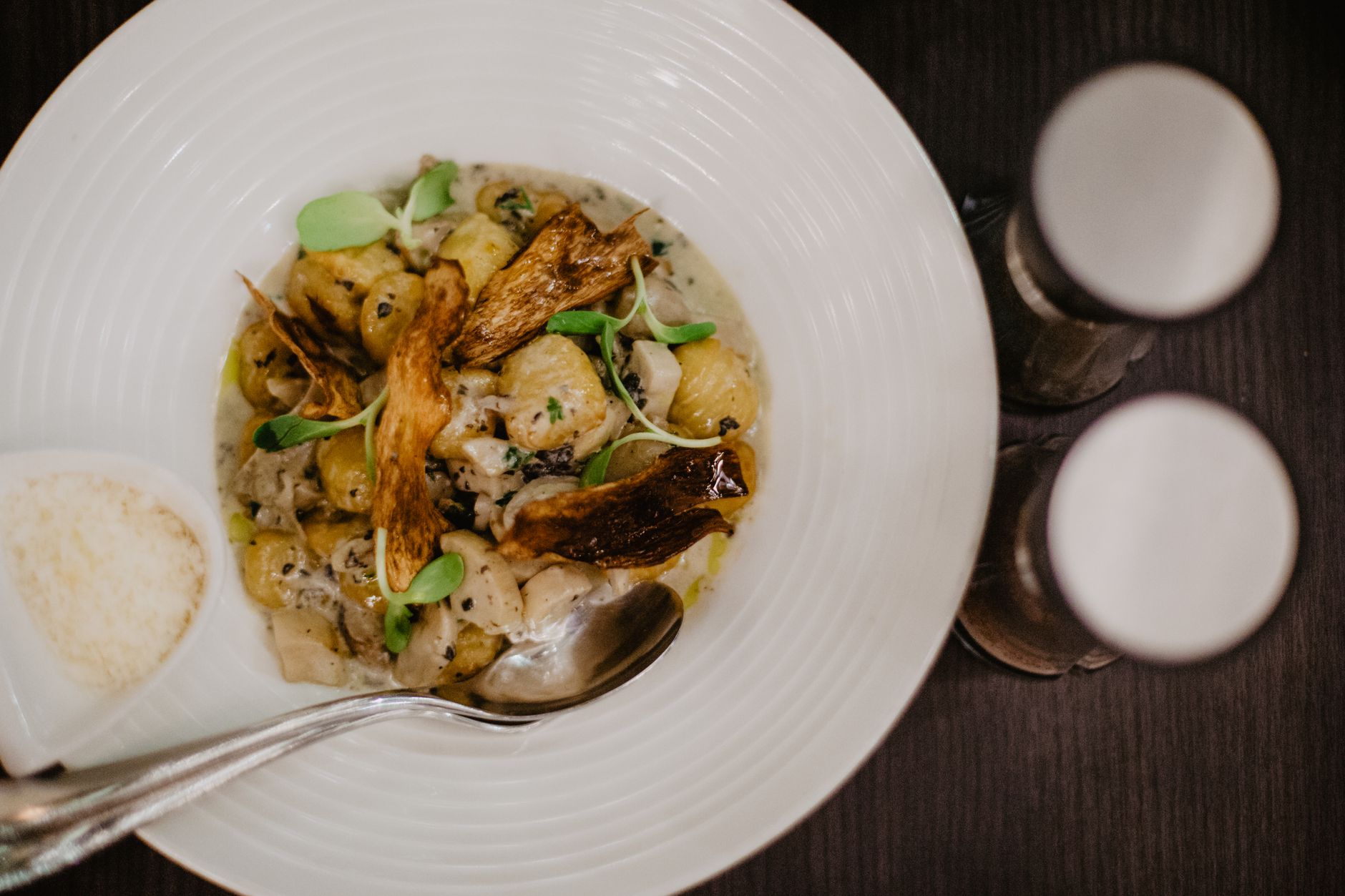
Gnocchi are small Italian dumplings that have become beloved around the world for their delightful texture and versatility in dishes. Traditionally made from potatoes, flour, and egg, these tender morsels can be enjoyed in various sauces or cooked in a myriad of ways, making them an excellent base for a multitude of flavors. Their unique preparation and culinary potential make them a great addition to any home chef’s repertoire.
This article will explore everything you need to know about gnocchi—from its ingredients and flavors to various serving suggestions and cooking techniques. Whether you plan to make them from scratch or incorporate them into your meals, understanding gnocchi will enhance your cooking experience.
What Is a Gnocchi?
Gnocchi are dumplings originating from Italy, typically made from a mixture of potatoes, flour, and egg. They possess a soft, pillowy texture, which allows them to absorb sauces beautifully. The taste of gnocchi is subtly rich due to the potatoes, providing a delightful base for a variety of toppings and sauces. Although potato gnocchi is the most common, you can also find variations made from ricotta cheese, semolina, or even pumpkin.
Ingredients in Gnocchi
To create gnocchi, the ingredients play a crucial role in determining the texture and flavor. Here’s a breakdown of the primary components:
- Potatoes: The base ingredient for traditional potato gnocchi. Russet potatoes are commonly used due to their high starch content, which yields a light and airy texture.
- Flour: All-purpose flour is the standard choice. You can also use specialized flours like gluten-free alternatives or semolina, depending on dietary preferences.
- Egg: Often included to bind the ingredients together and add richness to the dumplings. However, some variations omit the egg for a lighter texture.
- Salt: Used to enhance the flavor of the gnocchi and the water for boiling.
Optional Ingredients
Depending on the recipe and personal preference, here are some additional ingredients you can include:
- Parmesan cheese: Grated parmesan can be added to the dough for an extra layer of flavor.
- Nutmeg: A small amount of ground nutmeg can provide warmth and depth in potato gnocchi.
- Herbs: Fresh herbs like basil or parsley can be incorporated into the dough for added freshness.
The Flavor Profile of Gnocchi
The flavor of gnocchi is largely dependent on the ingredients used. Potato gnocchi has a mild, slightly earthy taste, while ricotta gnocchi offers a creamier, richer flavor. Their neutral taste allows them to pair well with a variety of sauces, ranging from simple butter and sage to hearty meat sauces or fresh tomato sauces.
The texture of gnocchi is distinctive and significant. Well-made gnocchi should be soft and pillowy on the inside, yet firm enough to hold their shape during cooking. The surface is typically ridged or smooth, allowing sauces to cling more effectively and provide a satisfying mouthfeel.
How to Serve Gnocchi
Gnocchi can be served in various ways, making them an adaptable ingredient for different occasions. Here are some popular serving suggestions:
1. With Sauces
One of the most popular ways to serve gnocchi is with sauces. Here are some sauces that work well:
- Brown Butter and Sage: Melt unsalted butter until it turns golden, then add fresh sage leaves for a fragrant, simple sauce.
- Marinara Sauce: A classic tomato sauce can provide a tangy contrast to the richness of the gnocchi.
- Pesto: A vibrant basil pesto adds a punch of flavor and color.
- Cheese Sauce: A rich cheese sauce transforms gnocchi into a decadent dish.
2. Baked Dishes
Gnocchi can also shine in baked dishes. They can be mixed with a sauce, topped with cheese, and baked until golden and bubbly. This method offers a wonderful texture contrast between the tender dumplings and the crispy top layer.
3. Sautéed Gnocchi
Another delicious option is to sauté cooked gnocchi. In this technique, gnocchi are pan-fried in oil or butter until they develop a crispy exterior while remaining soft inside. This method adds a delightful textural contrast and is perfect for serving with vegetables or protein.
4. Gnocchi Salad
For a lighter meal, consider using gnocchi in a salad. Toss them with roasted vegetables, fresh greens, and a light vinaigrette for a refreshing dish.
Essential Equipment for Making Gnocchi
Making gnocchi at home requires some basic kitchen equipment. Here is what you should gather before starting:
- Pot: A large pot for boiling the gnocchi.
- Mixing Bowl: A mixing bowl for combining ingredients.
- Fork or Potato Masher: To mash the potatoes until smooth.
- Pastry Board or Clean Countertop: A flat surface for kneading the dough.
- Knife: To cut the dough into pieces.
- Fork: An optional tool for creating ridges in the gnocchi.
How to Make Gnocchi: A Step-by-Step Guide
Here’s a straightforward method for preparing traditional potato gnocchi:
Ingredients
- 2 pounds (900g) Russet potatoes
- 1 to 1.5 cups (125-190g) all-purpose flour
- 1 large egg (optional)
- Salt, to taste
Preparation Time
- Preparation: 30 minutes
- Cooking: 10 minutes
- Total: 40 minutes
Method
- Start by boiling the potatoes. Place whole, unpeeled potatoes in a large pot of salted water and bring to a boil. Cook until fork-tender, approximately 30-40 minutes.
- Once cooked, drain and allow the potatoes to cool slightly, then peel while still warm. Use a potato masher or fork to mash them until smooth.
- On a clean surface or in a mixing bowl, spread the mashed potatoes and create a small well in the center. Add 1 cup of flour, the egg (if using), and a pinch of salt to the well.
- Begin to mix the ingredients gently, incorporating the flour into the potatoes. Add more flour as needed until you form a soft, slightly sticky dough. Avoid overworking the dough to keep the gnocchi light.
- Divide the dough into smaller sections and roll each section into a long rope, about 1/2 inch (1.3 cm) thick.
- Cut the rope into small pieces, around 1-inch (2.5 cm) each.
- Optional: Use the back of a fork to create ridges by pressing down on each piece of gnocchi, rolling it slightly. This helps sauces cling better.
- Bring a large pot of salted water to a gentle boil. Carefully drop the gnocchi into the boiling water, ensuring not to overcrowd the pot. Once they rise to the surface (about 2-3 minutes), they are done.
- Use a slotted spoon to remove the gnocchi and transfer them to a serving dish.
Common Mistakes and Troubleshooting When Making Gnocchi
Making gnocchi can be tricky, and several common mistakes may arise during the process. Here are some issues and their solutions:
- Gnocchi falling apart while cooking: This often occurs if the dough is too wet. Ensure you add enough flour and avoid over-mixing.
- Gnocchi being too dense: Overworking the dough can lead to dense dumplings. Mix just until the ingredients are combined.
- Gnocchi not holding sauce: Ensure you are ridging them with a fork or keep the sauce thick, which will help it cling better.
Storage and Reheating of Gnocchi
If you aren’t serving all the gnocchi immediately, you can store them or use them later. Proper storage and reheating can maintain their texture:
Storage
- Raw Gnocchi: Arrange them on a baking sheet lined with parchment paper in a single layer, then freeze for about an hour. Once frozen, transfer them to an airtight container or freezer bag and store in the freezer for up to 2-3 months.
- Cooked Gnocchi: Store cooked gnocchi in an airtight container in the refrigerator for up to 3 days.
Reheating
- To reheat cooked gnocchi, you can sauté them in a pan with a little olive oil or butter until heated through.
- Alternatively, reheat them in boiling water for a minute before serving.
Creative Variations of Gnocchi
While potato gnocchi is the most traditional, there are several creative variations worth exploring:
1. Ricotta Gnocchi
Made with ricotta cheese instead of potatoes, these gnocchi are lighter and have a creamy texture.
2. Sweet Potato Gnocchi
Using sweet potatoes adds a subtle sweetness and a vibrant color. The preparation method remains quite similar to traditional gnocchi.
3. Spinach or Beet Gnocchi
Incorporating pureed spinach or beets into the dough creates colorful and nutritious variations.
4. Semolina Gnocchi
Made primarily from semolina flour and water, this variation is denser and has a slightly different texture.
Conclusion
Gnocchi is a versatile and delicious dish that can enhance any meal with its delightful taste and texture. Understanding the key ingredients, preparation methods, and various serving options will allow you to become proficient in gnocchi-making. As you experiment with different recipes and sauces, you will discover the endless possibilities this humble dumpling offers.
For further culinary inspiration, consider exploring our gluten-free gnocchi recipe or try your hand at home-made orecchiette pasta. Enjoy your cooking journey!