
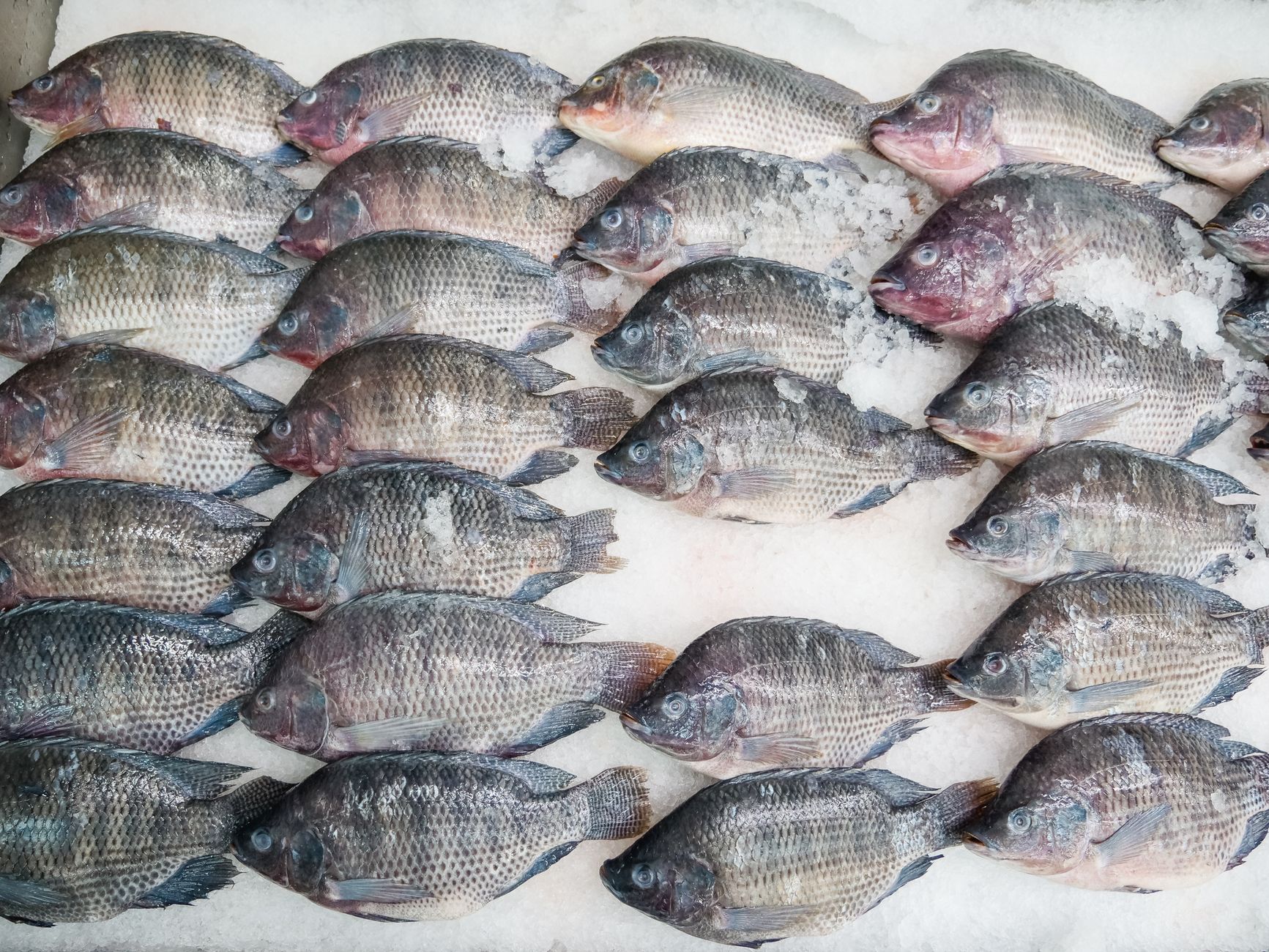
A fishmonger is a specialized retailer who sells fish and seafood products, ensuring both quality and freshness. Each fishmonger provides valuable insights about different species, preparation techniques, and the best ways to store and cook seafood.
This article explores the role of fishmongers, the ingredients they offer, tips for selecting the best seafood, and how to incorporate various fish types into your culinary repertoire.
What Is a Fish Monger?
A fishmonger is an expert in the trade of fish and seafood, typically operating out of a market or seafood store. They handle various aspects of fish handling, preparation, storage, and cooking techniques.
Fishmongers not only sell fresh fish but also guide customers on how to choose, clean, and prepare seafood. Their expertise is invaluable for anyone looking to incorporate more aquatic protein into their diet.
The Role of a Fish Monger
The role of a fishmonger extends beyond just selling fish. Here are some key responsibilities:
- Quality Control: Fishmongers are skilled in assessing the freshness and quality of various seafood products. They examine factors like appearance, smell, and texture.
- Customer Education: They provide customers with information on different fish species, including their taste, texture, and the best cooking methods.
- Preparation: Many fishmongers offer services like cleaning, filleting, and portioning fish to meet customer needs.
- Seasonal Guidance: Fishmongers keep track of seasonal seafood availability and may educate customers on sustainable seafood choices.
- Storage Advice: They often advise customers on the best storage techniques to maintain freshness at home.
Common Types of Seafood Sold by Fishmongers
Fishmongers sell a variety of seafood products, including but not limited to:
- Whole Fish: Options may include salmon, trout, snapper, and bass, among others.
- Fillets and Steaks: These are often pre-cut and ready for cooking, featuring types like cod, halibut, and tuna.
- Shelled Seafood: Shrimp, crab, and lobster are commonly offered, either live or prepped for cooking.
- Smoked or Canned Fish: Fishmongers may also stock products like smoked salmon or canned sardines.
Taste and Texture of Various Fish Types
Understanding the taste and texture of different fish can help you select the right type for your dishes. Here’s a quick guide:
1. Salmon
Salmon has a rich, buttery flavor that is slightly oily. Its texture is firm yet flaky when cooked. This popular fish works well in grilling, baking, or pan-searing scenarios.
2. Cod
Cod is mild and flaky with a slightly sweet undertone, making it ideal for those new to seafood. It is versatile and can be baked, fried, or used in chowders.
3. Tuna
Tuna has a meaty, steak-like quality. It can be eaten raw in sushi or lightly seared. Its flavor is distinct and often enjoyed in salads or as a steak.
4. Haddock
Haddock is similar to cod but has a slightly stronger flavor and a delicate flaky texture. It’s commonly used in fish and chips or baked dishes.
5. Sole
Sole is known for its mild taste and delicate texture. This fish is often prepared by poaching or sautéing to preserve its subtle flavors.
Culinary Uses of Fish
Fish can be an extraordinary base for various dishes. Here are some common culinary uses for different types of fish:
1. Baking
Baking is a simple and healthy option that preserves moisture while infusing flavors. Whole fish can be stuffed with herbs and lemon before baking, while fillets can be seasoned and baked to ensure tenderness.
2. Grilling
Grilling imparts a smoky flavor to fish and can create delightful char marks. Fish steaks such as salmon and tuna are particularly well-suited for grilling.
3. Sautéing
Sautéing fish in a hot pan with a small amount of oil enhances the flavors and creates a crispy exterior. Techniques like pan-searing are excellent for fillets.
4. Poaching
Poaching involves simmering fish in water or broth, preserving moisture while gently cooking the fish. This method works beautifully for delicate fish like trout or sole.
5. Curing and Smoking
Cured fish, such as gravlax, or smoked fish, brings additional layers of flavor. These methods can transform common fish into gourmet appetizers or spreads.
Selecting Fresh Fish from a Fish Monger
1. Appearance
The skin of fresh fish should be shiny and metallic, with no blemishes or discoloration. The eyes should be clear and bulging, not cloudy.
2. Smell
Fresh fish should have a clean, briny smell, reminiscent of the sea, and should not smell overly “fishy.”
3. Texture
Press the flesh lightly; it should be firm and spring back instantly, indicating freshness.
4. Gills
If purchasing whole fish, examine the gills. They should be bright red or pink, not dull or brown.
Practical Tips When Buying from a Fish Monger
Here are some practical tips for making your fish shopping experience more enjoyable and fruitful:
1. Ask Questions
Don’t hesitate to ask the fishmonger about the source of the fish, whether it’s wild-caught or farmed, and how long it’s been in the store.
2. Check Availability
Different fish are available at different times of the year. Asking your fishmonger about seasonal fish can help you find the freshest options.
3. Consider Sustainable Options
Look for sustainable seafood practices and brands that focus on eco-friendly sourcing. Your fishmonger may have insights on what’s currently considered sustainable.
4. Explore Locally Sourced Seafood
Support local fishermen by asking about freshly caught seafood from local waters. This often means fresher fish that haven’t traveled far.
How to Store Fish and Seafood at Home
Proper storage ensures that your seafood remains fresh for as long as possible. Here are some guidelines:
1. Refrigeration
Store fish in the coldest part of your refrigerator. Ideally, use ice in a bowl and place the fish on top, covering it with plastic wrap.
2. Freezing
If you don’t plan to cook the fish within a day or two, freezing is a good option. Wrap fish tightly in plastic wrap, then place it in a freezer bag to limit exposure to air.
3. Shelf Life
Most fresh fish should be cooked or frozen within a couple of days. Shellfish like shrimp or scallops have similar guidelines—use them quickly for the best quality.
Common Mistakes When Preparing Fish
A few common mistakes can undermine the quality of your seafood dish:
1. Overcooking
Fish typically cooks quickly. Overcooking can make it dry and tough. Use a food thermometer; most fish should reach an internal temperature of 145°F (63°C).
2. Not Removing the Skin
When skinning fish, be careful to remove as much flesh as possible without wasting any meat. A sharp knife is essential for this task.
3. Ignoring Marinades
Marinating fish can enhance its flavor, but if left too long, it can begin to break down the proteins, resulting in mushy flesh. A short marination of 20-30 minutes is often sufficient.
4. Not Letting Fish Rest
Allow cooked fish to rest for a few minutes before serving. This helps retain moisture and results in a more flavorful dish.
Cooking Fish: Popular Techniques Explained
Different cooking approaches yield different textures and flavors. Here’s a quick overview of popular techniques:
1. Grilling
Grilling seafood offers a superb smoky flavor. Remember to oil the grill grates to prevent sticking, and cook fish with the skin side down first.
2. Sautéing
Sautéing requires a hot pan and little oil. Season the fish well before cooking to achieve a flavorful crust. Cook until golden on one side, then flip carefully.
3. Baking
Baking in the oven is straightforward and healthy. Adding a layer of vegetables or a drizzle of lemon juice enhances flavor while baking.
4. Poaching
Use water, broth, or wine for poaching fish to introduce flavors gently. This method is excellent for delicate fish that need precise cooking.
Conclusion
Understanding the role, qualities, and culinary options of fishmongers enriches your cooking experience and allows you to select and prepare seafood confidently. Incorporating fresh seafood into your diet opens up delightful flavors and textures, offering endless culinary delights.
For more information on seafood quality, be sure to check how to tell if salmon is bad and learn about the unique flavors of herring.